
YOUR TRAVEL DOCENT
Travel deeper into Hong Kong, through its human stories.
At each place,
- Drama and backstory
- History & ideas behind them
- Insight that’s only yours
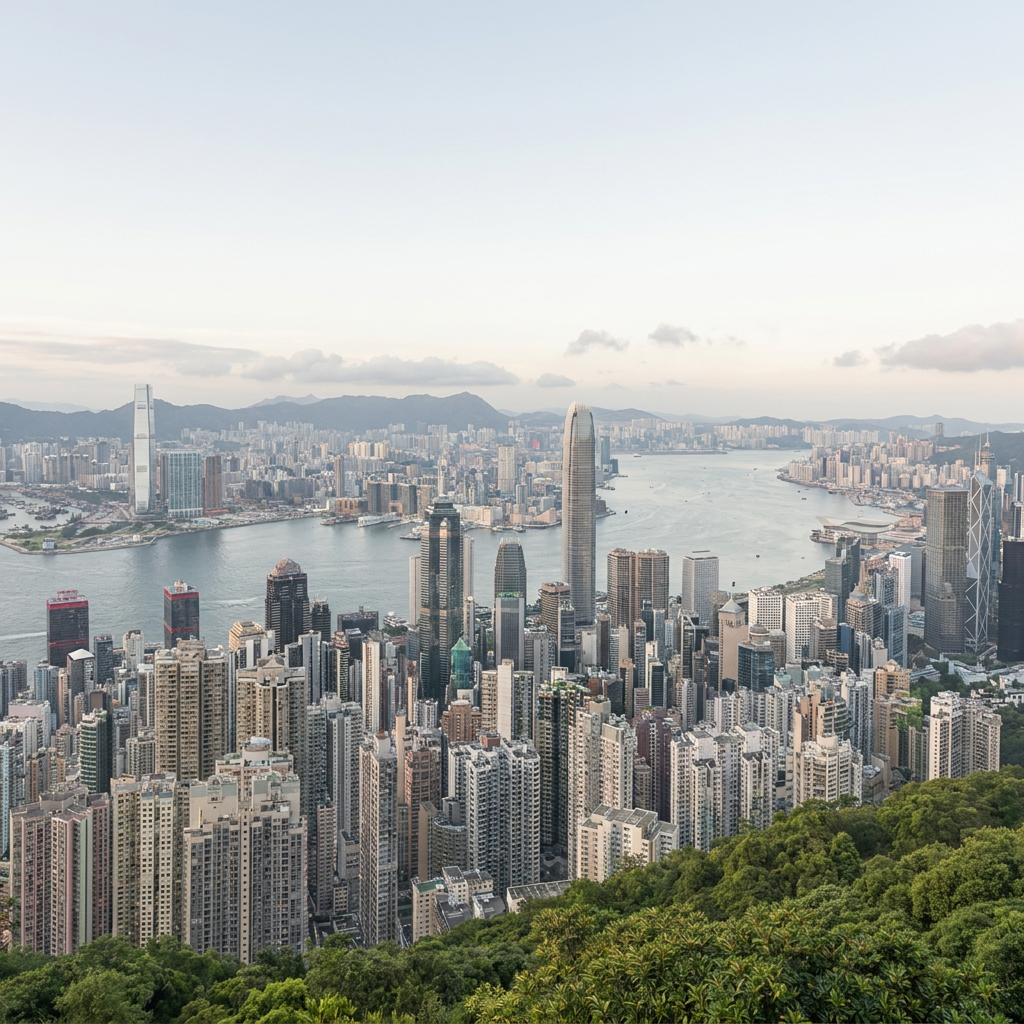
Victoria Peak
- Chinese barred from living uphill
- A millionaire beats the ban
In this story, you’ll discover
Chapter 1
Carried Up the Hill
Down in the city, it is hot and humid for much of the year. In the early years of the British colony, Europeans who could afford it began to move uphill, where the air was cooler and the views were wide. In the late 1860s, the governor built himself a summer house near the summit. Getting there was the hard part. The slope was steep, and residents were carried up in sedan chairs, a seat slung between poles and resting on the shoulders of Chinese bearers. That limited how many people could live on the Peak at all. Then a businessman proposed a railway straight up the slope. The Peak Tram opened in 1888, and it still climbs the same steep line today. For about forty years, the front two seats were kept for the governor, marked with a small bronze plate. Anyone else could sit there only in the last two minutes before the tram left. Even with the tram running, the chair bearers did not disappear. They waited at the top to carry passengers on from the tram to the houses.

A reflection for you
Under the Peak's residency law, Chinese servants could live in their employers' homes. Chinese families needed special permission to make homes of their own there. They could be needed without being accepted as neighbours. Is there a group where you feel wanted for what you do, but not for who you are?

 1×1×
BEHIND EVERY PLACE
The people the plaques leave out.
A plaque gives you a date and a name. Here, you get the person, and the ideas that shaped Hong Kong come with the story.
Victoria Peak
- Chinese barred from living uphill
- A millionaire beats the ban
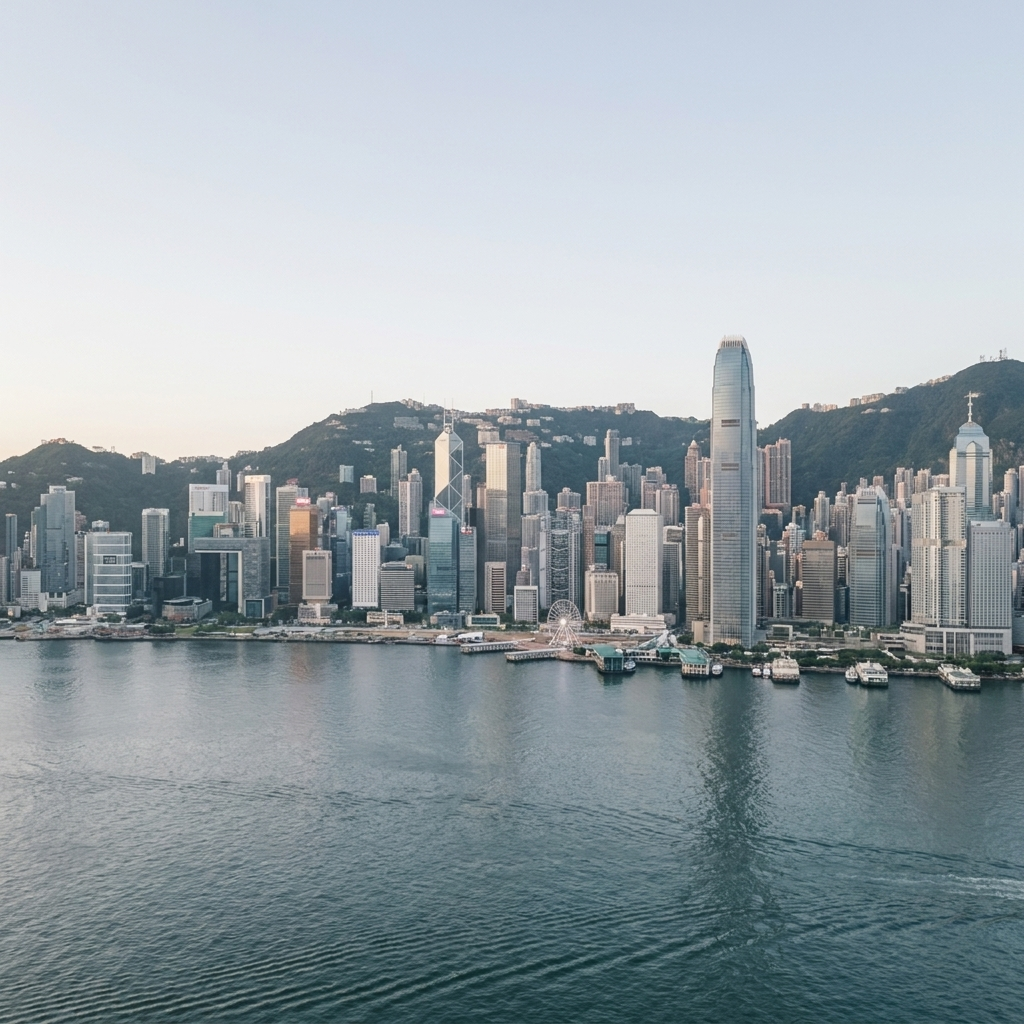
Victoria Harbour
- A baker ferries his bread
- A lawyer defends the harbour
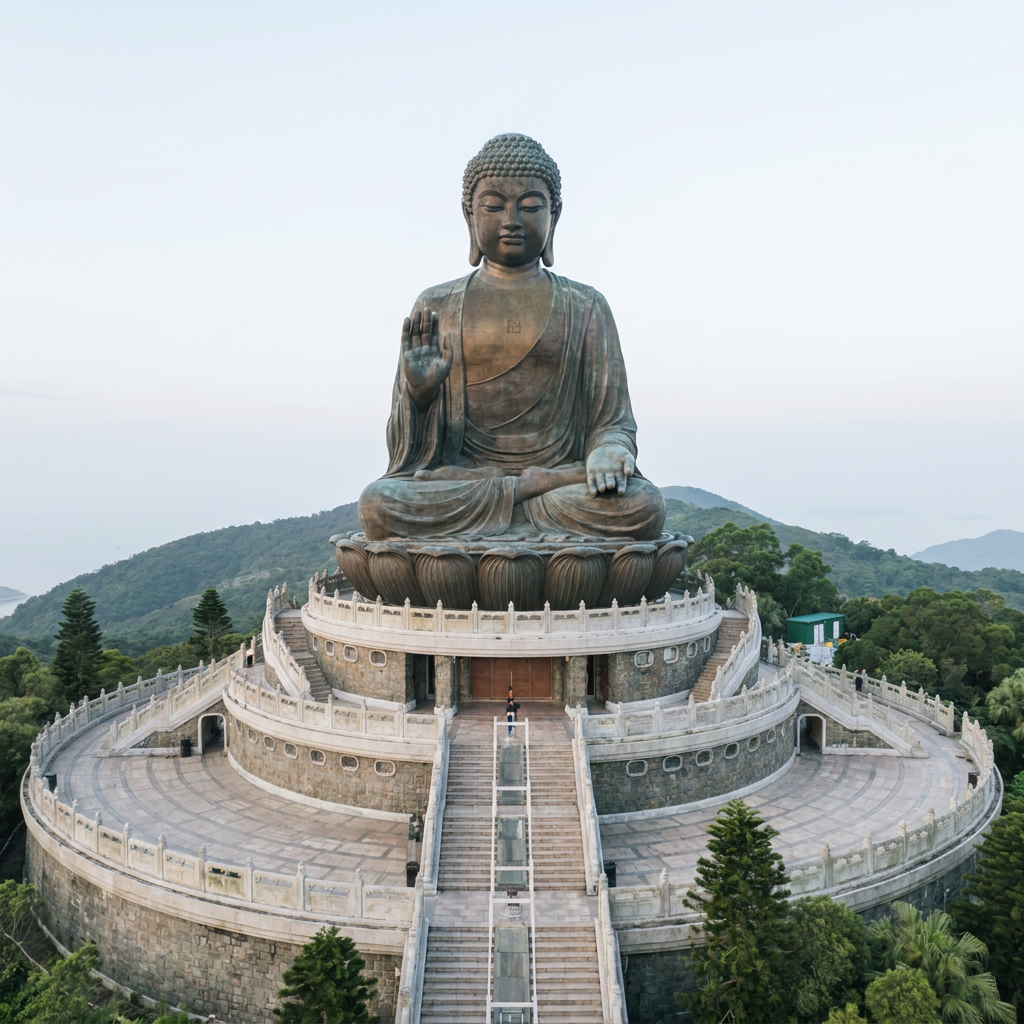
Tian Tan Buddha
- Monks want a great Buddha
- Space engineers cast the Buddha
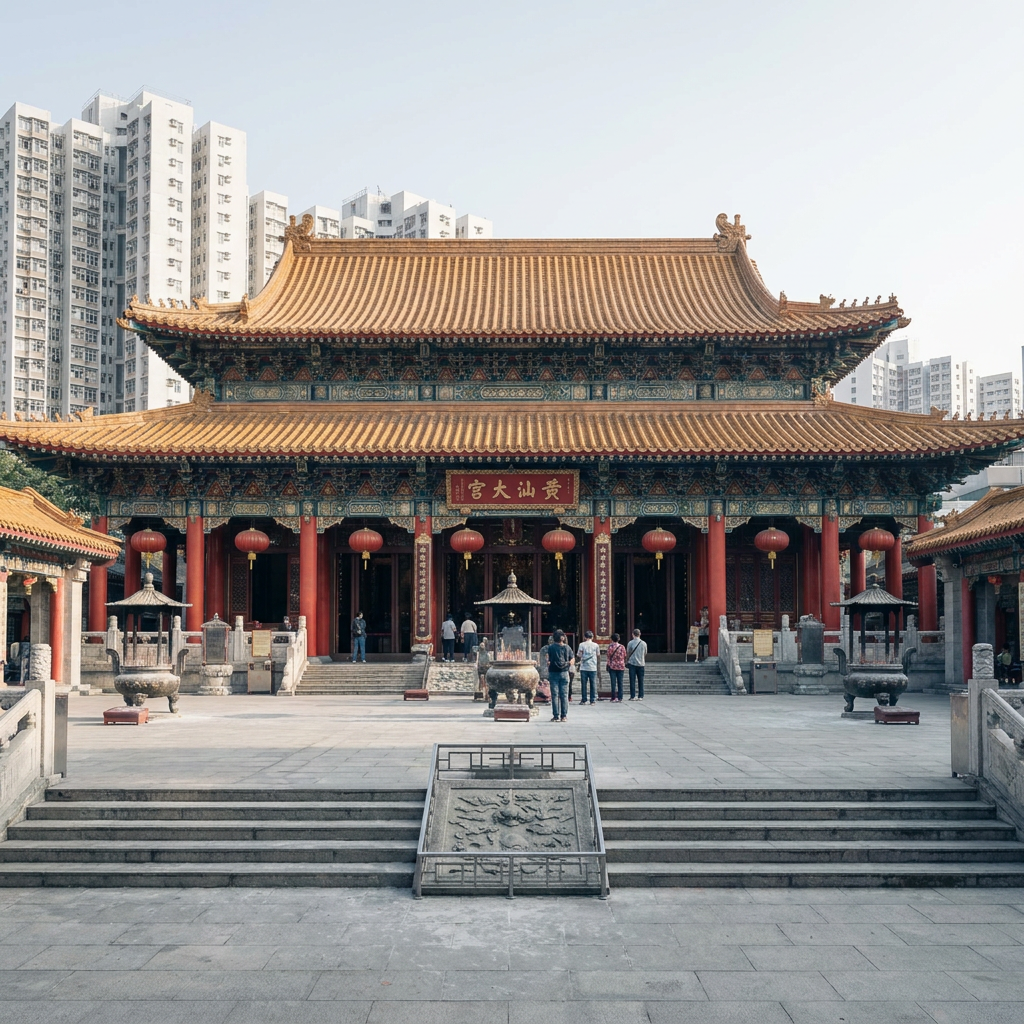
Wong Tai Sin Temple
- Ten cents opens the gates
- Worshippers shake sticks for answers
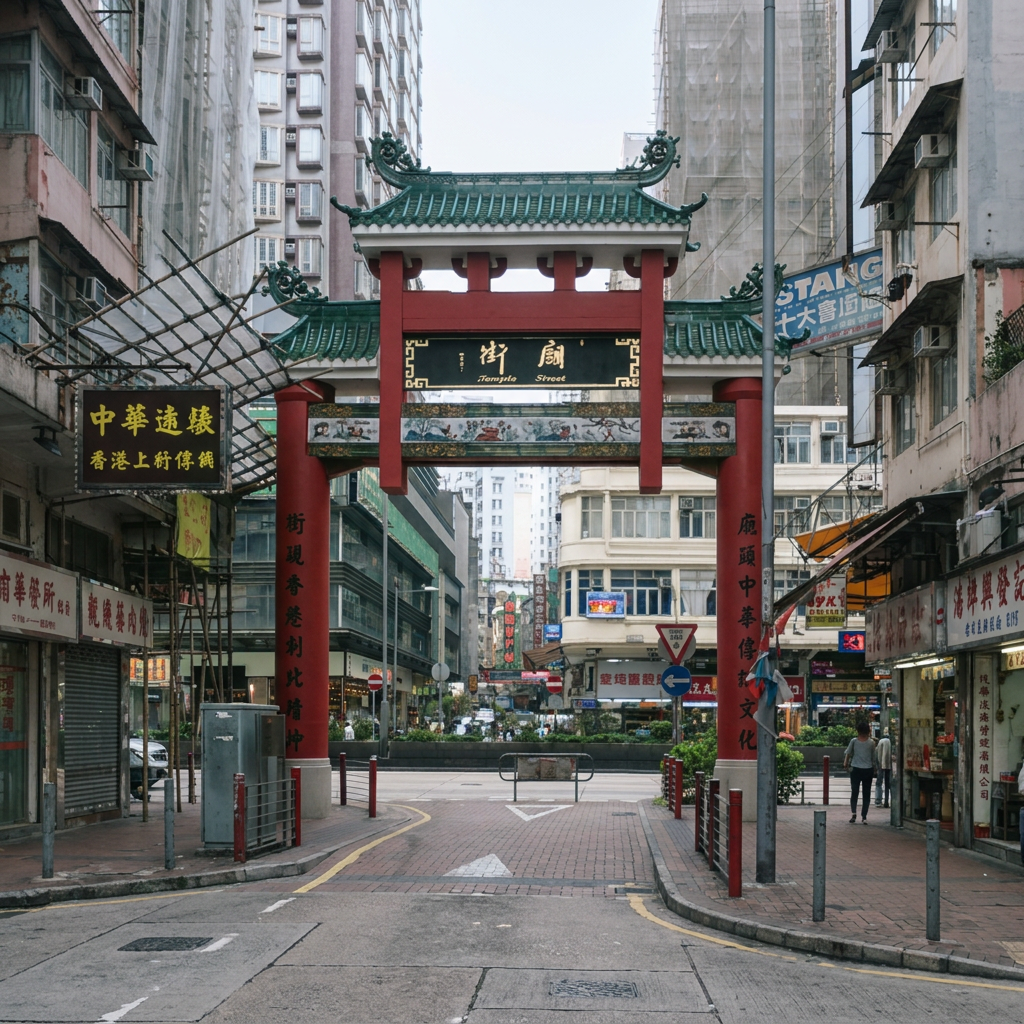
Temple Street Night Market
- Workers' nights under the banyans
- Local leaders allot hawkers' pitches
22 more places in Hong Kong
Tai O · Man Mo Temple · Chi Lin Nunnery · Repulse Bay · Yick Cheong Building · Ten Thousand Buddhas Monastery · Central-Mid-Levels Escalators · Kowloon Walled City Park · Hong Kong Park · Cheung Chau · Mong Kok · Stanley · Statue Square · Tai Kwun (Heritage and Arts Centre) · Hollywood Road · Blue House · Victoria Park · Golden Bauhinia Square · Hong Kong Museum of History · M+ Museum · Hong Kong Maritime Museum · Choi Hung Estate
HOW IT WORKS
Walk near a place.
The story finds you.
Get a notification when you’re near a story place. Tap to listen.
Victoria Peak
nowJust steps away.
Tap to hear the drama.

INSIDE EACH PLACE
From drama,
to idea,
to insight.
For example: the Victoria Peak.
1. Hear the drama behind the place.
Victoria Peak
- Chinese barred from living uphill
- A millionaire beats the ban
In this story, you’ll discover
Chapter 1
Carried Up the Hill
Down in the city, it is hot and humid for much of the year. In the early years of the British colony, Europeans who could afford it began to move uphill, where the air was cooler and the views were wide. In the late 1860s, the governor built himself a summer house near the summit. Getting there was the hard part. The slope was steep, and residents were carried up in sedan chairs, a seat slung between poles and resting on the shoulders of Chinese bearers. That limited how many people could live on the Peak at all. Then a businessman proposed a railway straight up the slope. The Peak Tram opened in 1888, and it still climbs the same steep line today. For about forty years, the front two seats were kept for the governor, marked with a small bronze plate. Anyone else could sit there only in the last two minutes before the tram left. Even with the tram running, the chair bearers did not disappear. They waited at the top to carry passengers on from the tram to the houses.
A reflection for you
Under the Peak's residency law, Chinese servants could live in their employers' homes. Chinese families needed special permission to make homes of their own there. They could be needed without being accepted as neighbours. Is there a group where you feel wanted for what you do, but not for who you are?
1×2. Learn the ideas inside the story.
Victoria Peak
- Chinese barred from living uphill
- A millionaire beats the ban
In this story, you’ll discover
Chapter 1
Carried Up the Hill
Down in the city, it is hot and humid for much of the year. In the early years of the British colony, Europeans who could afford it began to move uphill, where the air was cooler and the views were wide. In the late 1860s, the governor built himself a summer house near the summit. Getting there was the hard part. The slope was steep, and residents were carried up in sedan chairs, a seat slung between poles and resting on the shoulders of Chinese bearers. That limited how many people could live on the Peak at all. Then a businessman proposed a railway straight up the slope. The Peak Tram opened in 1888, and it still climbs the same steep line today. For about forty years, the front two seats were kept for the governor, marked with a small bronze plate. Anyone else could sit there only in the last two minutes before the tram left. Even with the tram running, the chair bearers did not disappear. They waited at the top to carry passengers on from the tram to the houses.
A reflection for you
Under the Peak's residency law, Chinese servants could live in their employers' homes. Chinese families needed special permission to make homes of their own there. They could be needed without being accepted as neighbours. Is there a group where you feel wanted for what you do, but not for who you are?
1×3. Keep an insight that’s only yours.
Victoria Peak
- Chinese barred from living uphill
- A millionaire beats the ban
In this story, you’ll discover
Chapter 1
Carried Up the Hill
Down in the city, it is hot and humid for much of the year. In the early years of the British colony, Europeans who could afford it began to move uphill, where the air was cooler and the views were wide. In the late 1860s, the governor built himself a summer house near the summit. Getting there was the hard part. The slope was steep, and residents were carried up in sedan chairs, a seat slung between poles and resting on the shoulders of Chinese bearers. That limited how many people could live on the Peak at all. Then a businessman proposed a railway straight up the slope. The Peak Tram opened in 1888, and it still climbs the same steep line today. For about forty years, the front two seats were kept for the governor, marked with a small bronze plate. Anyone else could sit there only in the last two minutes before the tram left. Even with the tram running, the chair bearers did not disappear. They waited at the top to carry passengers on from the tram to the houses.
A reflection for you
Under the Peak's residency law, Chinese servants could live in their employers' homes. Chinese families needed special permission to make homes of their own there. They could be needed without being accepted as neighbours. Is there a group where you feel wanted for what you do, but not for who you are?
1×BEFORE YOU GO
FAQ
An audio guide gives you the facts: dates, names, what it was built for. Odys‑say tells you the drama: the people behind the place, what they wanted, and what it cost them. The ideas behind the city come with the story, and it ends with an insight that’s only yours.
The story first: who was here, what they were up against, and what they chose. Then, inside that story, one or two ideas that help you understand the city more deeply, from history and politics to art, religion, and philosophy.
Explore the city as you normally would. When you’re near one of Odys‑say’s story places, your phone can let you know. Tap the notification, and the story is ready to hear right where you are.
The drama stays the same. What changes is what comes at the end. Based on what you chose to reflect on, Odys‑say connects something from the story to a question or insight that feels relevant to you.
Your first story is included. If you want to keep exploring, you can unlock the whole city for $9.99. It’s a one-time purchase, not a subscription.
A deeper way
to travel
Hong Kong
Human stories at every place,
and what they leave with you.
No subscription.
One-time city purchase.