
YOUR TRAVEL DOCENT
Travel deeper into Jodhpur, through its human stories.
At each place,
- Drama and backstory
- History & ideas behind them
- Insight that’s only yours
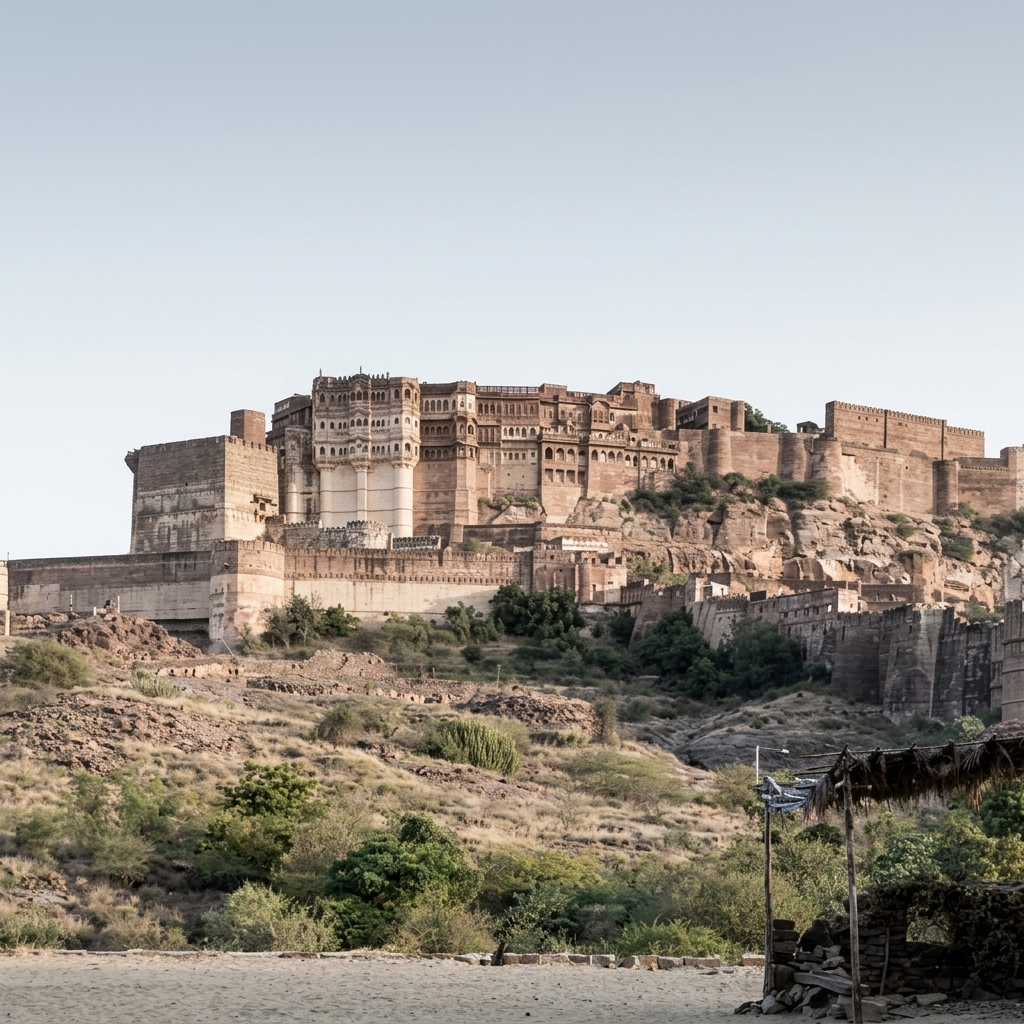
Mehrangarh Fort
- Immortal martyr of the walls
- A siege over a princess
In this story, you’ll discover
Chapter 1
A Hermit on the Mountain of Birds
The founder was Rao Jodha, and Jodhpur simply means Jodha's city. He had good reason to want a stronger fort. His family ruled from Mandore, about nine kilometres to the north. When he was a young man, his father was murdered at the court of the neighbouring kingdom of Mewar, and Mewar's army took Mandore. Jodha spent some fifteen years gathering men before he took it back. A few years later, in 1459, he began building here, on a higher, steeper rock that was far easier to defend. Across Rajasthan, kings built their strongholds the same way, on ridges and rocky hills where the steep rock itself was the first line of defence. Six of them were listed together by UNESCO in 2013 as the Hill Forts of Rajasthan, and Mehrangarh, though not on that list, was built on the same idea. The ridge was known as the mountain of birds, and a hermit called Cheeria Nathji, the lord of birds, lived on it. The story goes that Jodha asked him to leave, and he refused, again and again. Jodha turned for help to Karni Mata, a holy woman the Rathores revered as a goddess, and only then did the hermit agree to go. As he left, he laid a curse on the place: may your fort never have enough water. His cave now lay inside the new walls, and to make peace with him, Jodha built a house and a temple in his honour right beside it. Believe the curse or not, Jodhpur sits at the edge of the Thar Desert, and droughts have always been common here.

A reflection for you
Legend says Rajaram agreed to be buried beneath Mehrangarh if the king would protect his family. His descendants still live on the land they were given. A promise between two men became a home for people neither would ever meet. Is there anything in your life that began with someone's care before you were even born?

 1×1×
BEHIND EVERY PLACE
The people the plaques leave out.
A plaque gives you a date and a name. Here, you get the person, and the ideas that shaped Jodhpur come with the story.
Mehrangarh Fort
- Immortal martyr of the walls
- A siege over a princess
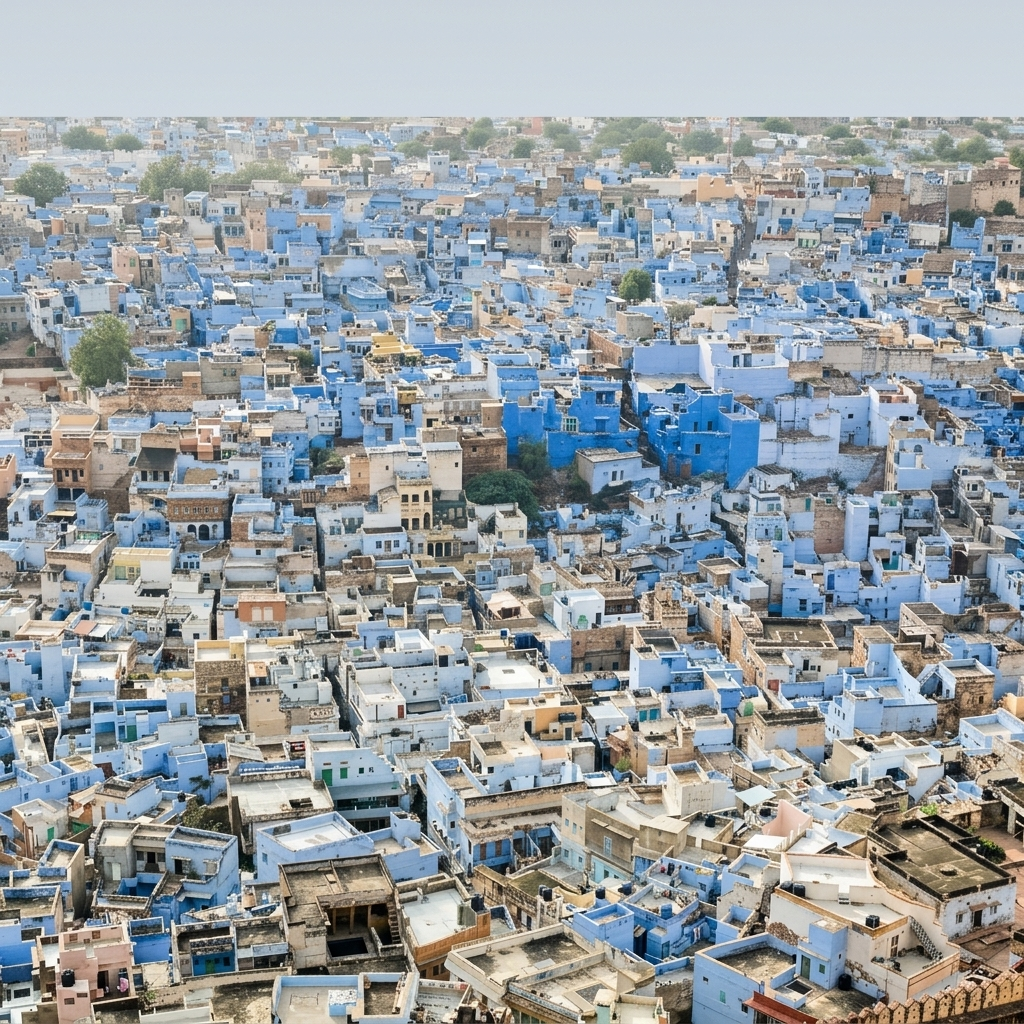
Blue City
- Families giving up the blue
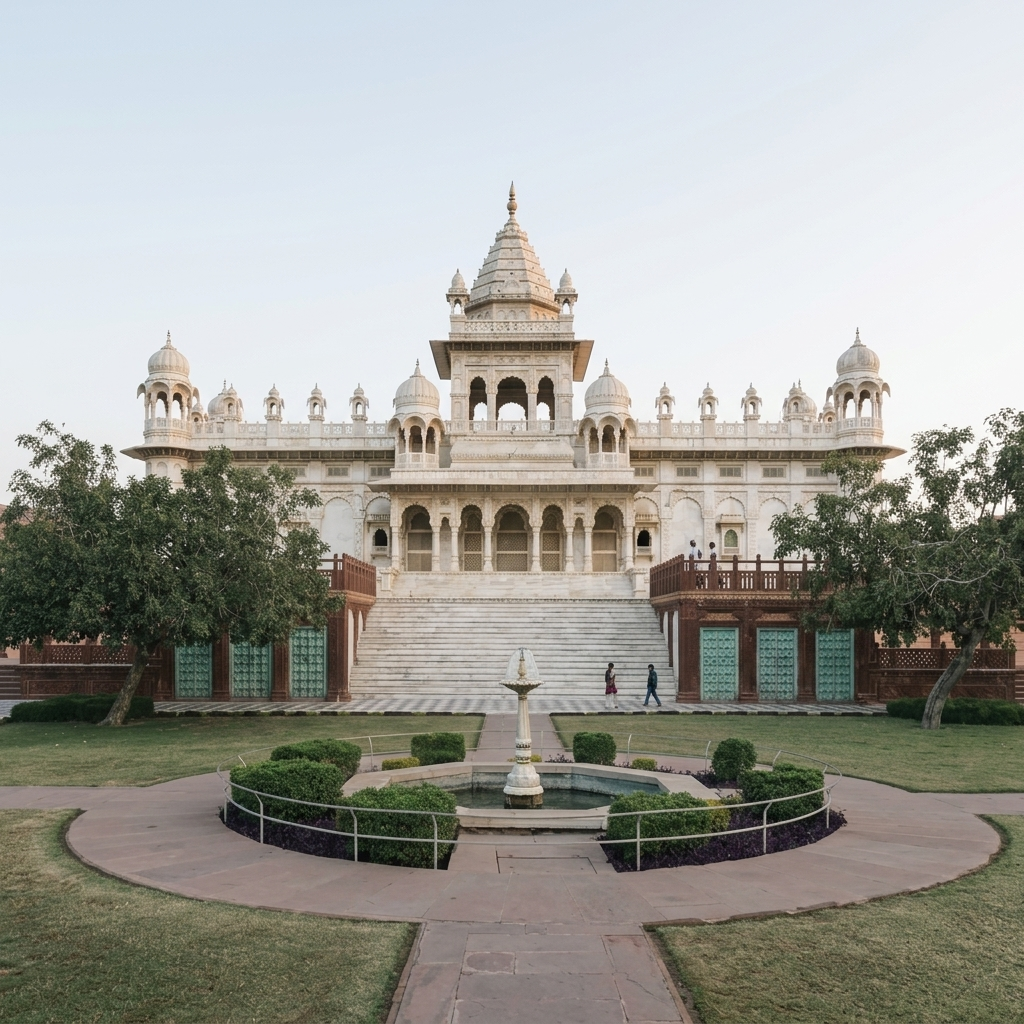
Jaswant Thada
- King's dancer, monk's rebuke
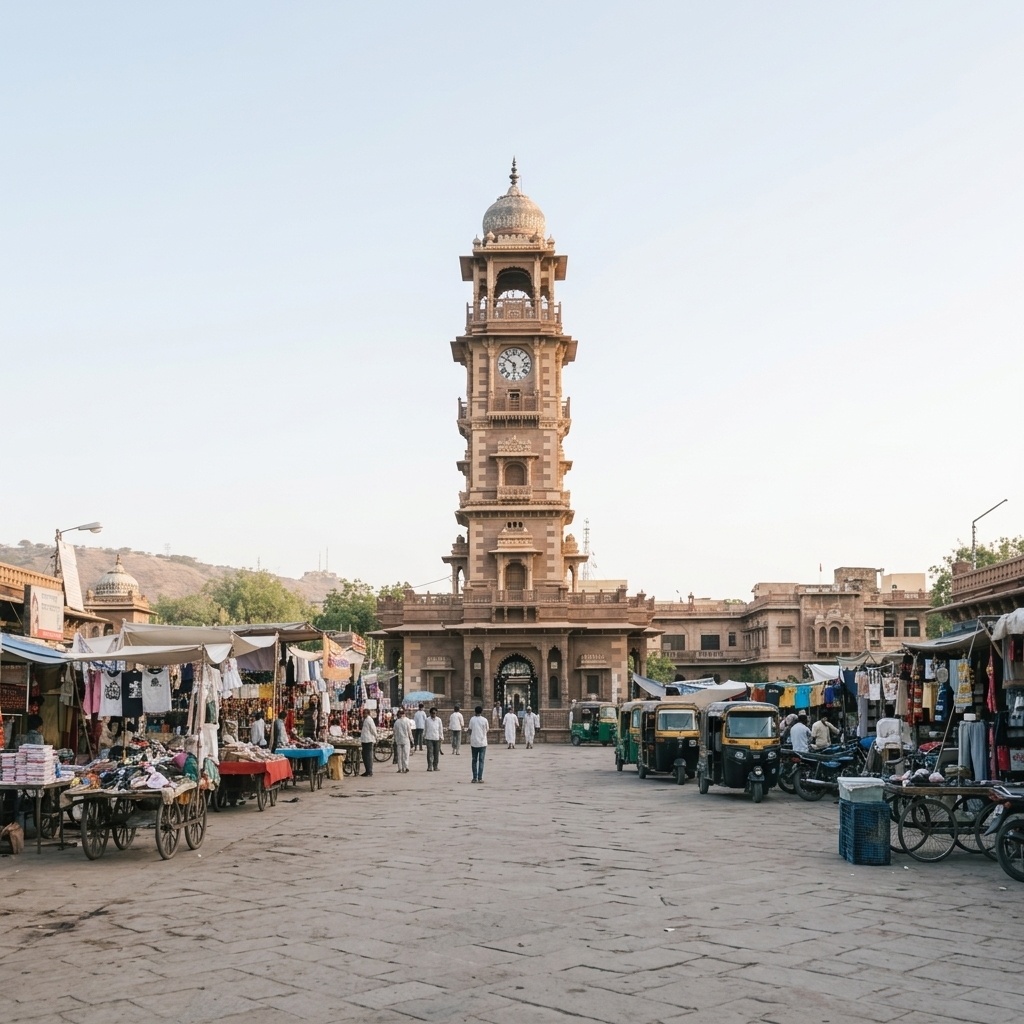
Ghanta Ghar (Clock Tower)
- An exiled king's clock
- Bankers turn on the Nawab
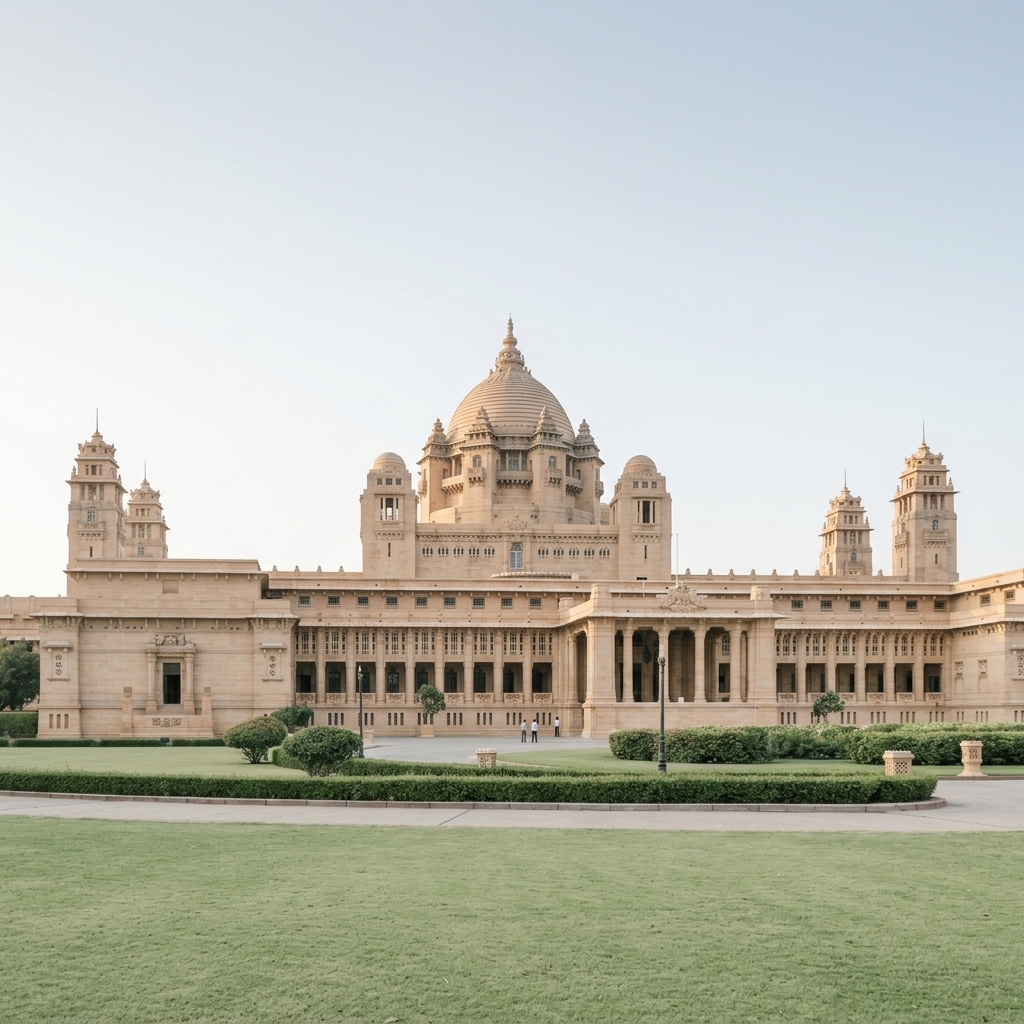
Umaid Bhawan Palace
- Famine workers build a palace
- A maharaja turns hotelier
6 more places in Jodhpur
Mandore Garden · Toorji Ka Jhalra · Rao Jodha Desert Rock Park · Mahamandir · Kaylana Lake · Mehrangarh Fort · Chamunda Mata Temple
HOW IT WORKS
Walk near a place.
The story finds you.
Get a notification when you’re near a story place. Tap to listen.
Mehrangarh Fort
nowJust steps away.
Tap to hear the drama.

INSIDE EACH PLACE
From drama,
to idea,
to insight.
For example: the Mehrangarh Fort.
1. Hear the drama behind the place.
Mehrangarh Fort
- Immortal martyr of the walls
- A siege over a princess
In this story, you’ll discover
Chapter 1
A Hermit on the Mountain of Birds
The founder was Rao Jodha, and Jodhpur simply means Jodha's city. He had good reason to want a stronger fort. His family ruled from Mandore, about nine kilometres to the north. When he was a young man, his father was murdered at the court of the neighbouring kingdom of Mewar, and Mewar's army took Mandore. Jodha spent some fifteen years gathering men before he took it back. A few years later, in 1459, he began building here, on a higher, steeper rock that was far easier to defend. Across Rajasthan, kings built their strongholds the same way, on ridges and rocky hills where the steep rock itself was the first line of defence. Six of them were listed together by UNESCO in 2013 as the Hill Forts of Rajasthan, and Mehrangarh, though not on that list, was built on the same idea. The ridge was known as the mountain of birds, and a hermit called Cheeria Nathji, the lord of birds, lived on it. The story goes that Jodha asked him to leave, and he refused, again and again. Jodha turned for help to Karni Mata, a holy woman the Rathores revered as a goddess, and only then did the hermit agree to go. As he left, he laid a curse on the place: may your fort never have enough water. His cave now lay inside the new walls, and to make peace with him, Jodha built a house and a temple in his honour right beside it. Believe the curse or not, Jodhpur sits at the edge of the Thar Desert, and droughts have always been common here.
A reflection for you
Legend says Rajaram agreed to be buried beneath Mehrangarh if the king would protect his family. His descendants still live on the land they were given. A promise between two men became a home for people neither would ever meet. Is there anything in your life that began with someone's care before you were even born?
1×2. Learn the ideas inside the story.
Mehrangarh Fort
- Immortal martyr of the walls
- A siege over a princess
In this story, you’ll discover
Chapter 1
A Hermit on the Mountain of Birds
The founder was Rao Jodha, and Jodhpur simply means Jodha's city. He had good reason to want a stronger fort. His family ruled from Mandore, about nine kilometres to the north. When he was a young man, his father was murdered at the court of the neighbouring kingdom of Mewar, and Mewar's army took Mandore. Jodha spent some fifteen years gathering men before he took it back. A few years later, in 1459, he began building here, on a higher, steeper rock that was far easier to defend. Across Rajasthan, kings built their strongholds the same way, on ridges and rocky hills where the steep rock itself was the first line of defence. Six of them were listed together by UNESCO in 2013 as the Hill Forts of Rajasthan, and Mehrangarh, though not on that list, was built on the same idea. The ridge was known as the mountain of birds, and a hermit called Cheeria Nathji, the lord of birds, lived on it. The story goes that Jodha asked him to leave, and he refused, again and again. Jodha turned for help to Karni Mata, a holy woman the Rathores revered as a goddess, and only then did the hermit agree to go. As he left, he laid a curse on the place: may your fort never have enough water. His cave now lay inside the new walls, and to make peace with him, Jodha built a house and a temple in his honour right beside it. Believe the curse or not, Jodhpur sits at the edge of the Thar Desert, and droughts have always been common here.
A reflection for you
Legend says Rajaram agreed to be buried beneath Mehrangarh if the king would protect his family. His descendants still live on the land they were given. A promise between two men became a home for people neither would ever meet. Is there anything in your life that began with someone's care before you were even born?
1×3. Keep an insight that’s only yours.
Mehrangarh Fort
- Immortal martyr of the walls
- A siege over a princess
In this story, you’ll discover
Chapter 1
A Hermit on the Mountain of Birds
The founder was Rao Jodha, and Jodhpur simply means Jodha's city. He had good reason to want a stronger fort. His family ruled from Mandore, about nine kilometres to the north. When he was a young man, his father was murdered at the court of the neighbouring kingdom of Mewar, and Mewar's army took Mandore. Jodha spent some fifteen years gathering men before he took it back. A few years later, in 1459, he began building here, on a higher, steeper rock that was far easier to defend. Across Rajasthan, kings built their strongholds the same way, on ridges and rocky hills where the steep rock itself was the first line of defence. Six of them were listed together by UNESCO in 2013 as the Hill Forts of Rajasthan, and Mehrangarh, though not on that list, was built on the same idea. The ridge was known as the mountain of birds, and a hermit called Cheeria Nathji, the lord of birds, lived on it. The story goes that Jodha asked him to leave, and he refused, again and again. Jodha turned for help to Karni Mata, a holy woman the Rathores revered as a goddess, and only then did the hermit agree to go. As he left, he laid a curse on the place: may your fort never have enough water. His cave now lay inside the new walls, and to make peace with him, Jodha built a house and a temple in his honour right beside it. Believe the curse or not, Jodhpur sits at the edge of the Thar Desert, and droughts have always been common here.
A reflection for you
Legend says Rajaram agreed to be buried beneath Mehrangarh if the king would protect his family. His descendants still live on the land they were given. A promise between two men became a home for people neither would ever meet. Is there anything in your life that began with someone's care before you were even born?
1×BEFORE YOU GO
FAQ
An audio guide gives you the facts: dates, names, what it was built for. Odys‑say tells you the drama: the people behind the place, what they wanted, and what it cost them. The ideas behind the city come with the story, and it ends with an insight that’s only yours.
The story first: who was here, what they were up against, and what they chose. Then, inside that story, one or two ideas that help you understand the city more deeply, from history and politics to art, religion, and philosophy.
Explore the city as you normally would. When you’re near one of Odys‑say’s story places, your phone can let you know. Tap the notification, and the story is ready to hear right where you are.
The drama stays the same. What changes is what comes at the end. Based on what you chose to reflect on, Odys‑say connects something from the story to a question or insight that feels relevant to you.
Your first story is included. If you want to keep exploring, you can unlock the whole city for $9.99. It’s a one-time purchase, not a subscription.
A deeper way
to travel
Jodhpur
Human stories at every place,
and what they leave with you.
No subscription.
One-time city purchase.