Odys-say

YOUR TRAVEL DOCENT

Travel deeper into Kyoto, through its human stories.

At each place,

  • Drama and backstory
  • History & ideas behind them
  • Insight that’s only yours
Get Odys‑say

BEHIND EVERY PLACE

The people the plaques leave out.

A plaque gives you a date and a name. Here, you get the person, and the ideas that shaped Kyoto come with the story.
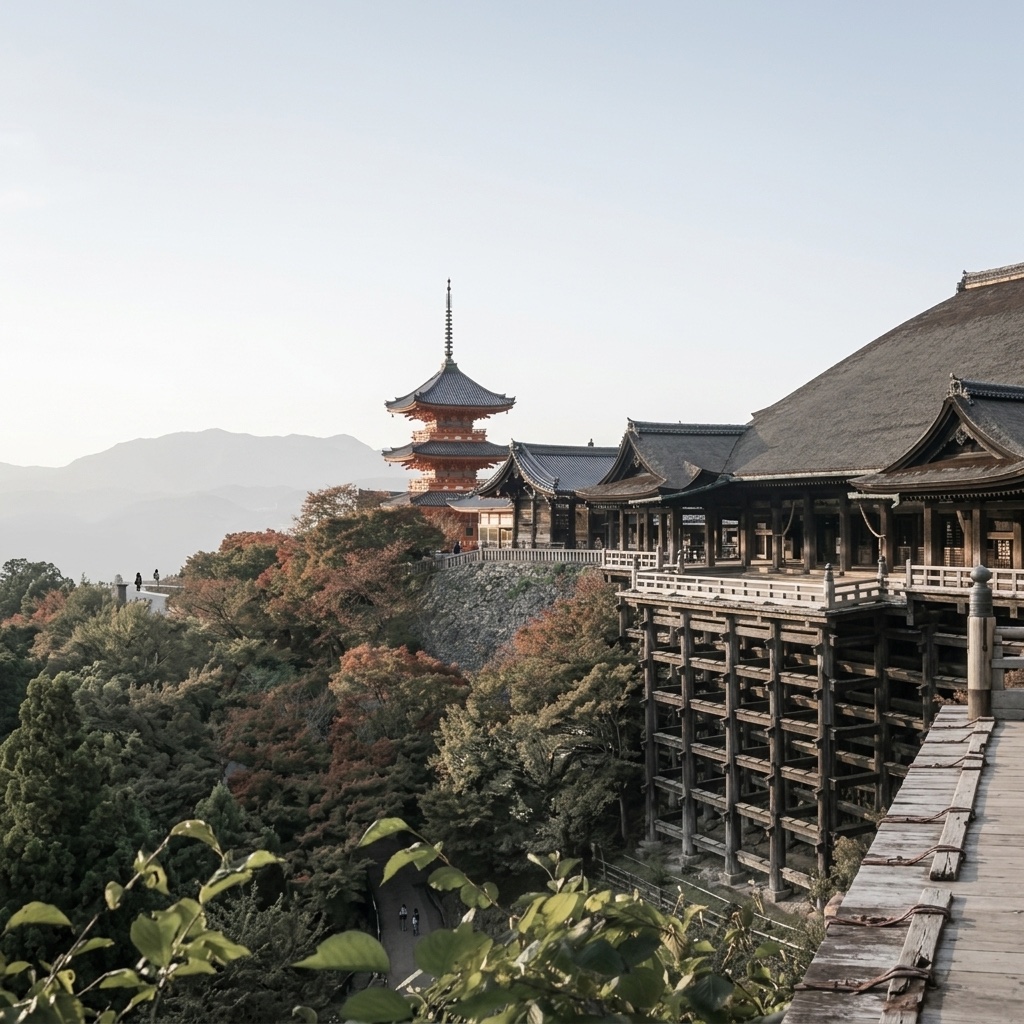
Kiyomizu-dera

Kiyomizu-dera

  • Children’s leaps for their parents
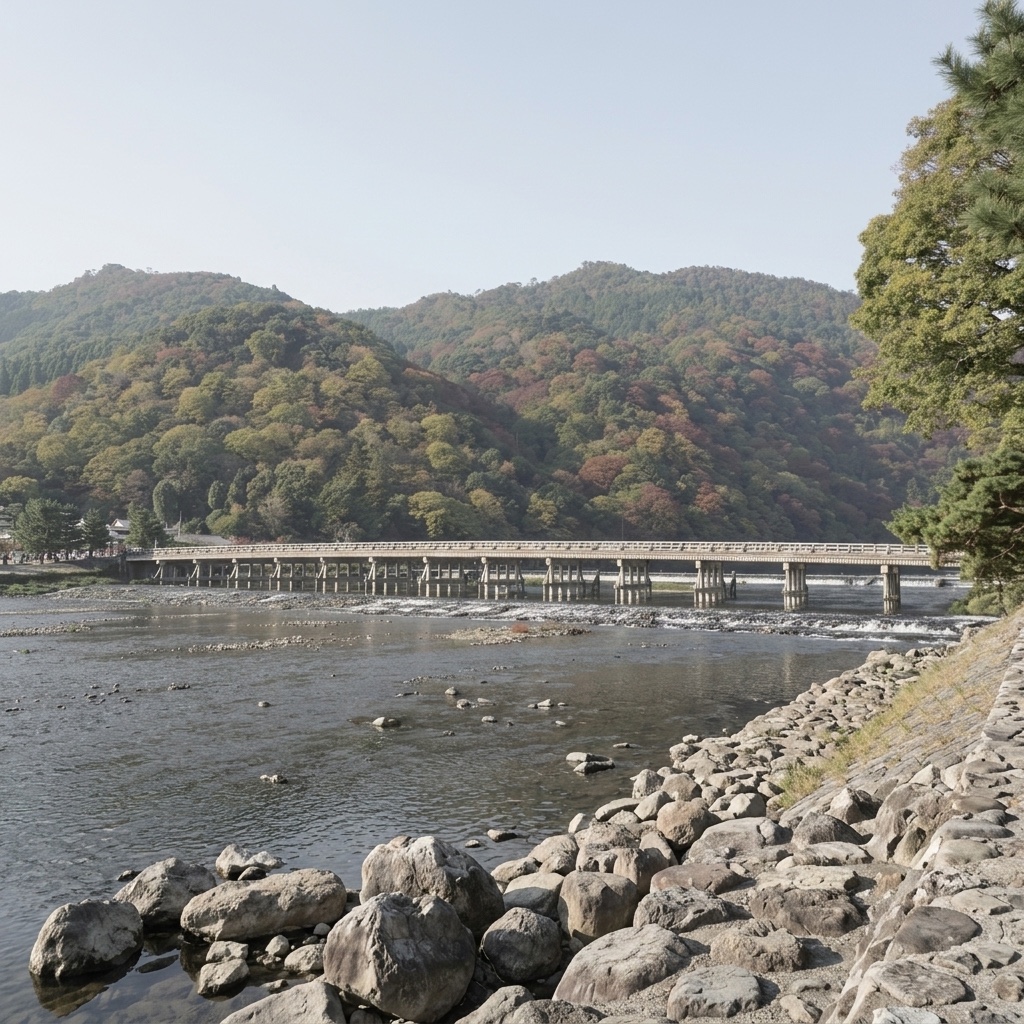
Togetsukyo Bridge

Togetsukyo Bridge

  • No looking back at thirteen
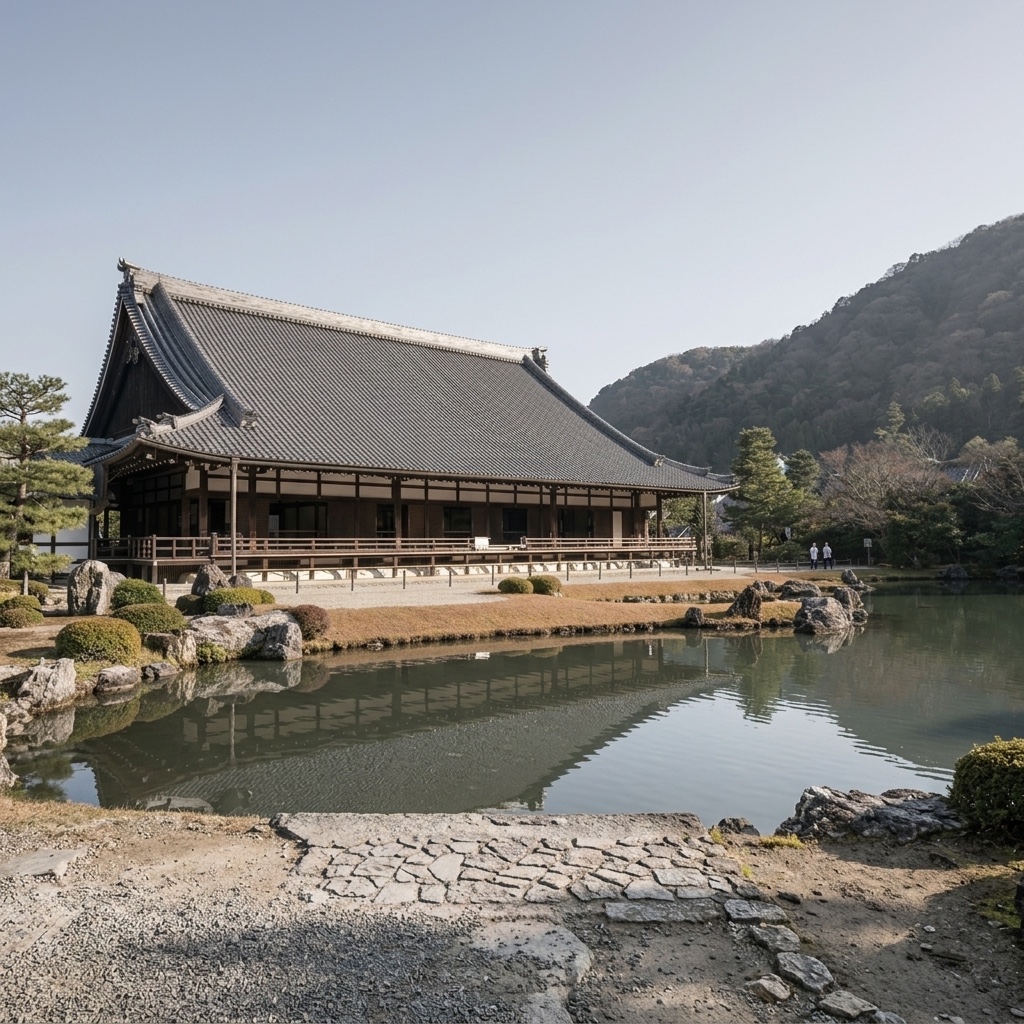
Tenryu-ji

Tenryu-ji

  • A shogun honors his rival
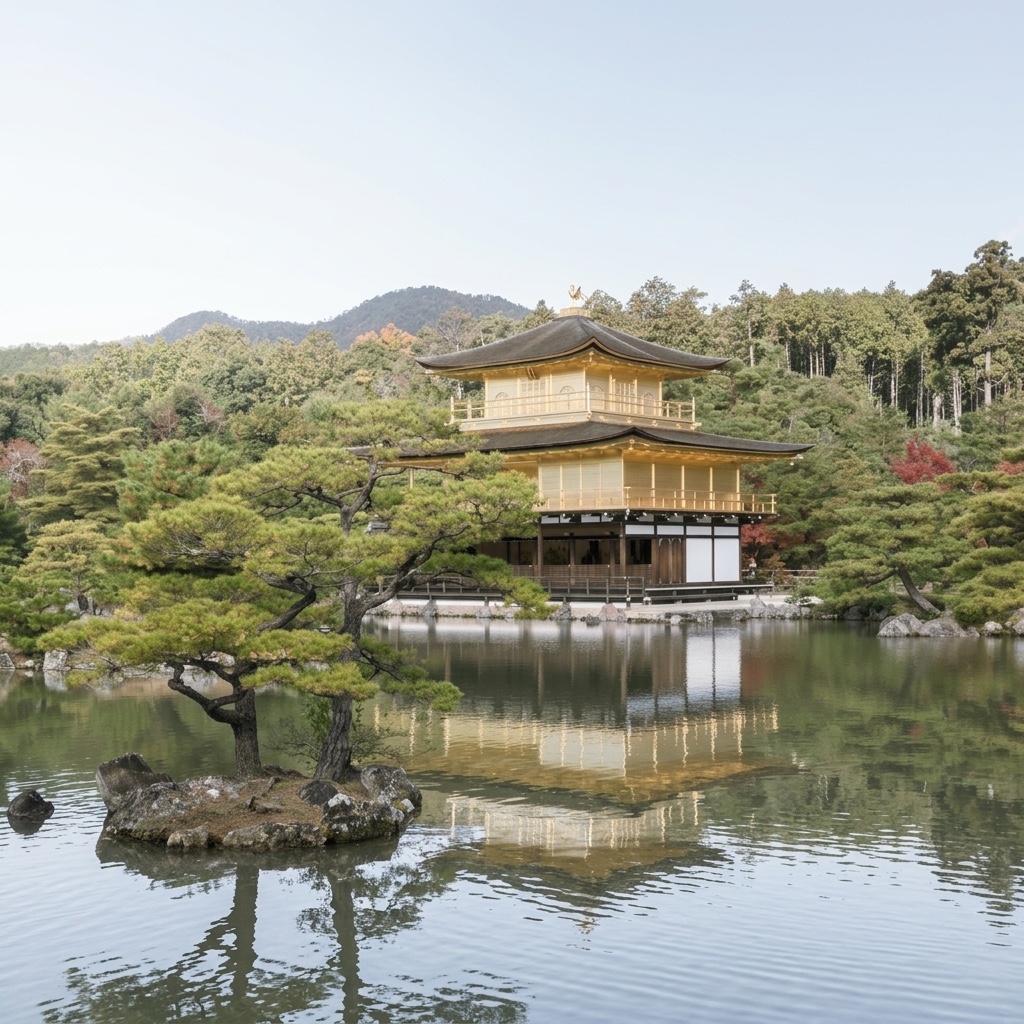
Kinkaku-ji (Golden Pavilion)

Kinkaku-ji (Golden Pavilion)

  • The shogun behind the gold
  • Five centuries lost to arson
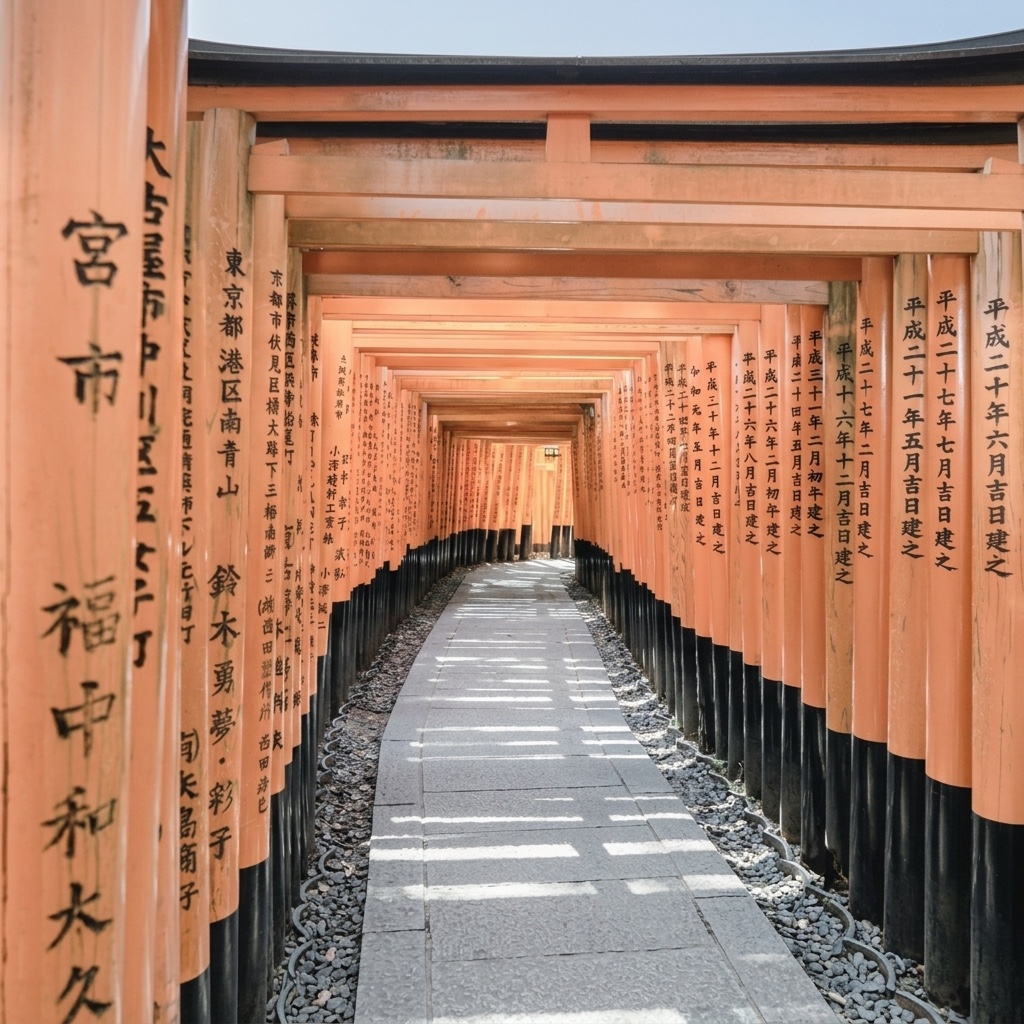
Fushimi Inari Taisha

Fushimi Inari Taisha

  • Thousands of wishes become gates

12 more places in Kyoto

Kamo River · Gion · Ginkaku-ji (Silver Pavilion) · Nanzen-ji · Nishiki Market · Nijo Castle · Ryoan-ji · Sanjusangen-do · Philosopher's Path · Keibunsha Ichijoji · To-ji · Pontocho

HOW IT WORKS

Walk near a place.
The story finds you.

Get a notification when you’re near a story place. Tap to listen.

Kiyomizu-dera

now

Just steps away.
Tap to hear the drama.

INSIDE EACH PLACE

From drama,
to idea,
to insight.

Togetsukyo Bridge

For example: the Togetsukyo Bridge.

1. Hear the drama behind the place.

Togetsukyo Bridge

Togetsukyo Bridge

  • No looking back at thirteen

In this story, you’ll discover

How Meisho Were Made

Chapter 1

The Night the Moon Crossed the Bridge

The name comes from a moon-viewing excursion by the retired Emperor Kameyama. On a clear night in the late thirteenth century, he watched from a boat as the full moon seemed to move above the bridge. He described it as a moon crossing the bridge. The phrase remained, and Togetsukyo became the name of the place.

A reflection for you

For centuries this was only the way across, built by a monk around 836. Then a retired emperor said the moon looked as if it were crossing the bridge, and that passing remark became its name. So what are you noticing tonight? Maybe the noticing is what lasts.

2. Learn the ideas inside the story.

Togetsukyo Bridge

Togetsukyo Bridge

  • No looking back at thirteen

In this story, you’ll discover

How Meisho Were Made

Chapter 1

The Night the Moon Crossed the Bridge

The name comes from a moon-viewing excursion by the retired Emperor Kameyama. On a clear night in the late thirteenth century, he watched from a boat as the full moon seemed to move above the bridge. He described it as a moon crossing the bridge. The phrase remained, and Togetsukyo became the name of the place.

A reflection for you

For centuries this was only the way across, built by a monk around 836. Then a retired emperor said the moon looked as if it were crossing the bridge, and that passing remark became its name. So what are you noticing tonight? Maybe the noticing is what lasts.

3. Keep an insight that’s only yours.

Togetsukyo Bridge

Togetsukyo Bridge

  • No looking back at thirteen

In this story, you’ll discover

How Meisho Were Made

Chapter 1

The Night the Moon Crossed the Bridge

The name comes from a moon-viewing excursion by the retired Emperor Kameyama. On a clear night in the late thirteenth century, he watched from a boat as the full moon seemed to move above the bridge. He described it as a moon crossing the bridge. The phrase remained, and Togetsukyo became the name of the place.

A reflection for you

For centuries this was only the way across, built by a monk around 836. Then a retired emperor said the moon looked as if it were crossing the bridge, and that passing remark became its name. So what are you noticing tonight? Maybe the noticing is what lasts.

BEFORE YOU GO

FAQ

An audio guide gives you the facts: dates, names, what it was built for. Odys‑say tells you the drama: the people behind the place, what they wanted, and what it cost them. The ideas behind the city come with the story, and it ends with an insight that’s only yours.

The story first: who was here, what they were up against, and what they chose. Then, inside that story, one or two ideas that help you understand the city more deeply, from history and politics to art, religion, and philosophy.

Explore the city as you normally would. When you’re near one of Odys‑say’s story places, your phone can let you know. Tap the notification, and the story is ready to hear right where you are.

The drama stays the same. What changes is what comes at the end. Based on what you chose to reflect on, Odys‑say connects something from the story to a question or insight that feels relevant to you.

Your first story is included. If you want to keep exploring, you can unlock the whole city for $9.99. It’s a one-time purchase, not a subscription.

A deeper way
to travel
Kyoto

Human stories at every place,
and what they leave with you.

Get Odys‑say

No subscription.
One-time city purchase.