
YOUR TRAVEL DOCENT
Travel deeper into London, through its human stories.
At each place,
- Drama and backstory
- History & ideas behind them
- Insight that’s only yours
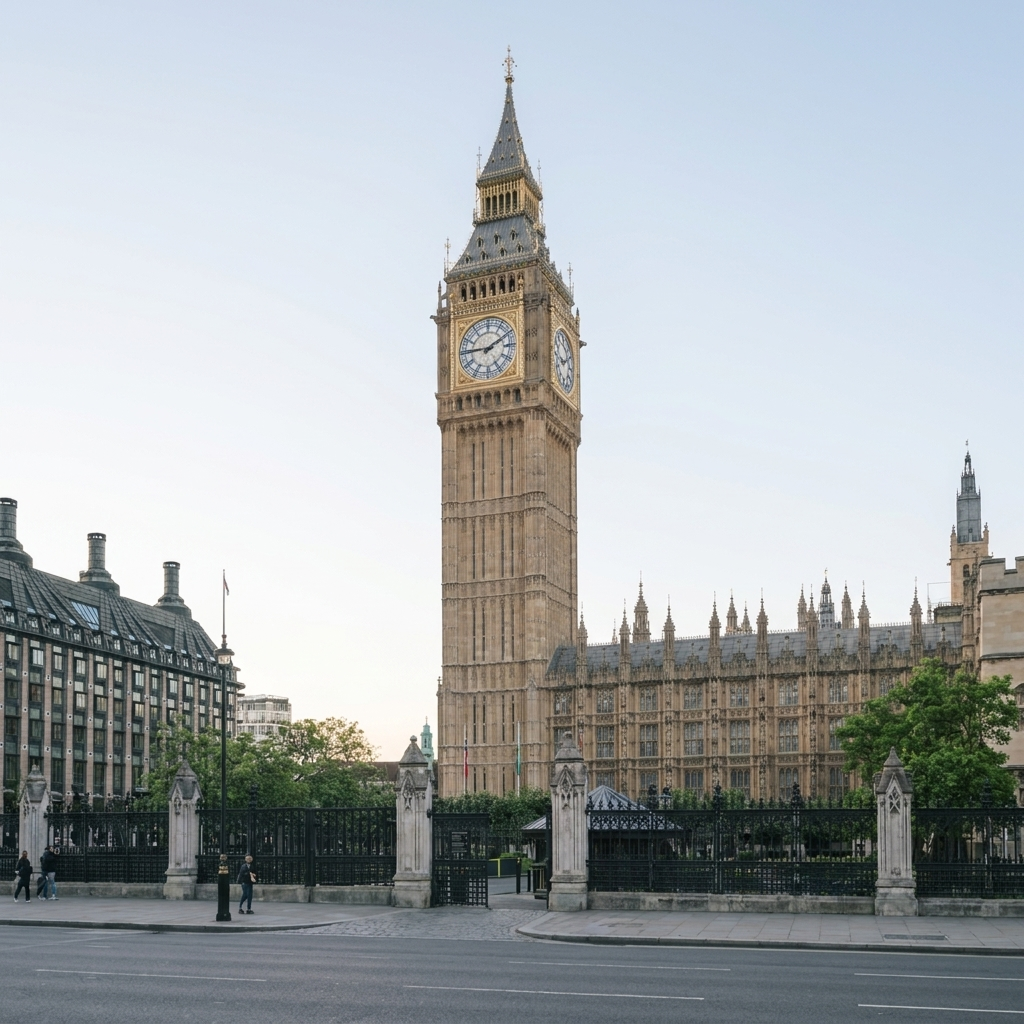
Big Ben
- Feuding over a cracked bell
- An architect's last design
In this story, you’ll discover
Chapter 1
A Tower in Medieval Dress
In 1834, a fire destroyed most of the old Palace of Westminster, where Parliament had met for centuries. Only a few medieval parts survived, among them the great Westminster Hall. When a competition was held for a new building, every entry had to be Gothic or Elizabethan in style, so that the new palace would fit in with the old hall and with Westminster Abbey across the road. Gothic is the style of Europe's medieval cathedrals, with pointed arches and tall windows and spires reaching up. In the nineteenth century, architects in Britain brought it back for new buildings, and that's what we call the Gothic Revival. For its most passionate champion, it was much more than a look. The architect Augustus Pugin believed Gothic was the true Christian way of building. In a book of drawings, he argued that building Gothic again could bring back something of the faith of the Middle Ages. Charles Barry won the competition, and Pugin worked beside him on the decoration. For the clock tower, Pugin took Barry's first design and made it taller. Into its stone he worked the rose, thistle, shamrock and leek, the national plants of England, Scotland, Ireland and Wales. When Barry visited Pugin's home by the sea, Pugin handed over the final design. "I never worked so hard in my life as for Mr Barry," Pugin wrote while finishing it. That same month he suffered a total breakdown. He was shut away in asylums, one of them the hospital Londoners called Bedlam, and he died later that year, aged forty. The tower was his last design, and he never saw it built.

A reflection for you
Pugin finished the tower's design in the month he suffered a breakdown. He died before seeing it built. We can admire what he made without knowing what making it was like for him. When you imagine a successful life, how much comes from the way it looks to others, and how much from what it feels like to live it?

 1×1×
BEHIND EVERY PLACE
The people the plaques leave out.
A plaque gives you a date and a name. Here, you get the person, and the ideas that shaped London come with the story.
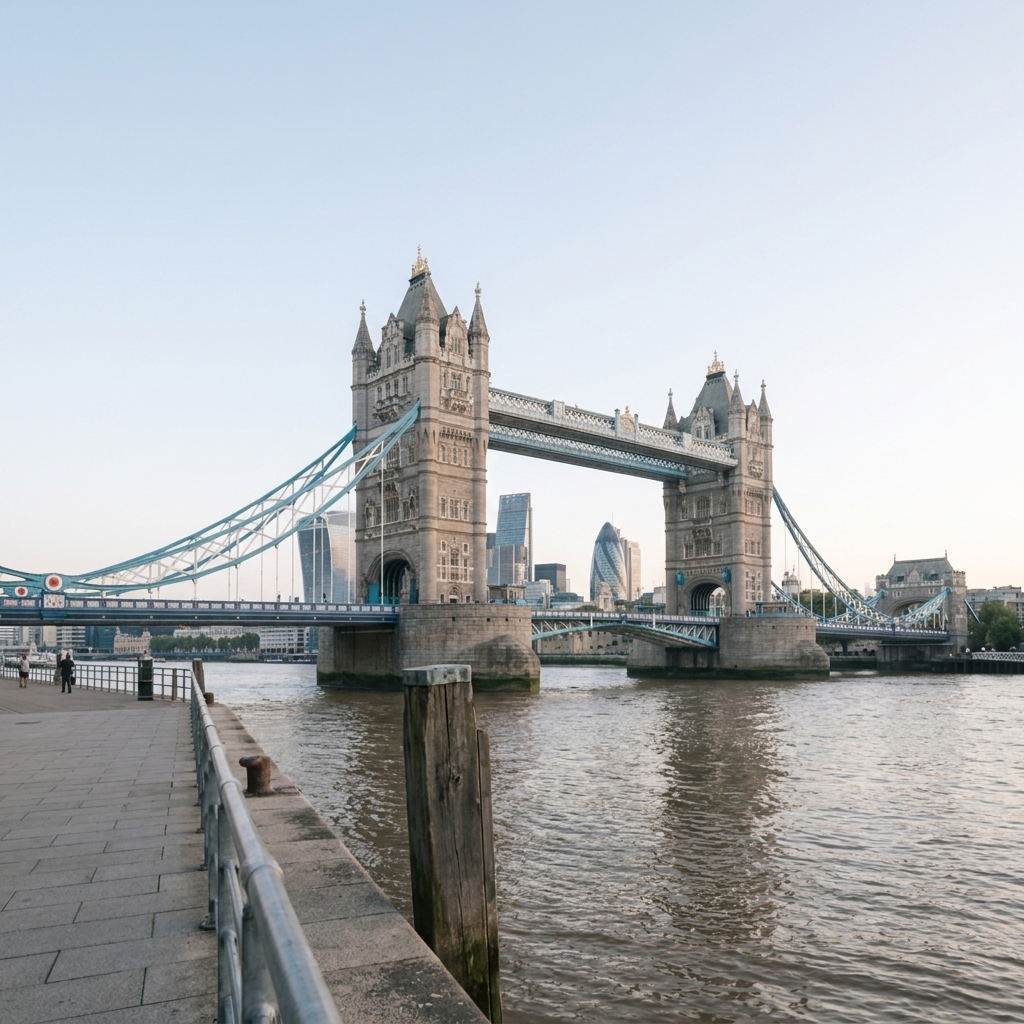
Tower Bridge
- A bus jumps the opening bridge
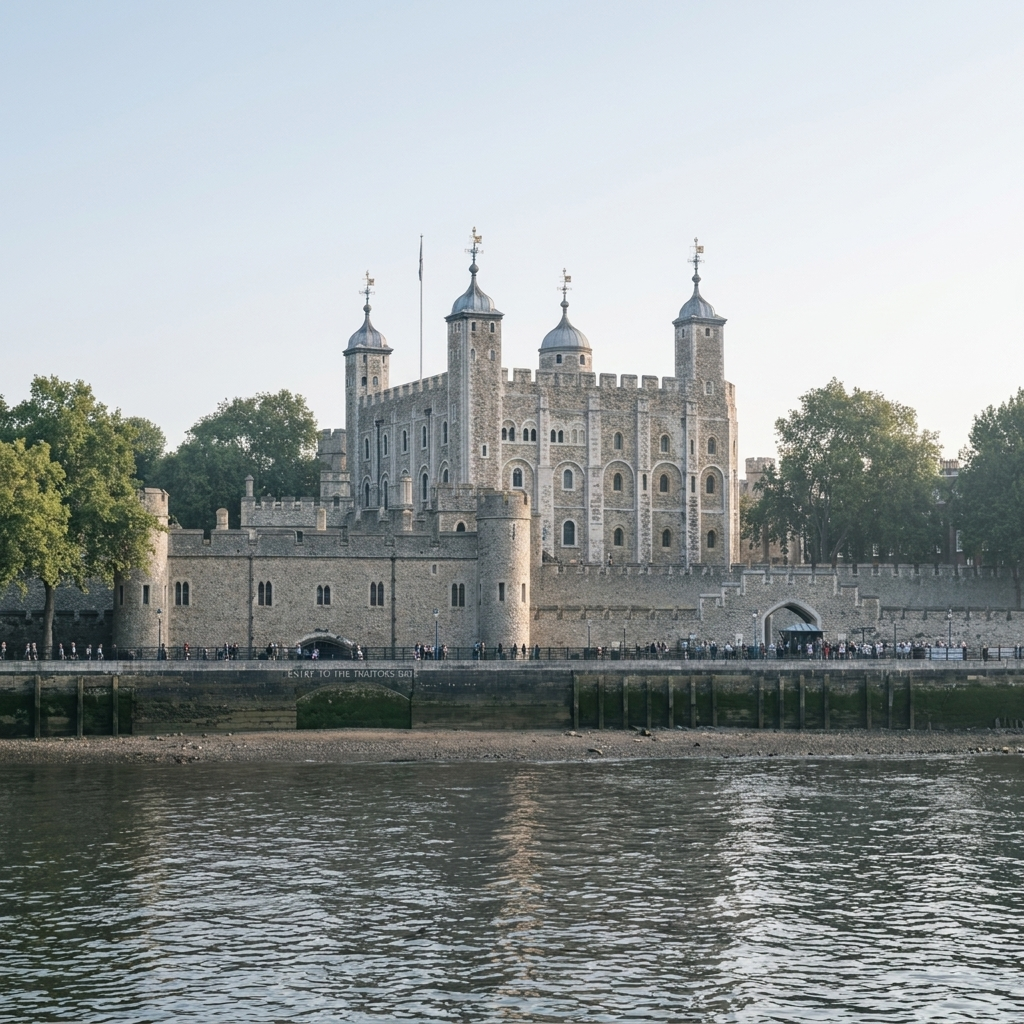
Tower of London
- A conqueror's fortress against Londoners
- A jailed bishop's escape
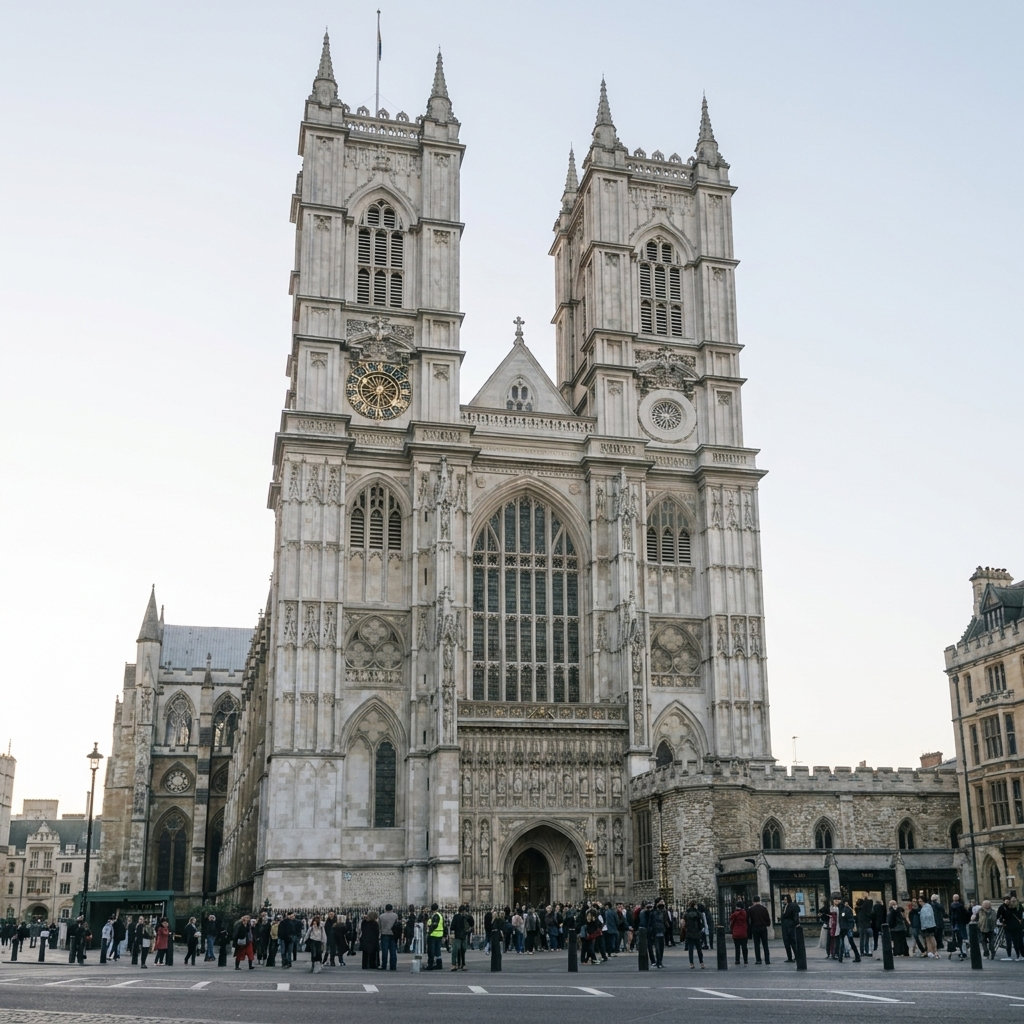
Westminster Abbey
- Students steal the Stone of Destiny
Big Ben
- Feuding over a cracked bell
- An architect's last design
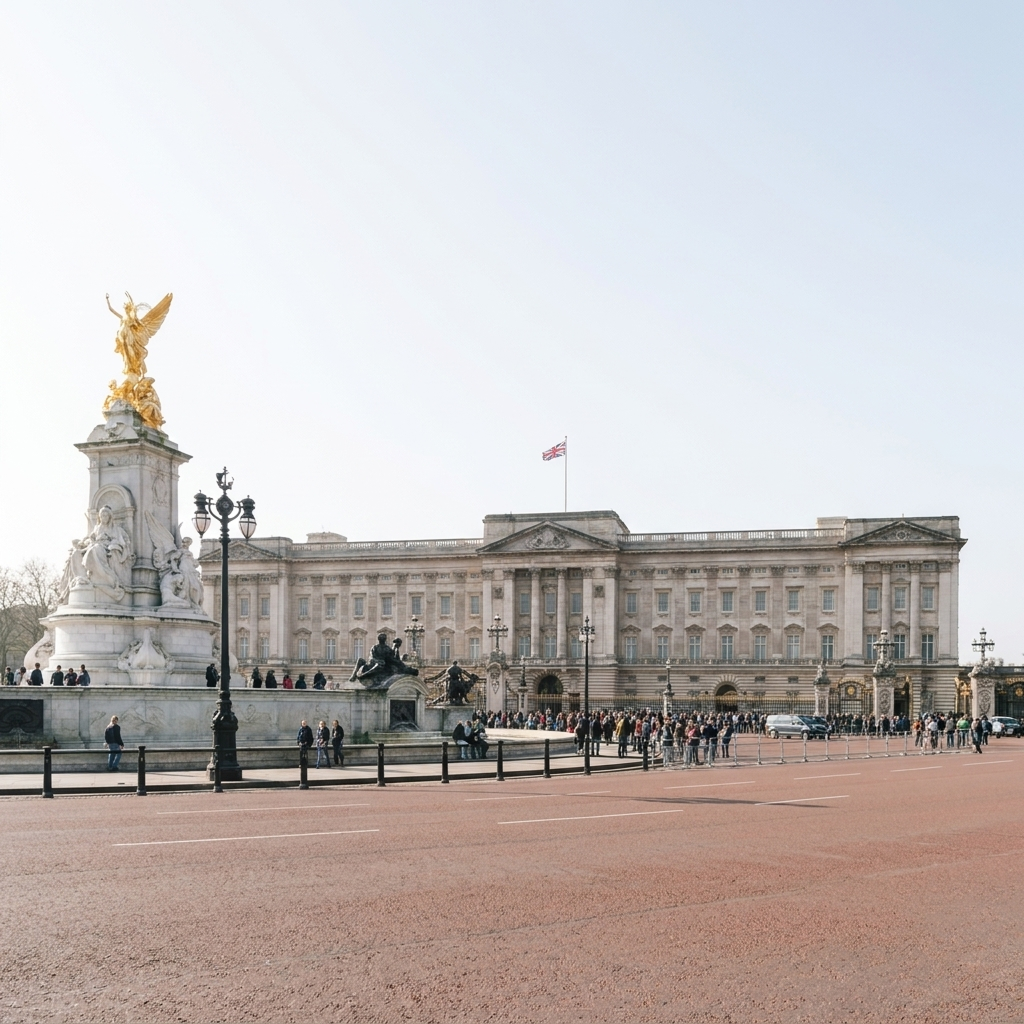
Buckingham Palace
- A boy keeps breaking in
- Half-mast for a princess
31 more places in London
British Museum · Houses of Parliament (Palace of Westminster) · National Gallery · St Paul’s Cathedral · Tate Modern · Natural History Museum · Victoria and Albert Museum · Hyde Park · Trafalgar Square · Covent Garden · British Library · Imperial War Museum · Science Museum · London Transport Museum · National Portrait Gallery · Tate Britain · Saatchi Gallery · Royal Academy of Arts · Shakespeare’s Globe · Borough Market · Camden Market · Portobello Road Market · Leadenhall Market · St James’s Park · Kensington Palace · Royal Observatory Greenwich · Cutty Sark (Clipper Ship) · Greenwich Park · Kew Gardens · Hampton Court Palace · Windsor Castle
HOW IT WORKS
Walk near a place.
The story finds you.
Get a notification when you’re near a story place. Tap to listen.
Tower Bridge
nowJust steps away.
Tap to hear the drama.

INSIDE EACH PLACE
From drama,
to idea,
to insight.
For example: the Big Ben.
1. Hear the drama behind the place.
Big Ben
- Feuding over a cracked bell
- An architect's last design
In this story, you’ll discover
Chapter 1
A Tower in Medieval Dress
In 1834, a fire destroyed most of the old Palace of Westminster, where Parliament had met for centuries. Only a few medieval parts survived, among them the great Westminster Hall. When a competition was held for a new building, every entry had to be Gothic or Elizabethan in style, so that the new palace would fit in with the old hall and with Westminster Abbey across the road. Gothic is the style of Europe's medieval cathedrals, with pointed arches and tall windows and spires reaching up. In the nineteenth century, architects in Britain brought it back for new buildings, and that's what we call the Gothic Revival. For its most passionate champion, it was much more than a look. The architect Augustus Pugin believed Gothic was the true Christian way of building. In a book of drawings, he argued that building Gothic again could bring back something of the faith of the Middle Ages. Charles Barry won the competition, and Pugin worked beside him on the decoration. For the clock tower, Pugin took Barry's first design and made it taller. Into its stone he worked the rose, thistle, shamrock and leek, the national plants of England, Scotland, Ireland and Wales. When Barry visited Pugin's home by the sea, Pugin handed over the final design. "I never worked so hard in my life as for Mr Barry," Pugin wrote while finishing it. That same month he suffered a total breakdown. He was shut away in asylums, one of them the hospital Londoners called Bedlam, and he died later that year, aged forty. The tower was his last design, and he never saw it built.
A reflection for you
Pugin finished the tower's design in the month he suffered a breakdown. He died before seeing it built. We can admire what he made without knowing what making it was like for him. When you imagine a successful life, how much comes from the way it looks to others, and how much from what it feels like to live it?
1×2. Learn the ideas inside the story.
Big Ben
- Feuding over a cracked bell
- An architect's last design
In this story, you’ll discover
Chapter 1
A Tower in Medieval Dress
In 1834, a fire destroyed most of the old Palace of Westminster, where Parliament had met for centuries. Only a few medieval parts survived, among them the great Westminster Hall. When a competition was held for a new building, every entry had to be Gothic or Elizabethan in style, so that the new palace would fit in with the old hall and with Westminster Abbey across the road. Gothic is the style of Europe's medieval cathedrals, with pointed arches and tall windows and spires reaching up. In the nineteenth century, architects in Britain brought it back for new buildings, and that's what we call the Gothic Revival. For its most passionate champion, it was much more than a look. The architect Augustus Pugin believed Gothic was the true Christian way of building. In a book of drawings, he argued that building Gothic again could bring back something of the faith of the Middle Ages. Charles Barry won the competition, and Pugin worked beside him on the decoration. For the clock tower, Pugin took Barry's first design and made it taller. Into its stone he worked the rose, thistle, shamrock and leek, the national plants of England, Scotland, Ireland and Wales. When Barry visited Pugin's home by the sea, Pugin handed over the final design. "I never worked so hard in my life as for Mr Barry," Pugin wrote while finishing it. That same month he suffered a total breakdown. He was shut away in asylums, one of them the hospital Londoners called Bedlam, and he died later that year, aged forty. The tower was his last design, and he never saw it built.
A reflection for you
Pugin finished the tower's design in the month he suffered a breakdown. He died before seeing it built. We can admire what he made without knowing what making it was like for him. When you imagine a successful life, how much comes from the way it looks to others, and how much from what it feels like to live it?
1×3. Keep an insight that’s only yours.
Big Ben
- Feuding over a cracked bell
- An architect's last design
In this story, you’ll discover
Chapter 1
A Tower in Medieval Dress
In 1834, a fire destroyed most of the old Palace of Westminster, where Parliament had met for centuries. Only a few medieval parts survived, among them the great Westminster Hall. When a competition was held for a new building, every entry had to be Gothic or Elizabethan in style, so that the new palace would fit in with the old hall and with Westminster Abbey across the road. Gothic is the style of Europe's medieval cathedrals, with pointed arches and tall windows and spires reaching up. In the nineteenth century, architects in Britain brought it back for new buildings, and that's what we call the Gothic Revival. For its most passionate champion, it was much more than a look. The architect Augustus Pugin believed Gothic was the true Christian way of building. In a book of drawings, he argued that building Gothic again could bring back something of the faith of the Middle Ages. Charles Barry won the competition, and Pugin worked beside him on the decoration. For the clock tower, Pugin took Barry's first design and made it taller. Into its stone he worked the rose, thistle, shamrock and leek, the national plants of England, Scotland, Ireland and Wales. When Barry visited Pugin's home by the sea, Pugin handed over the final design. "I never worked so hard in my life as for Mr Barry," Pugin wrote while finishing it. That same month he suffered a total breakdown. He was shut away in asylums, one of them the hospital Londoners called Bedlam, and he died later that year, aged forty. The tower was his last design, and he never saw it built.
A reflection for you
Pugin finished the tower's design in the month he suffered a breakdown. He died before seeing it built. We can admire what he made without knowing what making it was like for him. When you imagine a successful life, how much comes from the way it looks to others, and how much from what it feels like to live it?
1×BEFORE YOU GO
FAQ
An audio guide gives you the facts: dates, names, what it was built for. Odys‑say tells you the drama: the people behind the place, what they wanted, and what it cost them. The ideas behind the city come with the story, and it ends with an insight that’s only yours.
The story first: who was here, what they were up against, and what they chose. Then, inside that story, one or two ideas that help you understand the city more deeply, from history and politics to art, religion, and philosophy.
Explore the city as you normally would. When you’re near one of Odys‑say’s story places, your phone can let you know. Tap the notification, and the story is ready to hear right where you are.
The drama stays the same. What changes is what comes at the end. Based on what you chose to reflect on, Odys‑say connects something from the story to a question or insight that feels relevant to you.
Your first story is included. If you want to keep exploring, you can unlock the whole city for $9.99. It’s a one-time purchase, not a subscription.
A deeper way
to travel
London
Human stories at every place,
and what they leave with you.
No subscription.
One-time city purchase.