
YOUR TRAVEL DOCENT
Travel deeper into Miami, through its human stories.
At each place,
- Drama and backstory
- History & ideas behind them
- Insight that’s only yours
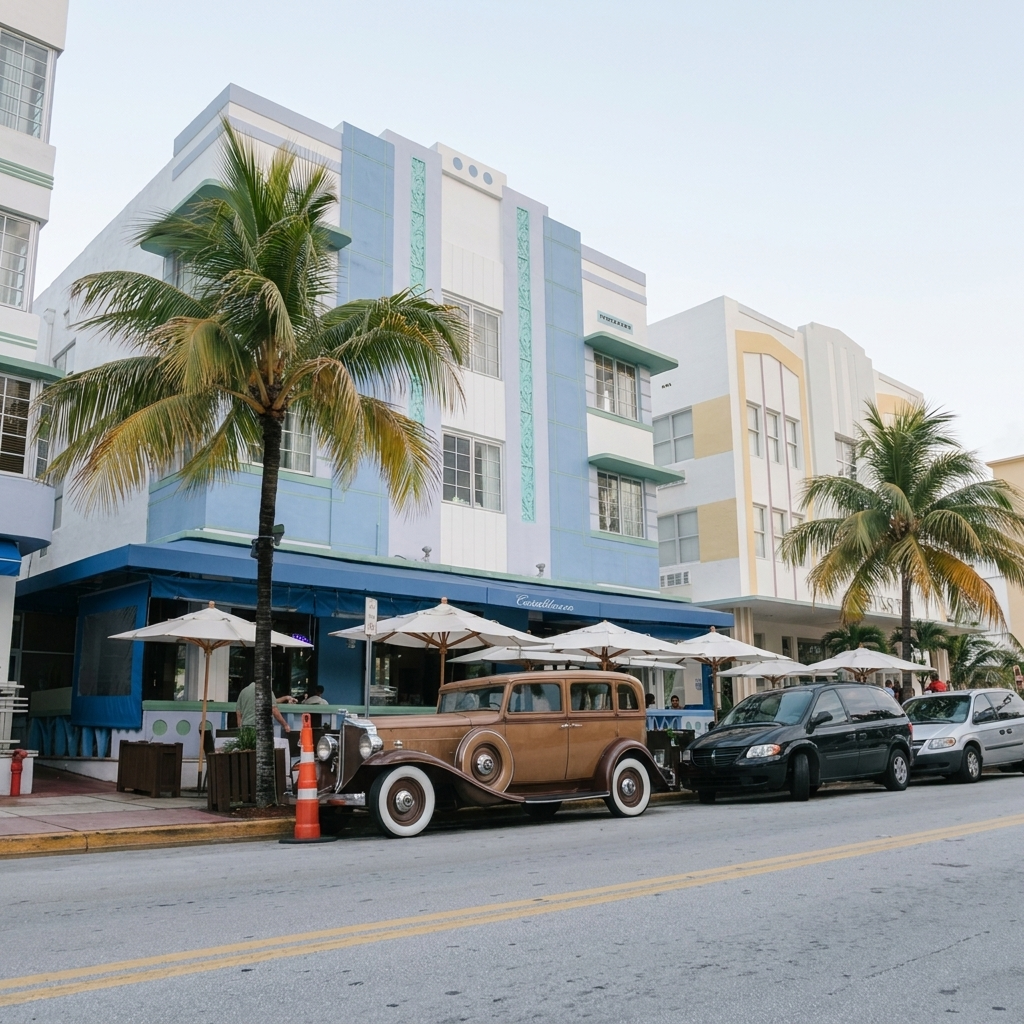
Art Deco Historic District
- A widow fights demolition
- A designer's pastels
In this story, you’ll discover
Chapter 1
Small Hotels for Ordinary Holidays
Miami Beach had grown up in the 1920s as a playground for the rich. Then a great hurricane in 1926 badly damaged the region, and a few years later the Great Depression arrived. The builders who came next had a different kind of guest in mind. They put up smaller, cheaper hotels for middle-class holidaymakers. The style they chose was Art Deco, the look of the machine age. The name comes from a great exhibition of decorative arts held in Paris in the mid-1920s, and the style favoured bold geometric shapes and stepped outlines. Its later, sleeker form, often called Streamline Moderne, borrowed from the fastest things of the day: trains, ocean liners and cars. Local architects gave their buildings rounded corners, towers that rise above the roofline, and thin concrete ledges over the windows that are called eyebrows. Some hotels have round porthole windows, as if a ship had run aground on the street. At night, neon lit up their names. By the 1970s, the buildings had grown old. Many of the residents were Jewish retirees spending their last years in small, inexpensive rooms. The hotels were worn and shabby, and developers saw the land as a place for big new towers.

A reflection for you
Barbara Capitman could not save the Senator Hotel. Public anger over its demolition helped secure stronger protection for other buildings. When you look back on something you worked hard for, do you judge it only by whether you got what you wanted, or also by what your effort changed?

 1×1×
BEHIND EVERY PLACE
The people the plaques leave out.
A plaque gives you a date and a name. Here, you get the person, and the ideas that shaped Miami come with the story.
Art Deco Historic District
- A widow fights demolition
- A designer's pastels
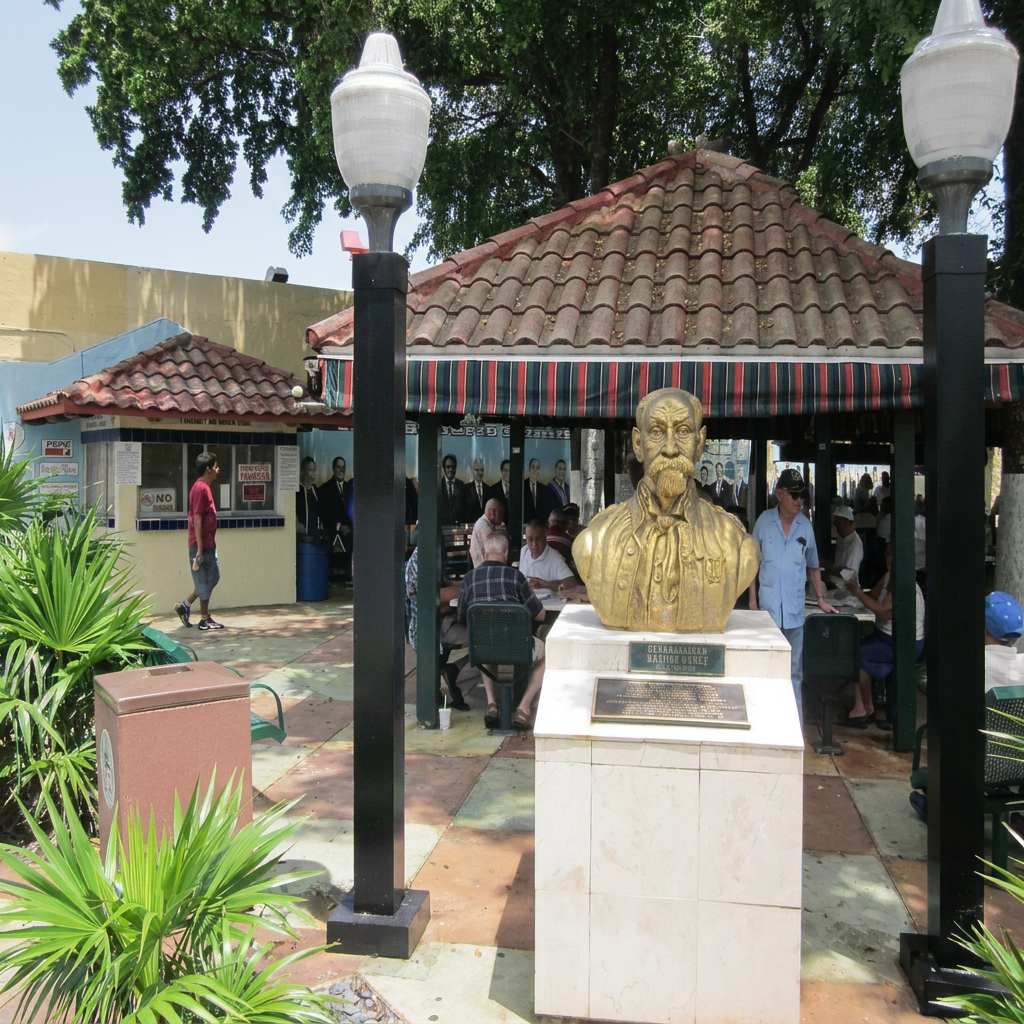
Little Havana
- A president's unkept flag promise
- Exiles bring Havana's dominoes
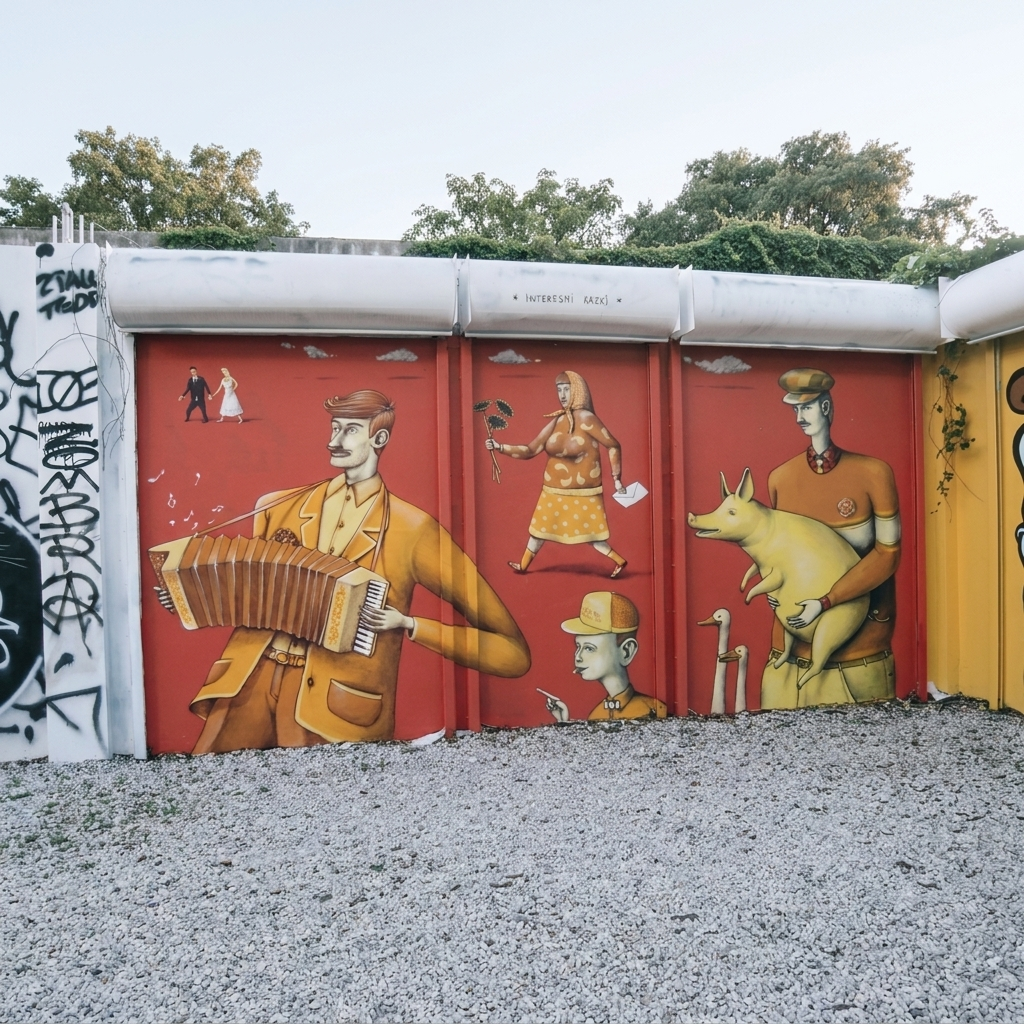
Wynwood Walls
- Blank walls, a developer's bet
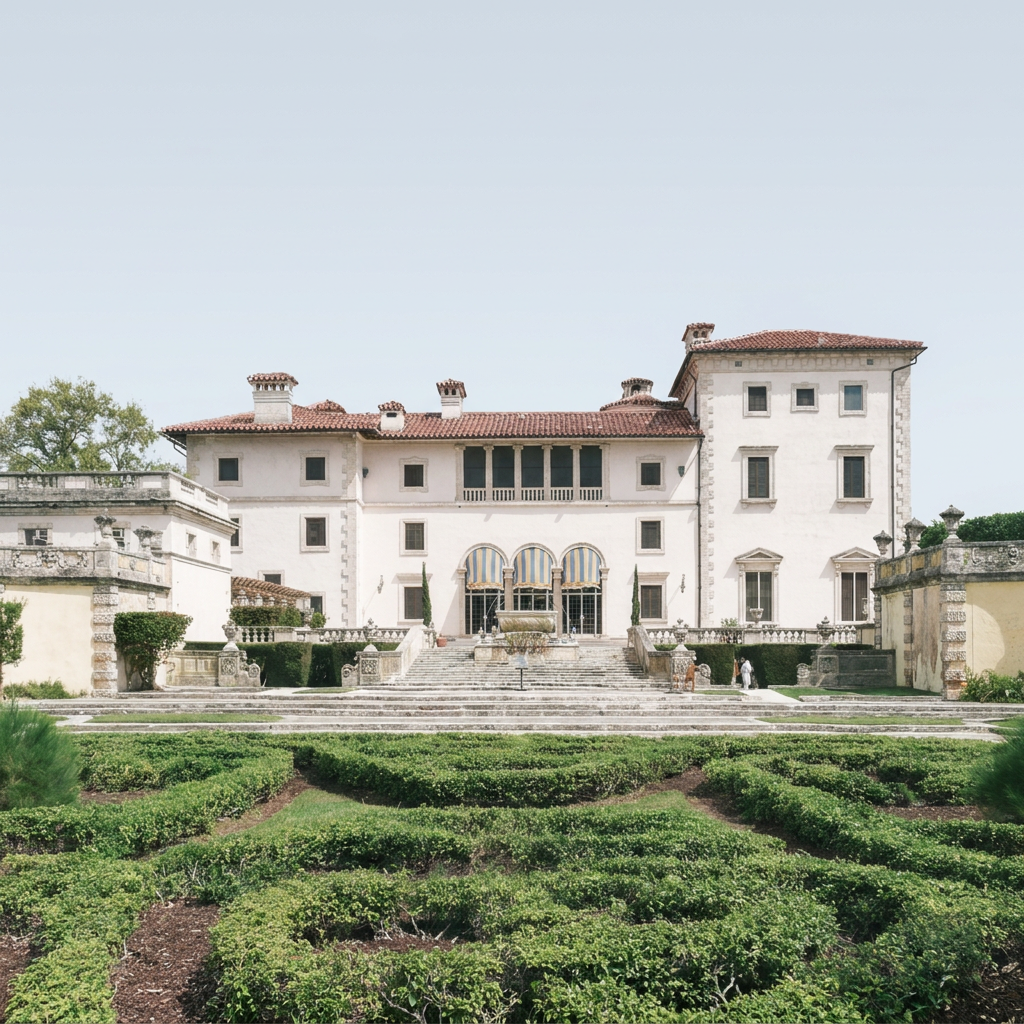
Vizcaya Museum & Gardens
- A sick industrialist's Italian villa
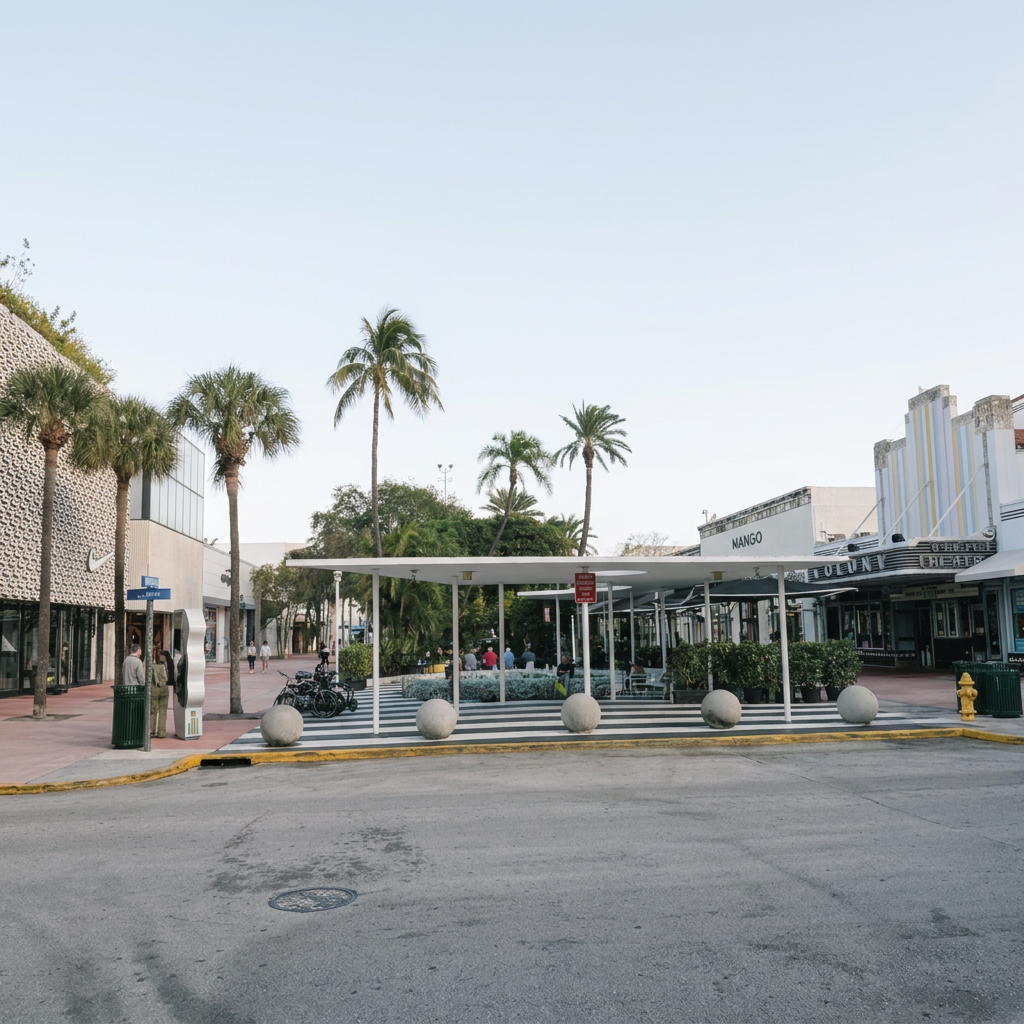
Lincoln Road
- An architect bans cars
- Artists fill empty shops
14 more places in Miami
Bayfront Park · Coconut Grove · Freedom Tower · Pérez Art Museum Miami · Holocaust Memorial Miami Beach · Everglades National Park · Española Way · Biltmore Hotel · The Barnacle Historic State Park · Ermita de la Caridad · Jewish Museum of Florida · Ancient Spanish Monastery · Historic Virginia Key Beach Park · Cape Florida Lighthouse
HOW IT WORKS
Walk near a place.
The story finds you.
Get a notification when you’re near a story place. Tap to listen.
Art Deco Historic District
nowJust steps away.
Tap to hear the drama.

INSIDE EACH PLACE
From drama,
to idea,
to insight.
For example: the Art Deco Historic District.
1. Hear the drama behind the place.
Art Deco Historic District
- A widow fights demolition
- A designer's pastels
In this story, you’ll discover
Chapter 1
Small Hotels for Ordinary Holidays
Miami Beach had grown up in the 1920s as a playground for the rich. Then a great hurricane in 1926 badly damaged the region, and a few years later the Great Depression arrived. The builders who came next had a different kind of guest in mind. They put up smaller, cheaper hotels for middle-class holidaymakers. The style they chose was Art Deco, the look of the machine age. The name comes from a great exhibition of decorative arts held in Paris in the mid-1920s, and the style favoured bold geometric shapes and stepped outlines. Its later, sleeker form, often called Streamline Moderne, borrowed from the fastest things of the day: trains, ocean liners and cars. Local architects gave their buildings rounded corners, towers that rise above the roofline, and thin concrete ledges over the windows that are called eyebrows. Some hotels have round porthole windows, as if a ship had run aground on the street. At night, neon lit up their names. By the 1970s, the buildings had grown old. Many of the residents were Jewish retirees spending their last years in small, inexpensive rooms. The hotels were worn and shabby, and developers saw the land as a place for big new towers.
A reflection for you
Barbara Capitman could not save the Senator Hotel. Public anger over its demolition helped secure stronger protection for other buildings. When you look back on something you worked hard for, do you judge it only by whether you got what you wanted, or also by what your effort changed?
1×2. Learn the ideas inside the story.
Art Deco Historic District
- A widow fights demolition
- A designer's pastels
In this story, you’ll discover
Chapter 1
Small Hotels for Ordinary Holidays
Miami Beach had grown up in the 1920s as a playground for the rich. Then a great hurricane in 1926 badly damaged the region, and a few years later the Great Depression arrived. The builders who came next had a different kind of guest in mind. They put up smaller, cheaper hotels for middle-class holidaymakers. The style they chose was Art Deco, the look of the machine age. The name comes from a great exhibition of decorative arts held in Paris in the mid-1920s, and the style favoured bold geometric shapes and stepped outlines. Its later, sleeker form, often called Streamline Moderne, borrowed from the fastest things of the day: trains, ocean liners and cars. Local architects gave their buildings rounded corners, towers that rise above the roofline, and thin concrete ledges over the windows that are called eyebrows. Some hotels have round porthole windows, as if a ship had run aground on the street. At night, neon lit up their names. By the 1970s, the buildings had grown old. Many of the residents were Jewish retirees spending their last years in small, inexpensive rooms. The hotels were worn and shabby, and developers saw the land as a place for big new towers.
A reflection for you
Barbara Capitman could not save the Senator Hotel. Public anger over its demolition helped secure stronger protection for other buildings. When you look back on something you worked hard for, do you judge it only by whether you got what you wanted, or also by what your effort changed?
1×3. Keep an insight that’s only yours.
Art Deco Historic District
- A widow fights demolition
- A designer's pastels
In this story, you’ll discover
Chapter 1
Small Hotels for Ordinary Holidays
Miami Beach had grown up in the 1920s as a playground for the rich. Then a great hurricane in 1926 badly damaged the region, and a few years later the Great Depression arrived. The builders who came next had a different kind of guest in mind. They put up smaller, cheaper hotels for middle-class holidaymakers. The style they chose was Art Deco, the look of the machine age. The name comes from a great exhibition of decorative arts held in Paris in the mid-1920s, and the style favoured bold geometric shapes and stepped outlines. Its later, sleeker form, often called Streamline Moderne, borrowed from the fastest things of the day: trains, ocean liners and cars. Local architects gave their buildings rounded corners, towers that rise above the roofline, and thin concrete ledges over the windows that are called eyebrows. Some hotels have round porthole windows, as if a ship had run aground on the street. At night, neon lit up their names. By the 1970s, the buildings had grown old. Many of the residents were Jewish retirees spending their last years in small, inexpensive rooms. The hotels were worn and shabby, and developers saw the land as a place for big new towers.
A reflection for you
Barbara Capitman could not save the Senator Hotel. Public anger over its demolition helped secure stronger protection for other buildings. When you look back on something you worked hard for, do you judge it only by whether you got what you wanted, or also by what your effort changed?
1×BEFORE YOU GO
FAQ
An audio guide gives you the facts: dates, names, what it was built for. Odys‑say tells you the drama: the people behind the place, what they wanted, and what it cost them. The ideas behind the city come with the story, and it ends with an insight that’s only yours.
The story first: who was here, what they were up against, and what they chose. Then, inside that story, one or two ideas that help you understand the city more deeply, from history and politics to art, religion, and philosophy.
Explore the city as you normally would. When you’re near one of Odys‑say’s story places, your phone can let you know. Tap the notification, and the story is ready to hear right where you are.
The drama stays the same. What changes is what comes at the end. Based on what you chose to reflect on, Odys‑say connects something from the story to a question or insight that feels relevant to you.
Your first story is included. If you want to keep exploring, you can unlock the whole city for $9.99. It’s a one-time purchase, not a subscription.
A deeper way
to travel
Miami
Human stories at every place,
and what they leave with you.
No subscription.
One-time city purchase.