
YOUR TRAVEL DOCENT
Travel deeper into Milan, through its human stories.
At each place,
- Drama and backstory
- History & ideas behind them
- Insight that’s only yours
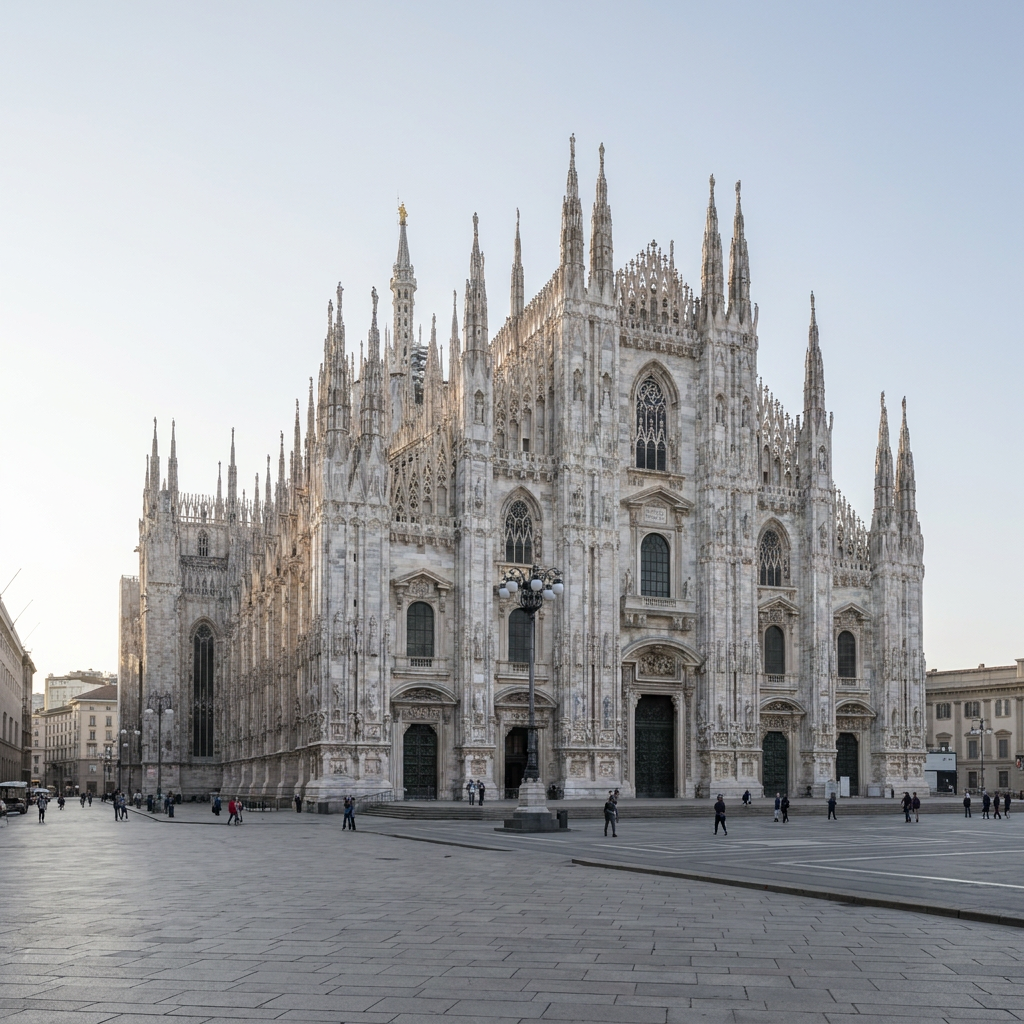
Milan Cathedral
- Local masters defy a foreign expert
In this story, you’ll discover
Chapter 1
A Ruler's Church for Milan
The archbishop of Milan started the cathedral, with the backing of his cousin Gian Galeazzo Visconti, who had just taken power over the city. Together they raised large donations from the public for the work. Milan had lived through the harsh rule of an earlier Visconti lord, and the new church was meant partly to reward the nobles and working people who had suffered under him. It was also meant to make a point. Gian Galeazzo kept his court in nearby Pavia, but a vast new church in Milan was a way of showing that the city still mattered. He also hoped to make the cathedral his family's burial church. Both the cathedral's builders and the Milanese strongly opposed the plan, so he founded a new monastery at Pavia for the family tombs instead. What he did give the builders was sole use of a marble quarry at Candoglia, near Lake Maggiore. From there the stone came down to Milan by water, along rivers and canals.

A reflection for you
A visiting expert warned that Milan's cathedral would collapse. The local builders stood by their work, yet his warning made them check their methods more carefully. Does changing a belief you've held for years feel like denying who you are? Could you stand by what you believe while listening for something you might have missed?

 1×1×
BEHIND EVERY PLACE
The people the plaques leave out.
A plaque gives you a date and a name. Here, you get the person, and the ideas that shaped Milan come with the story.
Milan Cathedral
- Local masters defy a foreign expert
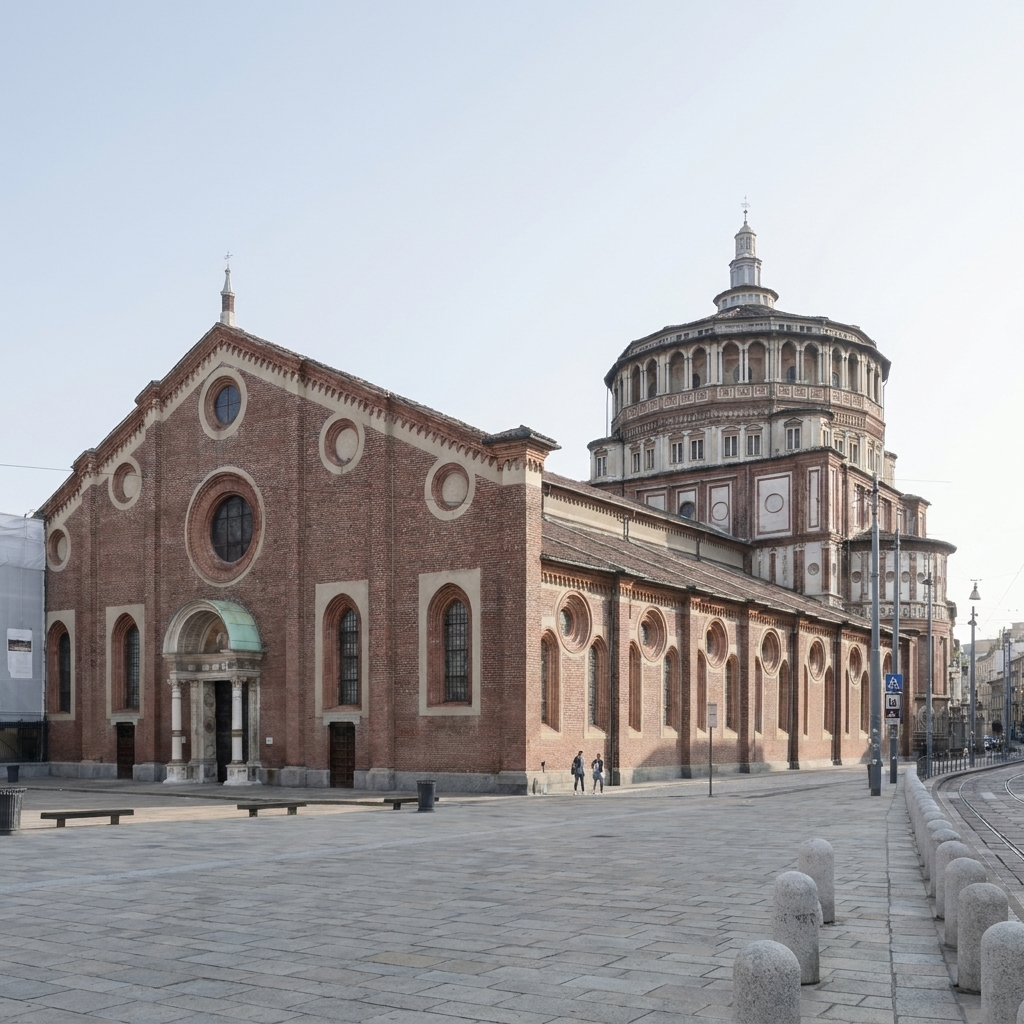
Santa Maria delle Grazie
- A duke denied a shared tomb
- A painter's experiment that faded
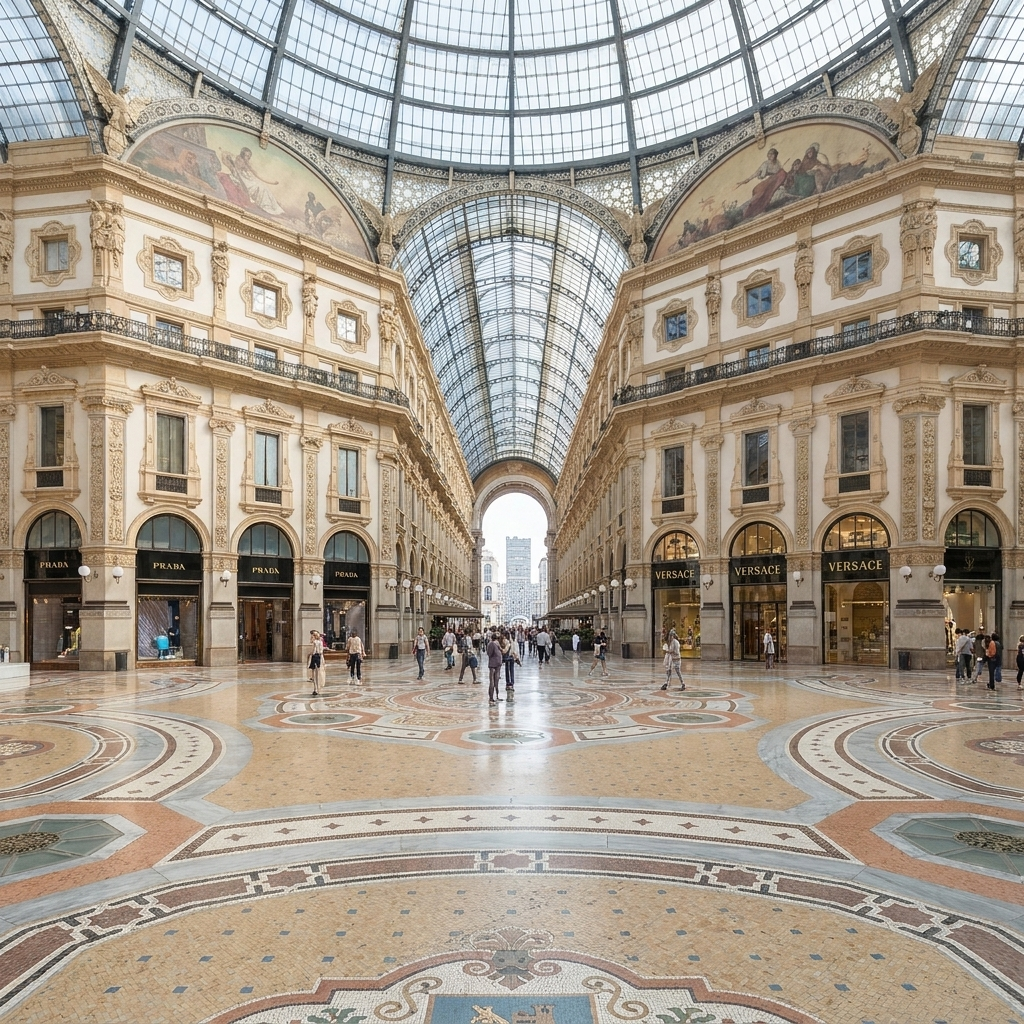
Galleria Vittorio Emanuele II
- An architect's fall before the unveiling
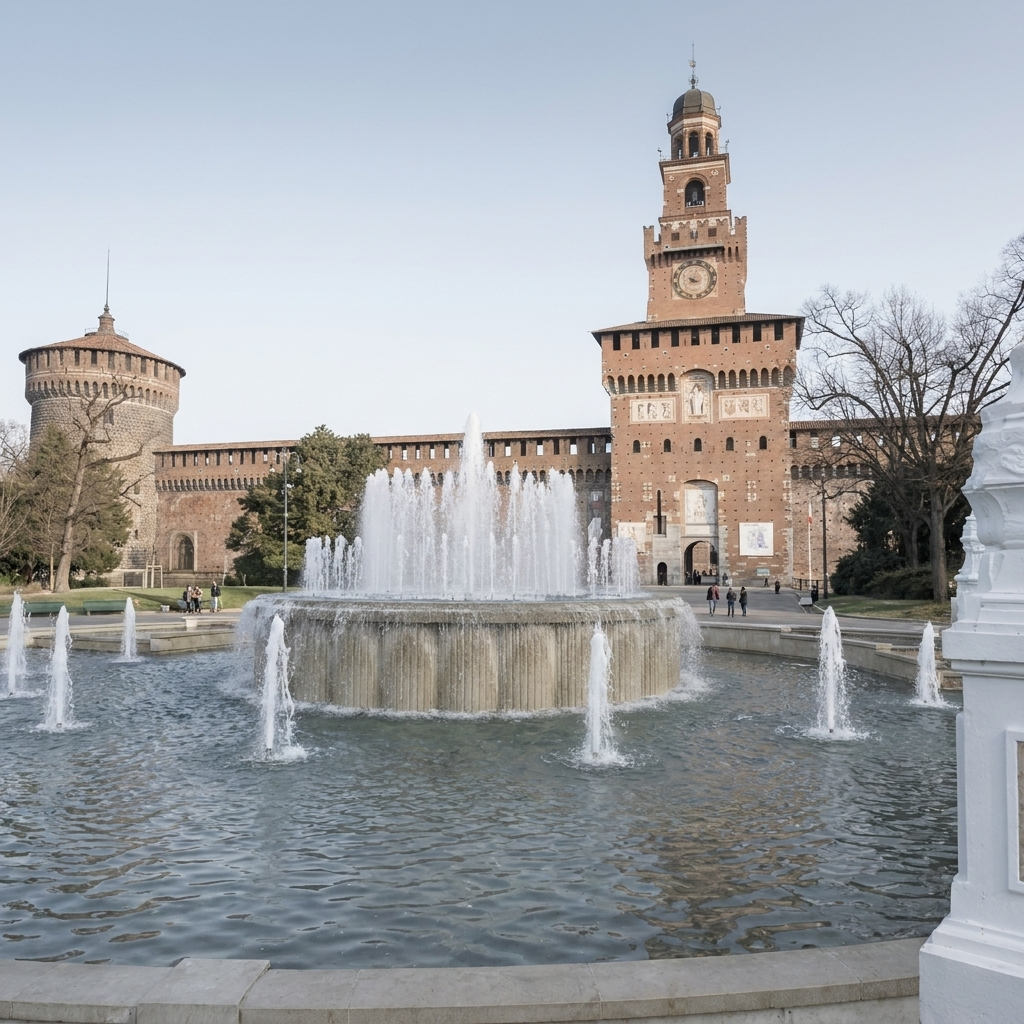
Sforza Castle
- The castle Milan wanted gone
- Carving the Pietà to the end
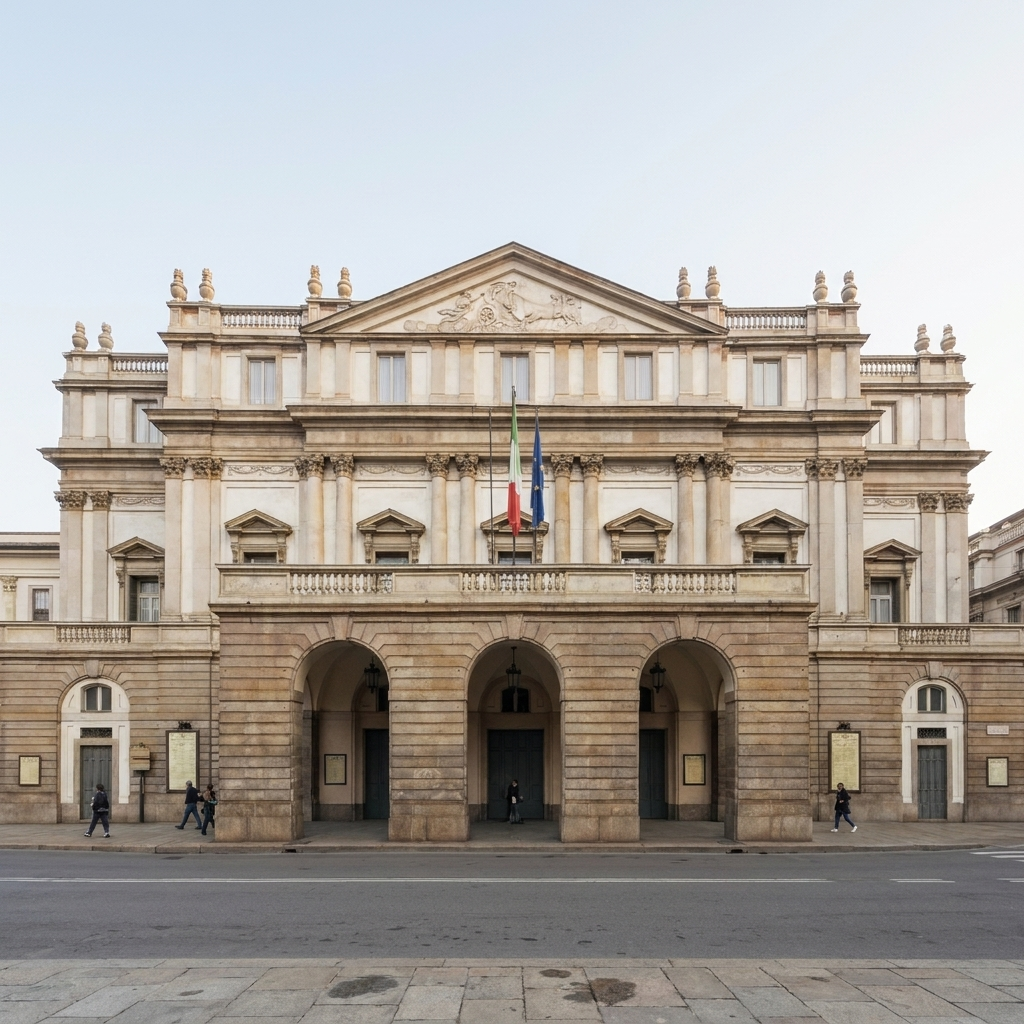
Teatro alla Scala
- A conductor's vow against Fascism
19 more places in Milan
Pinacoteca di Brera · Navigli · Basilica di Sant'Ambrogio · Museo Nazionale Scienza e Tecnologia Leonardo da Vinci · Parco Sempione · Arco della Pace · Cimitero Monumentale · San Maurizio al Monastero Maggiore · Pinacoteca Ambrosiana · Museo del Novecento · Palazzo Reale · Basilica di San Lorenzo Maggiore · Santa Maria presso San Satiro · San Bernardino alle Ossa · Piazza dei Mercanti · Brera · Villa Necchi Campiglio · Museo Poldi Pezzoli · Triennale Milano
HOW IT WORKS
Walk near a place.
The story finds you.
Get a notification when you’re near a story place. Tap to listen.
Milan Cathedral
nowJust steps away.
Tap to hear the drama.

INSIDE EACH PLACE
From drama,
to idea,
to insight.
For example: the Milan Cathedral.
1. Hear the drama behind the place.
Milan Cathedral
- Local masters defy a foreign expert
In this story, you’ll discover
Chapter 1
A Ruler's Church for Milan
The archbishop of Milan started the cathedral, with the backing of his cousin Gian Galeazzo Visconti, who had just taken power over the city. Together they raised large donations from the public for the work. Milan had lived through the harsh rule of an earlier Visconti lord, and the new church was meant partly to reward the nobles and working people who had suffered under him. It was also meant to make a point. Gian Galeazzo kept his court in nearby Pavia, but a vast new church in Milan was a way of showing that the city still mattered. He also hoped to make the cathedral his family's burial church. Both the cathedral's builders and the Milanese strongly opposed the plan, so he founded a new monastery at Pavia for the family tombs instead. What he did give the builders was sole use of a marble quarry at Candoglia, near Lake Maggiore. From there the stone came down to Milan by water, along rivers and canals.
A reflection for you
A visiting expert warned that Milan's cathedral would collapse. The local builders stood by their work, yet his warning made them check their methods more carefully. Does changing a belief you've held for years feel like denying who you are? Could you stand by what you believe while listening for something you might have missed?
1×2. Learn the ideas inside the story.
Milan Cathedral
- Local masters defy a foreign expert
In this story, you’ll discover
Chapter 1
A Ruler's Church for Milan
The archbishop of Milan started the cathedral, with the backing of his cousin Gian Galeazzo Visconti, who had just taken power over the city. Together they raised large donations from the public for the work. Milan had lived through the harsh rule of an earlier Visconti lord, and the new church was meant partly to reward the nobles and working people who had suffered under him. It was also meant to make a point. Gian Galeazzo kept his court in nearby Pavia, but a vast new church in Milan was a way of showing that the city still mattered. He also hoped to make the cathedral his family's burial church. Both the cathedral's builders and the Milanese strongly opposed the plan, so he founded a new monastery at Pavia for the family tombs instead. What he did give the builders was sole use of a marble quarry at Candoglia, near Lake Maggiore. From there the stone came down to Milan by water, along rivers and canals.
A reflection for you
A visiting expert warned that Milan's cathedral would collapse. The local builders stood by their work, yet his warning made them check their methods more carefully. Does changing a belief you've held for years feel like denying who you are? Could you stand by what you believe while listening for something you might have missed?
1×3. Keep an insight that’s only yours.
Milan Cathedral
- Local masters defy a foreign expert
In this story, you’ll discover
Chapter 1
A Ruler's Church for Milan
The archbishop of Milan started the cathedral, with the backing of his cousin Gian Galeazzo Visconti, who had just taken power over the city. Together they raised large donations from the public for the work. Milan had lived through the harsh rule of an earlier Visconti lord, and the new church was meant partly to reward the nobles and working people who had suffered under him. It was also meant to make a point. Gian Galeazzo kept his court in nearby Pavia, but a vast new church in Milan was a way of showing that the city still mattered. He also hoped to make the cathedral his family's burial church. Both the cathedral's builders and the Milanese strongly opposed the plan, so he founded a new monastery at Pavia for the family tombs instead. What he did give the builders was sole use of a marble quarry at Candoglia, near Lake Maggiore. From there the stone came down to Milan by water, along rivers and canals.
A reflection for you
A visiting expert warned that Milan's cathedral would collapse. The local builders stood by their work, yet his warning made them check their methods more carefully. Does changing a belief you've held for years feel like denying who you are? Could you stand by what you believe while listening for something you might have missed?
1×BEFORE YOU GO
FAQ
An audio guide gives you the facts: dates, names, what it was built for. Odys‑say tells you the drama: the people behind the place, what they wanted, and what it cost them. The ideas behind the city come with the story, and it ends with an insight that’s only yours.
The story first: who was here, what they were up against, and what they chose. Then, inside that story, one or two ideas that help you understand the city more deeply, from history and politics to art, religion, and philosophy.
Explore the city as you normally would. When you’re near one of Odys‑say’s story places, your phone can let you know. Tap the notification, and the story is ready to hear right where you are.
The drama stays the same. What changes is what comes at the end. Based on what you chose to reflect on, Odys‑say connects something from the story to a question or insight that feels relevant to you.
Your first story is included. If you want to keep exploring, you can unlock the whole city for $9.99. It’s a one-time purchase, not a subscription.
A deeper way
to travel
Milan
Human stories at every place,
and what they leave with you.
No subscription.
One-time city purchase.