
YOUR TRAVEL DOCENT
Travel deeper into Nara, through its human stories.
At each place,
- Drama and backstory
- History & ideas behind them
- Insight that’s only yours
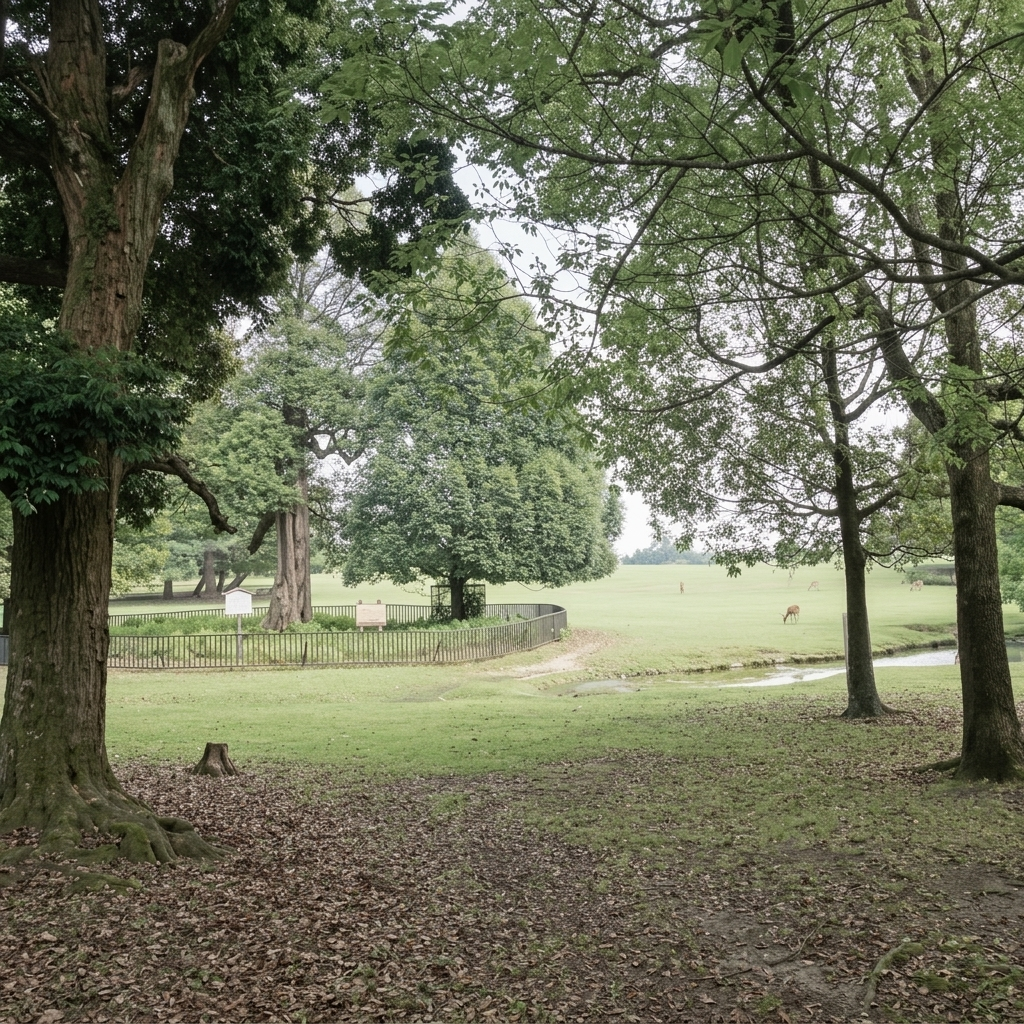
Nara Park
- Farmers sue over deer
In this story, you’ll discover
Chapter 1
Messengers of the Kasuga God
It starts with Kasuga Taisha, at the park's eastern edge. It's a Shinto shrine, a place for Japan's native gods. The shrine tells how its god arrived here riding a white deer, and so people came to treat the deer as the god's messengers. The mountain behind the shrine was sacred ground too. Hunting and logging there were banned more than eleven hundred years ago, which is why there's still old forest at the edge of the city. For centuries the shrine and Kofuku-ji, the great Buddhist temple beside it, watched over the deer, and that protection could be brutal. In the mid-1500s, a ten-year-old girl threw a stone that killed a deer. She was paraded around the temple and beheaded. About a century later, bucks were goring people in town, so the governor sent by the shogun asked the temple to have their antlers cut. That antler cutting still happens every autumn at Rokuen, the deer sanctuary here in the park.

A reflection for you
Nara's deer were sacred, then pests people could shoot, then national treasures to protect. The herd nearly disappeared and grew back. Even their holiness had to fit around what people needed at the time. Perhaps the most sacred creatures here were the people who got to decide.

 1×1×
BEHIND EVERY PLACE
The people the plaques leave out.
A plaque gives you a date and a name. Here, you get the person, and the ideas that shaped Nara come with the story.
Nara Park
- Farmers sue over deer
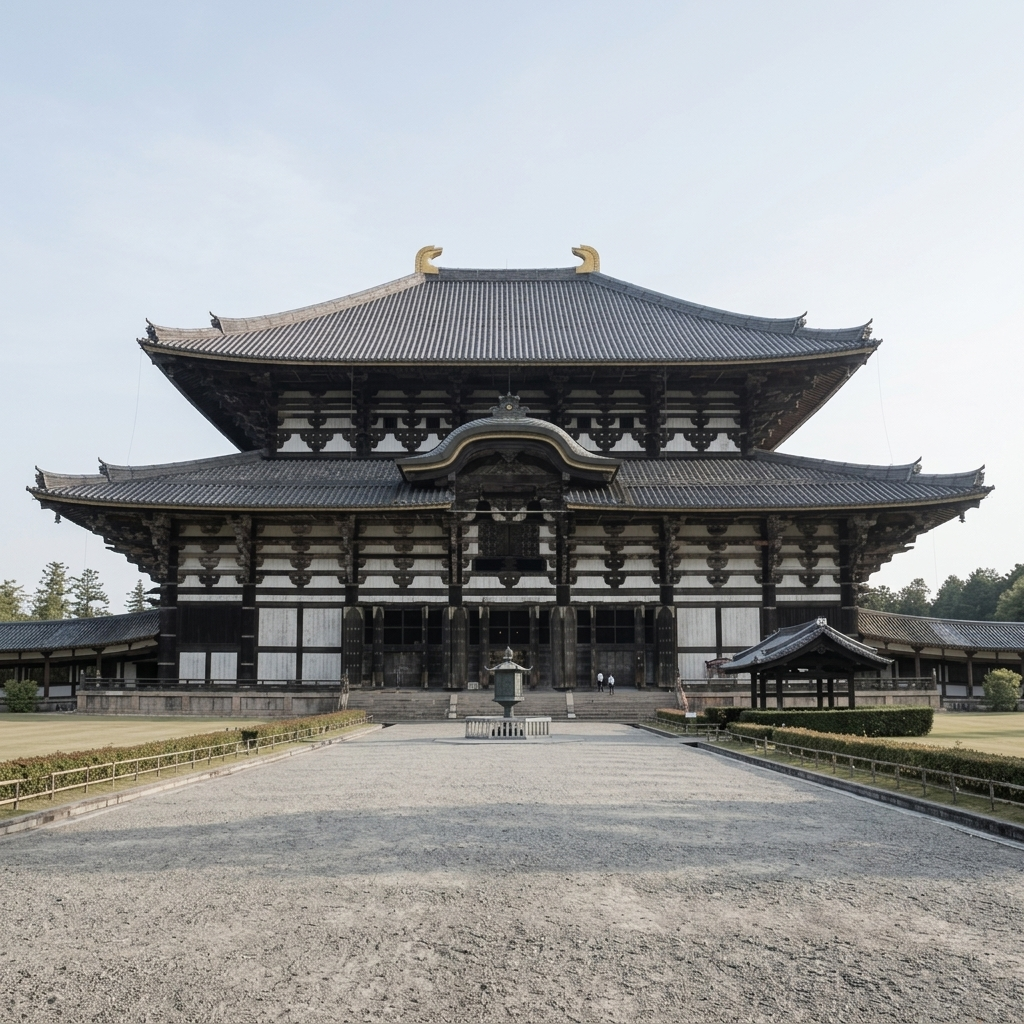
Todai-ji
- A censured monk's Buddha
- Rebuilding coin by coin
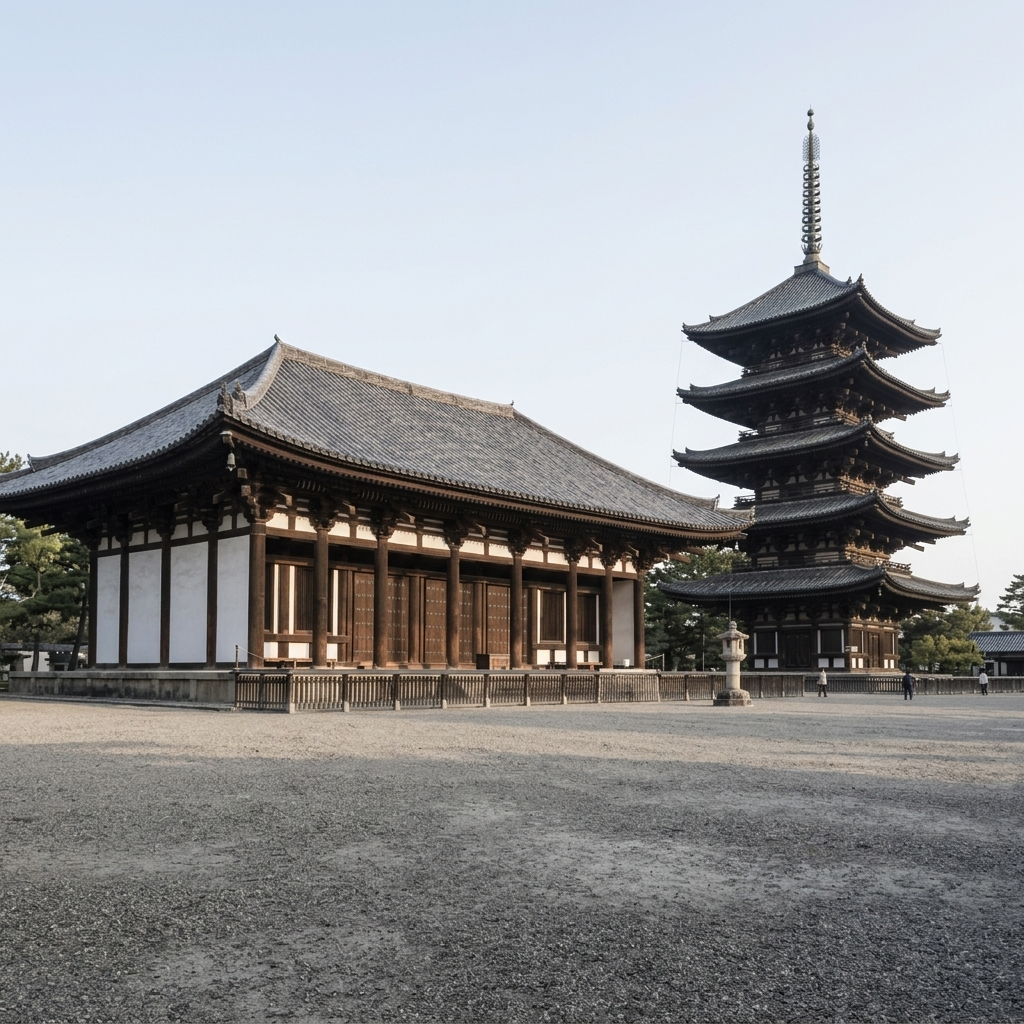
Kofuku-ji
- An empress's sad-faced statue
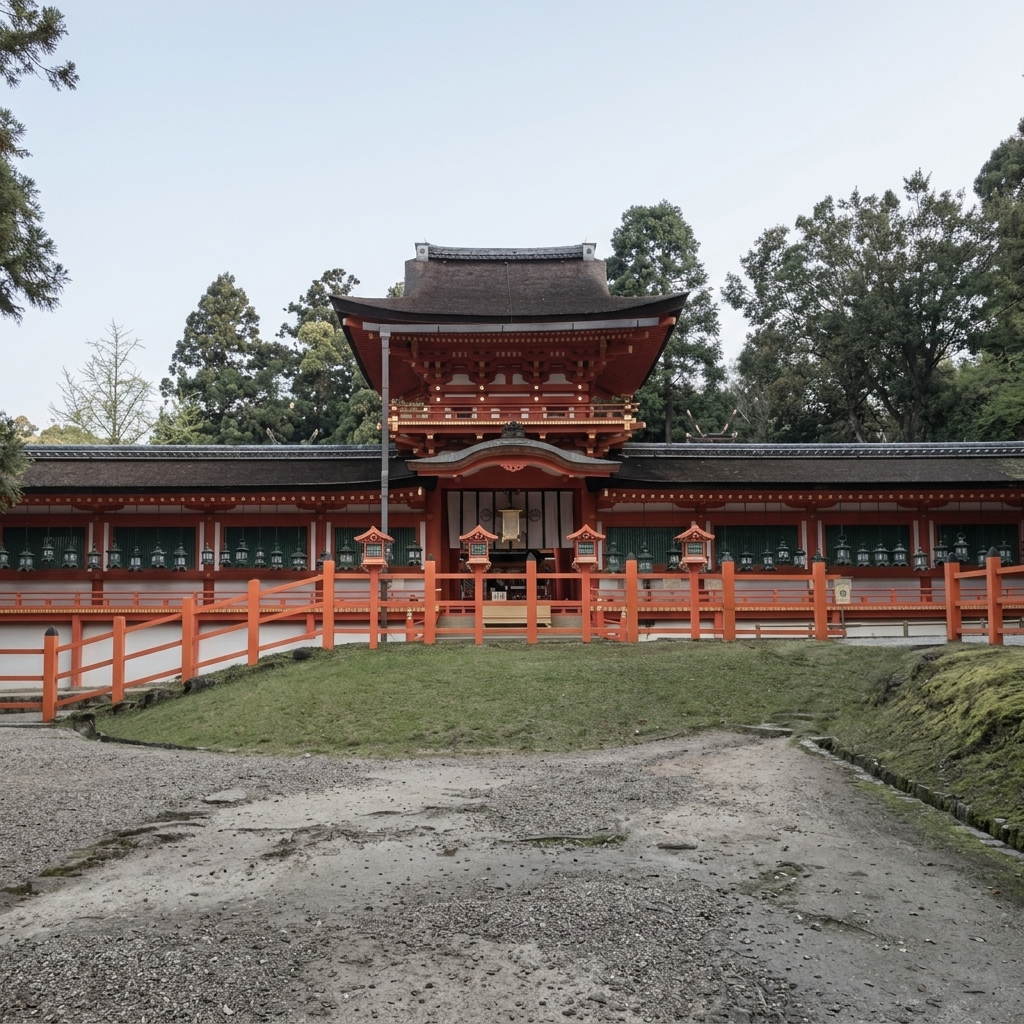
Kasuga Taisha
- Neighbours chip in for lanterns
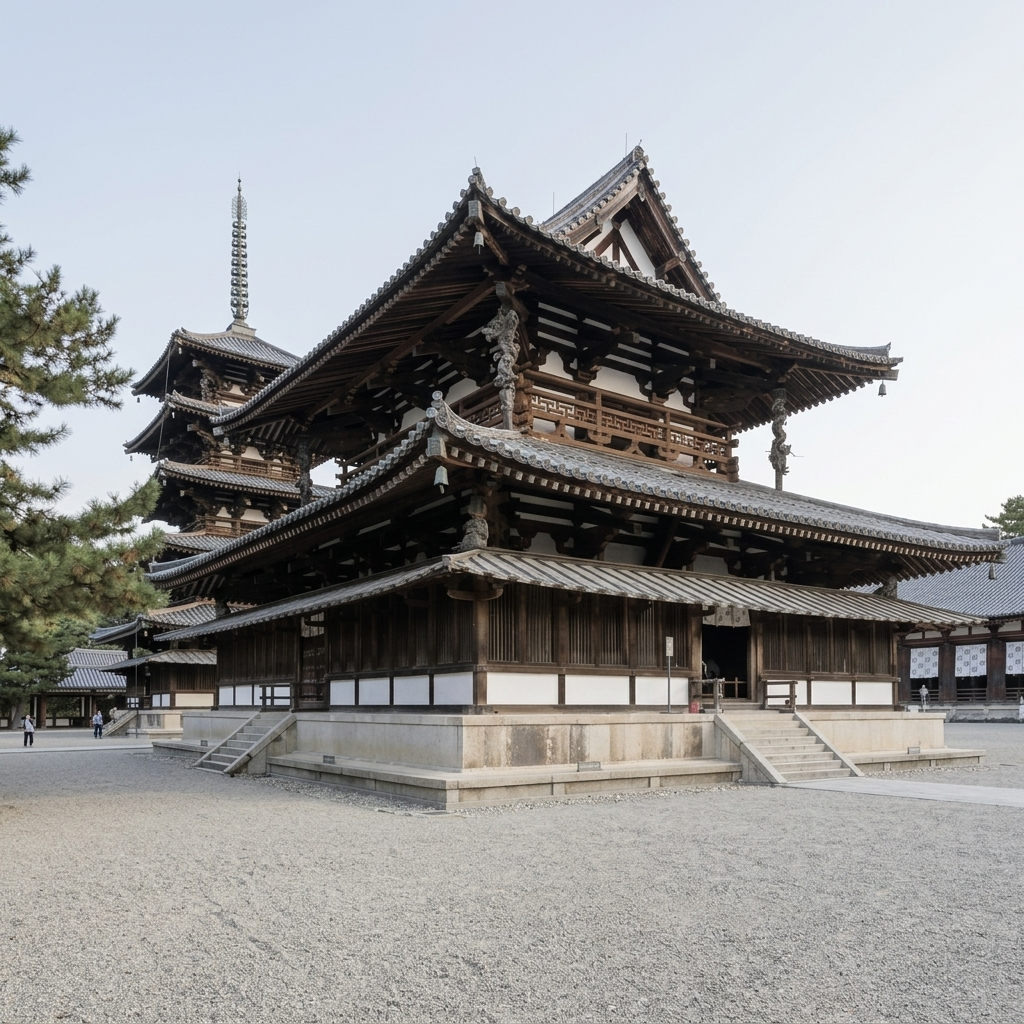
Horyu-ji
- The prince's son won't fight
- Vowing for the dying prince
9 more places in Nara
Nara National Museum · Nigatsu-do · Toshodai-ji · Yakushi-ji · Heijo Palace Site · Naramachi · Gango-ji · Isuien Garden · Mount Wakakusa
HOW IT WORKS
Walk near a place.
The story finds you.
Get a notification when you’re near a story place. Tap to listen.
Nara Park
nowJust steps away.
Tap to hear the drama.

INSIDE EACH PLACE
From drama,
to idea,
to insight.
For example: the Nara Park.
1. Hear the drama behind the place.
Nara Park
- Farmers sue over deer
In this story, you’ll discover
Chapter 1
Messengers of the Kasuga God
It starts with Kasuga Taisha, at the park's eastern edge. It's a Shinto shrine, a place for Japan's native gods. The shrine tells how its god arrived here riding a white deer, and so people came to treat the deer as the god's messengers. The mountain behind the shrine was sacred ground too. Hunting and logging there were banned more than eleven hundred years ago, which is why there's still old forest at the edge of the city. For centuries the shrine and Kofuku-ji, the great Buddhist temple beside it, watched over the deer, and that protection could be brutal. In the mid-1500s, a ten-year-old girl threw a stone that killed a deer. She was paraded around the temple and beheaded. About a century later, bucks were goring people in town, so the governor sent by the shogun asked the temple to have their antlers cut. That antler cutting still happens every autumn at Rokuen, the deer sanctuary here in the park.
A reflection for you
Nara's deer were sacred, then pests people could shoot, then national treasures to protect. The herd nearly disappeared and grew back. Even their holiness had to fit around what people needed at the time. Perhaps the most sacred creatures here were the people who got to decide.
1×2. Learn the ideas inside the story.
Nara Park
- Farmers sue over deer
In this story, you’ll discover
Chapter 1
Messengers of the Kasuga God
It starts with Kasuga Taisha, at the park's eastern edge. It's a Shinto shrine, a place for Japan's native gods. The shrine tells how its god arrived here riding a white deer, and so people came to treat the deer as the god's messengers. The mountain behind the shrine was sacred ground too. Hunting and logging there were banned more than eleven hundred years ago, which is why there's still old forest at the edge of the city. For centuries the shrine and Kofuku-ji, the great Buddhist temple beside it, watched over the deer, and that protection could be brutal. In the mid-1500s, a ten-year-old girl threw a stone that killed a deer. She was paraded around the temple and beheaded. About a century later, bucks were goring people in town, so the governor sent by the shogun asked the temple to have their antlers cut. That antler cutting still happens every autumn at Rokuen, the deer sanctuary here in the park.
A reflection for you
Nara's deer were sacred, then pests people could shoot, then national treasures to protect. The herd nearly disappeared and grew back. Even their holiness had to fit around what people needed at the time. Perhaps the most sacred creatures here were the people who got to decide.
1×3. Keep an insight that’s only yours.
Nara Park
- Farmers sue over deer
In this story, you’ll discover
Chapter 1
Messengers of the Kasuga God
It starts with Kasuga Taisha, at the park's eastern edge. It's a Shinto shrine, a place for Japan's native gods. The shrine tells how its god arrived here riding a white deer, and so people came to treat the deer as the god's messengers. The mountain behind the shrine was sacred ground too. Hunting and logging there were banned more than eleven hundred years ago, which is why there's still old forest at the edge of the city. For centuries the shrine and Kofuku-ji, the great Buddhist temple beside it, watched over the deer, and that protection could be brutal. In the mid-1500s, a ten-year-old girl threw a stone that killed a deer. She was paraded around the temple and beheaded. About a century later, bucks were goring people in town, so the governor sent by the shogun asked the temple to have their antlers cut. That antler cutting still happens every autumn at Rokuen, the deer sanctuary here in the park.
A reflection for you
Nara's deer were sacred, then pests people could shoot, then national treasures to protect. The herd nearly disappeared and grew back. Even their holiness had to fit around what people needed at the time. Perhaps the most sacred creatures here were the people who got to decide.
1×BEFORE YOU GO
FAQ
An audio guide gives you the facts: dates, names, what it was built for. Odys‑say tells you the drama: the people behind the place, what they wanted, and what it cost them. The ideas behind the city come with the story, and it ends with an insight that’s only yours.
The story first: who was here, what they were up against, and what they chose. Then, inside that story, one or two ideas that help you understand the city more deeply, from history and politics to art, religion, and philosophy.
Explore the city as you normally would. When you’re near one of Odys‑say’s story places, your phone can let you know. Tap the notification, and the story is ready to hear right where you are.
The drama stays the same. What changes is what comes at the end. Based on what you chose to reflect on, Odys‑say connects something from the story to a question or insight that feels relevant to you.
Your first story is included. If you want to keep exploring, you can unlock the whole city for $9.99. It’s a one-time purchase, not a subscription.
A deeper way
to travel
Nara
Human stories at every place,
and what they leave with you.
No subscription.
One-time city purchase.