
YOUR TRAVEL DOCENT
Travel deeper into Panama City, through its human stories.
At each place,
- Drama and backstory
- History & ideas behind them
- Insight that’s only yours
Miraflores Locks
- Caribbean builders paid in silver
In this story, you’ll discover
Chapter 1
A Water Staircase with No Pumps
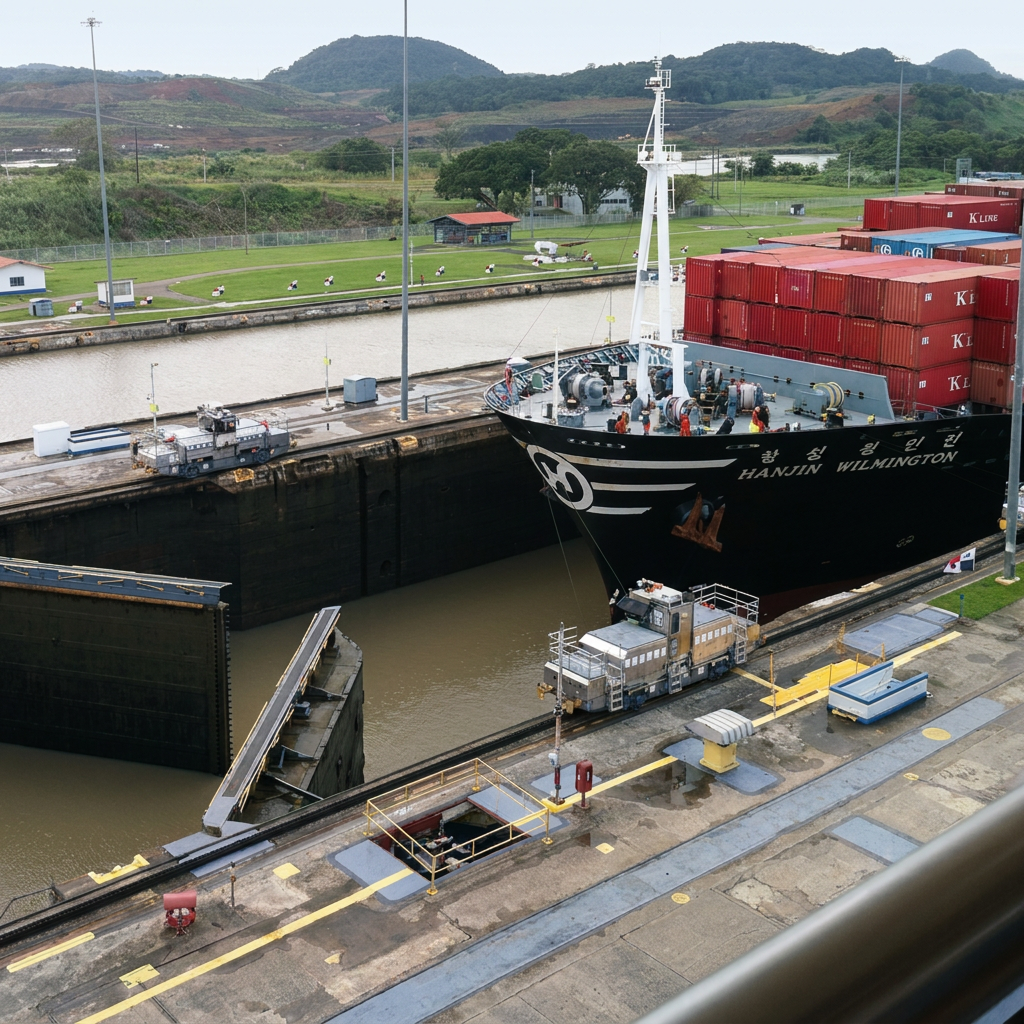
The canal does not cut across Panama at sea level. Ships are lifted about twenty-six metres to Gatun Lake, a lake made by damming a river in the middle of the country. They sail across it and are lowered again on the other side. A canal that works like this, climbing in steps of water, is called a lock canal. Miraflores has the two lowest steps on the Pacific side. Each step is a chamber about three hundred metres long and thirty-three metres wide, and every chamber has a twin beside it, so one ship can go up while another comes down. The steel gates here are the tallest in the canal, and the reason is the Pacific. Its tides rise and fall much more than the Caribbean's, so depending on the tide, Miraflores has to lift a ship anywhere from thirteen to twenty metres. What lifts the ship is water. And not a single pump moves that water, here or anywhere else in the canal. When a chamber has to fill, valves open, and water from the lake above runs down through huge tunnels inside the walls and comes up through openings in the chamber floor. The ship simply floats up. To lower it, the water is let out toward the sea. The price is fresh water. Every ship that crosses sends around two hundred million litres of lake water out into the ocean. Ships move under their own engines, but they are not left to steer alone in a chamber with so little room to spare. Small electric locomotives run on rails along the top of the walls, keeping each ship centred and helping to brake it. People call them mules, after the animals that once carried loads across the isthmus.

A reflection for you
Caribbean labourers helped build the canal. Most were paid less than white Americans, with separate housing, schools and clubs. Is there a place where your work is needed, but you do not feel accepted for who you are? And have you ever seen someone only in terms of what they could do for you?

 1×1×
BEHIND EVERY PLACE
The people the plaques leave out.
A plaque gives you a date and a name. Here, you get the person, and the ideas that shaped Panama City come with the story.
Miraflores Locks
- Caribbean builders paid in silver
Casco Viejo
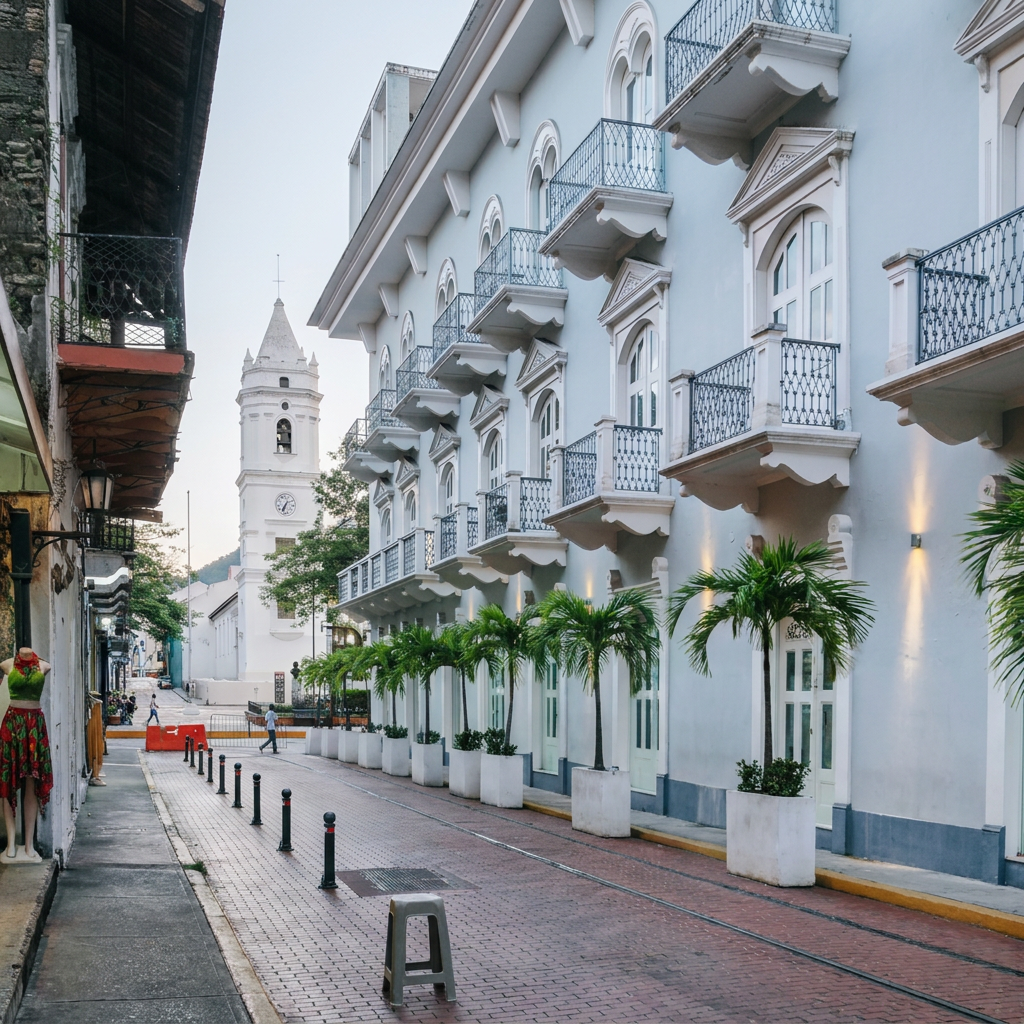
- Tenants who refused to leave
Panama Viejo
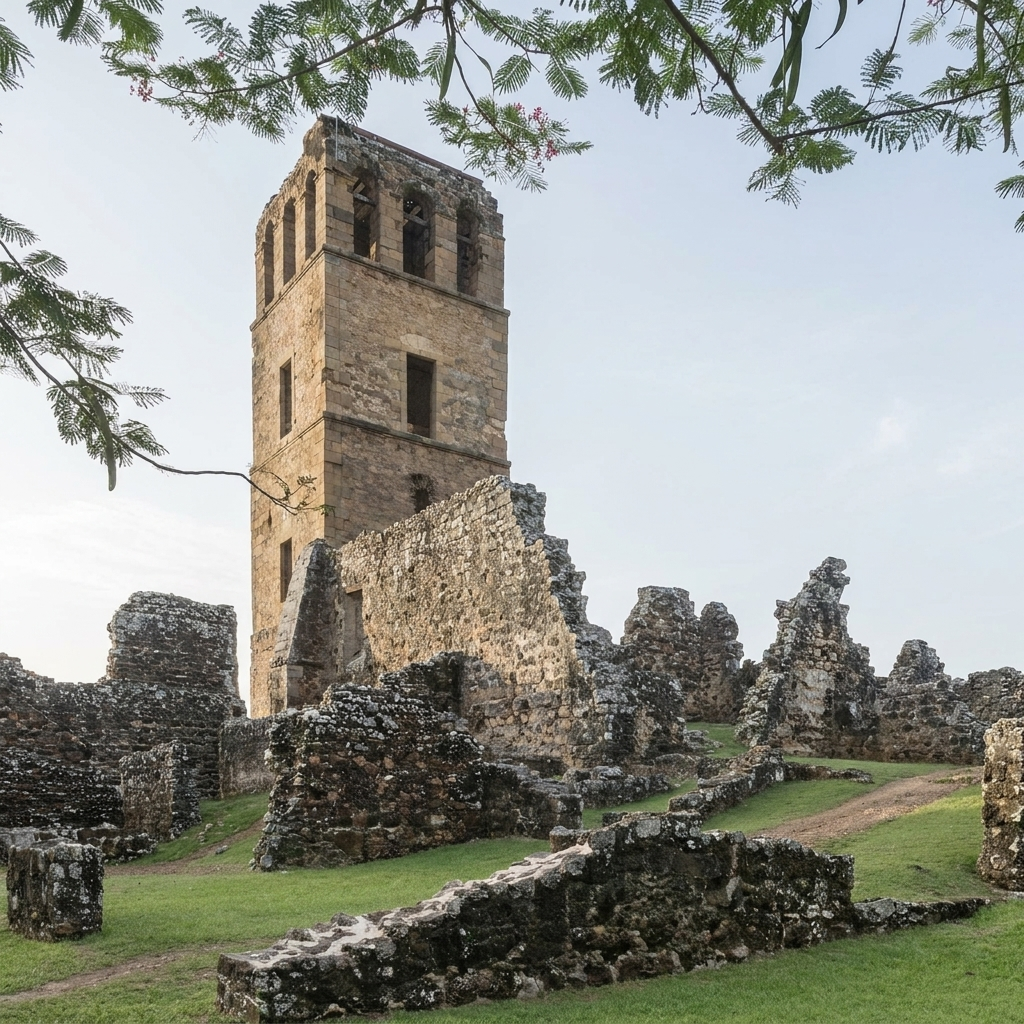
- A privateer sacks the city
Amador Causeway
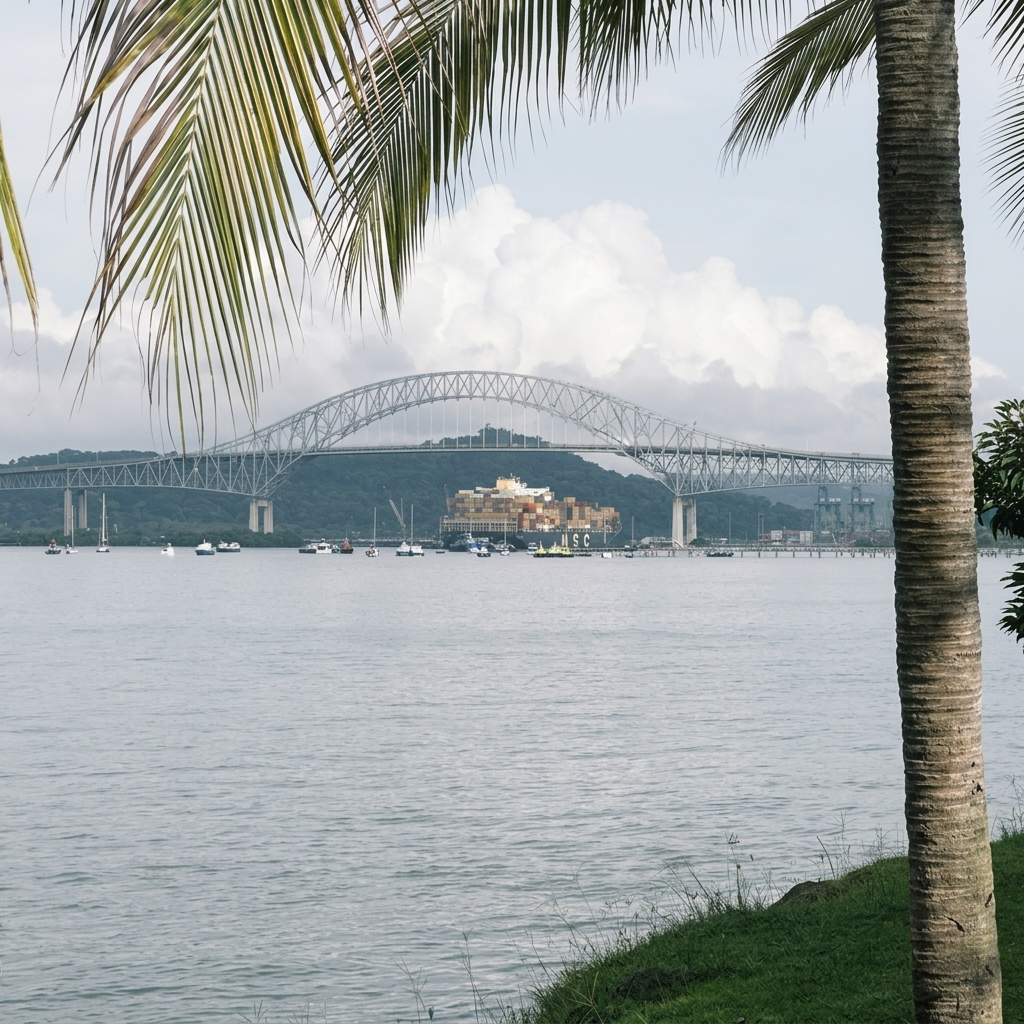
- Soldiers' families lost to cholera
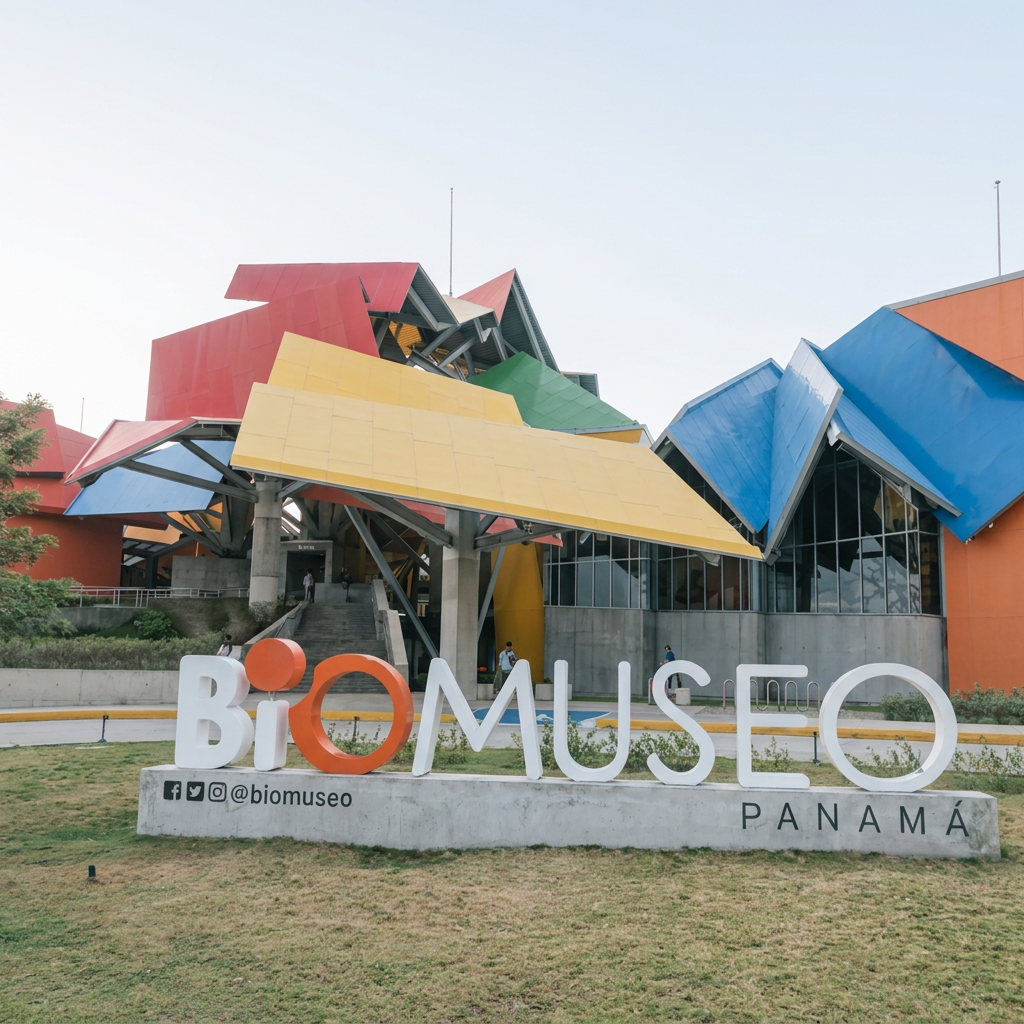
Biomuseo
- Fossil hunters chase canal blasts
16 more places in Panama City
Ancon Hill · Cinta Costera · Metropolitan Natural Park · Soberania National Park · Mercado de Mariscos · Mola Museum · Casco Viejo · Panama Canal Museum · Casco Viejo · San José Church · Casco Viejo · Panama Metropolitan Cathedral · Casco Viejo · Plaza de Francia · Casco Viejo · Plaza de la Independencia · Casco Viejo · Plaza Bolívar · Casco Viejo · Plaza Herrera · Casco Viejo · Las Bóvedas · Casco Viejo · National Theatre of Panama · Casco Viejo · Convento de Santo Domingo
HOW IT WORKS
Walk near a place.
The story finds you.
Get a notification when you’re near a story place. Tap to listen.
Miraflores Locks
nowJust steps away.
Tap to hear the drama.

INSIDE EACH PLACE
From drama,
to idea,
to insight.
For example: the Miraflores Locks.
1. Hear the drama behind the place.
Miraflores Locks
- Caribbean builders paid in silver
In this story, you’ll discover
Chapter 1
A Water Staircase with No Pumps
The canal does not cut across Panama at sea level. Ships are lifted about twenty-six metres to Gatun Lake, a lake made by damming a river in the middle of the country. They sail across it and are lowered again on the other side. A canal that works like this, climbing in steps of water, is called a lock canal. Miraflores has the two lowest steps on the Pacific side. Each step is a chamber about three hundred metres long and thirty-three metres wide, and every chamber has a twin beside it, so one ship can go up while another comes down. The steel gates here are the tallest in the canal, and the reason is the Pacific. Its tides rise and fall much more than the Caribbean's, so depending on the tide, Miraflores has to lift a ship anywhere from thirteen to twenty metres. What lifts the ship is water. And not a single pump moves that water, here or anywhere else in the canal. When a chamber has to fill, valves open, and water from the lake above runs down through huge tunnels inside the walls and comes up through openings in the chamber floor. The ship simply floats up. To lower it, the water is let out toward the sea. The price is fresh water. Every ship that crosses sends around two hundred million litres of lake water out into the ocean. Ships move under their own engines, but they are not left to steer alone in a chamber with so little room to spare. Small electric locomotives run on rails along the top of the walls, keeping each ship centred and helping to brake it. People call them mules, after the animals that once carried loads across the isthmus.
A reflection for you
Caribbean labourers helped build the canal. Most were paid less than white Americans, with separate housing, schools and clubs. Is there a place where your work is needed, but you do not feel accepted for who you are? And have you ever seen someone only in terms of what they could do for you?
1×2. Learn the ideas inside the story.
Miraflores Locks
- Caribbean builders paid in silver
In this story, you’ll discover
Chapter 1
A Water Staircase with No Pumps
The canal does not cut across Panama at sea level. Ships are lifted about twenty-six metres to Gatun Lake, a lake made by damming a river in the middle of the country. They sail across it and are lowered again on the other side. A canal that works like this, climbing in steps of water, is called a lock canal. Miraflores has the two lowest steps on the Pacific side. Each step is a chamber about three hundred metres long and thirty-three metres wide, and every chamber has a twin beside it, so one ship can go up while another comes down. The steel gates here are the tallest in the canal, and the reason is the Pacific. Its tides rise and fall much more than the Caribbean's, so depending on the tide, Miraflores has to lift a ship anywhere from thirteen to twenty metres. What lifts the ship is water. And not a single pump moves that water, here or anywhere else in the canal. When a chamber has to fill, valves open, and water from the lake above runs down through huge tunnels inside the walls and comes up through openings in the chamber floor. The ship simply floats up. To lower it, the water is let out toward the sea. The price is fresh water. Every ship that crosses sends around two hundred million litres of lake water out into the ocean. Ships move under their own engines, but they are not left to steer alone in a chamber with so little room to spare. Small electric locomotives run on rails along the top of the walls, keeping each ship centred and helping to brake it. People call them mules, after the animals that once carried loads across the isthmus.
A reflection for you
Caribbean labourers helped build the canal. Most were paid less than white Americans, with separate housing, schools and clubs. Is there a place where your work is needed, but you do not feel accepted for who you are? And have you ever seen someone only in terms of what they could do for you?
1×3. Keep an insight that’s only yours.
Miraflores Locks
- Caribbean builders paid in silver
In this story, you’ll discover
Chapter 1
A Water Staircase with No Pumps
The canal does not cut across Panama at sea level. Ships are lifted about twenty-six metres to Gatun Lake, a lake made by damming a river in the middle of the country. They sail across it and are lowered again on the other side. A canal that works like this, climbing in steps of water, is called a lock canal. Miraflores has the two lowest steps on the Pacific side. Each step is a chamber about three hundred metres long and thirty-three metres wide, and every chamber has a twin beside it, so one ship can go up while another comes down. The steel gates here are the tallest in the canal, and the reason is the Pacific. Its tides rise and fall much more than the Caribbean's, so depending on the tide, Miraflores has to lift a ship anywhere from thirteen to twenty metres. What lifts the ship is water. And not a single pump moves that water, here or anywhere else in the canal. When a chamber has to fill, valves open, and water from the lake above runs down through huge tunnels inside the walls and comes up through openings in the chamber floor. The ship simply floats up. To lower it, the water is let out toward the sea. The price is fresh water. Every ship that crosses sends around two hundred million litres of lake water out into the ocean. Ships move under their own engines, but they are not left to steer alone in a chamber with so little room to spare. Small electric locomotives run on rails along the top of the walls, keeping each ship centred and helping to brake it. People call them mules, after the animals that once carried loads across the isthmus.
A reflection for you
Caribbean labourers helped build the canal. Most were paid less than white Americans, with separate housing, schools and clubs. Is there a place where your work is needed, but you do not feel accepted for who you are? And have you ever seen someone only in terms of what they could do for you?
1×BEFORE YOU GO
FAQ
An audio guide gives you the facts: dates, names, what it was built for. Odys‑say tells you the drama: the people behind the place, what they wanted, and what it cost them. The ideas behind the city come with the story, and it ends with an insight that’s only yours.
The story first: who was here, what they were up against, and what they chose. Then, inside that story, one or two ideas that help you understand the city more deeply, from history and politics to art, religion, and philosophy.
Explore the city as you normally would. When you’re near one of Odys‑say’s story places, your phone can let you know. Tap the notification, and the story is ready to hear right where you are.
The drama stays the same. What changes is what comes at the end. Based on what you chose to reflect on, Odys‑say connects something from the story to a question or insight that feels relevant to you.
Your first story is included. If you want to keep exploring, you can unlock the whole city for $9.99. It’s a one-time purchase, not a subscription.
A deeper way
to travel
Panama City
Human stories at every place,
and what they leave with you.
No subscription.
One-time city purchase.