
YOUR TRAVEL DOCENT
Travel deeper into Porto, through its human stories.
At each place,
- Drama and backstory
- History & ideas behind them
- Insight that’s only yours
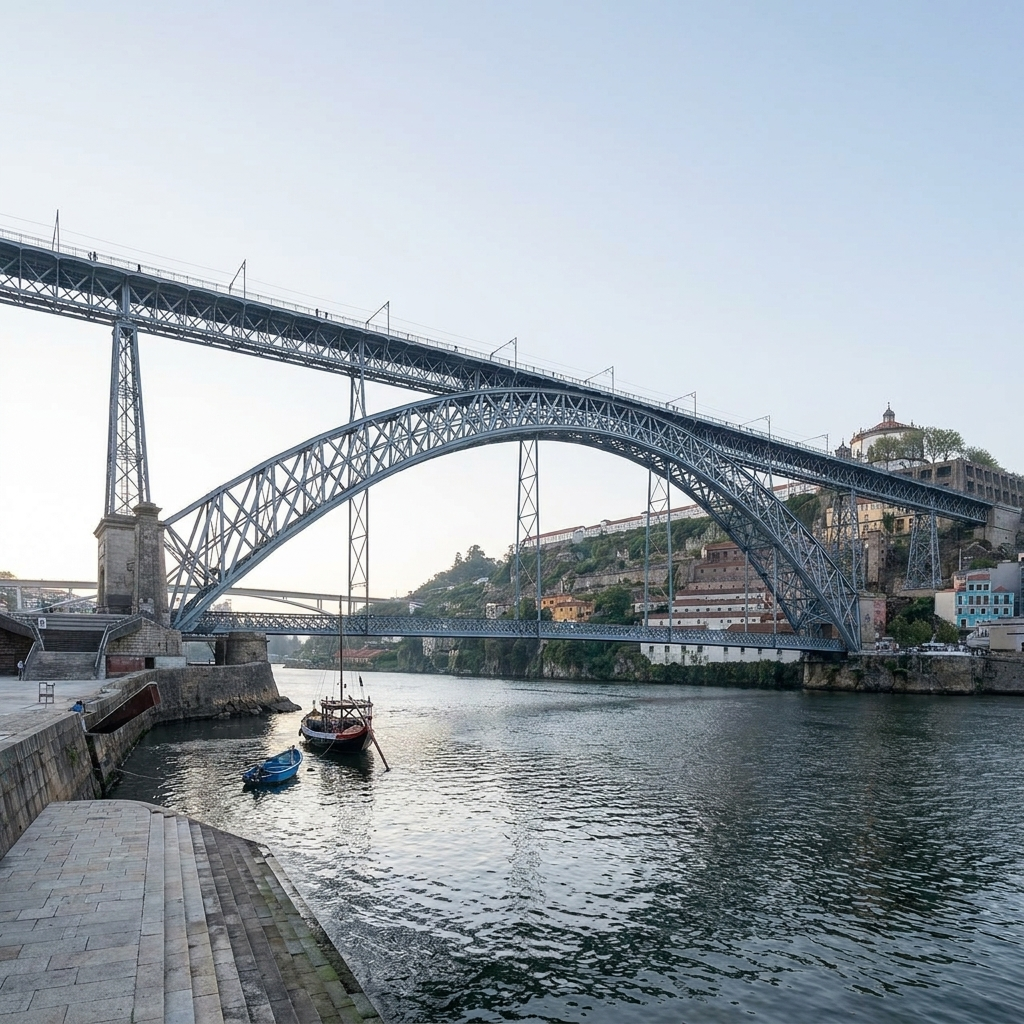
Dom Luís I Bridge
- A spurned partner's bridge
- Diving for coins
In this story, you’ll discover
Chapter 1
The Partner Who Drew Eiffel's Arch
Part of the answer stands about a kilometre away along the river. That's the Maria Pia Bridge, an iron railway bridge that Eiffel's company built a few years before this one. The Douro there ran fast. In a flood, the water could be around twenty metres deep, and the riverbed was a thick layer of gravel. No pier could stand in it. So the bridge had to leap the whole river in a single iron arch. That arch was largely the idea of Eiffel's partner, Théophile Seyrig. He was a brilliant engineer, about ten years younger than Eiffel, and he had invested his own money in the firm. Eiffel himself named Seyrig among the men behind the bridge's calculations and drawings. Still, the Maria Pia was presented to the world as the first great work of Eiffel's company. Under their contract, only Eiffel ran the business. On paper, Seyrig was little more than an employee. When the firm was offered another great viaduct in France, Seyrig asked for a share of the profits. Eiffel refused and broke off their partnership. Seyrig left to work for a rival, a Belgian company in Brussels, and fought Eiffel in court for years without ever receiving any compensation.

A reflection for you
Seyrig left Eiffel's firm, then beat it in the competition to design this bridge. Yet many visitors think it's Eiffel's work. Even the bridge that beat Eiffel gets credited to him. How does learning that its designer was Seyrig, a name you may never have heard, change your admiration? If the bridge hasn't changed but your judgment has, what were you admiring?

 1×1×
BEHIND EVERY PLACE
The people the plaques leave out.
A plaque gives you a date and a name. Here, you get the person, and the ideas that shaped Porto come with the story.
Dom Luís I Bridge
- A spurned partner's bridge
- Diving for coins
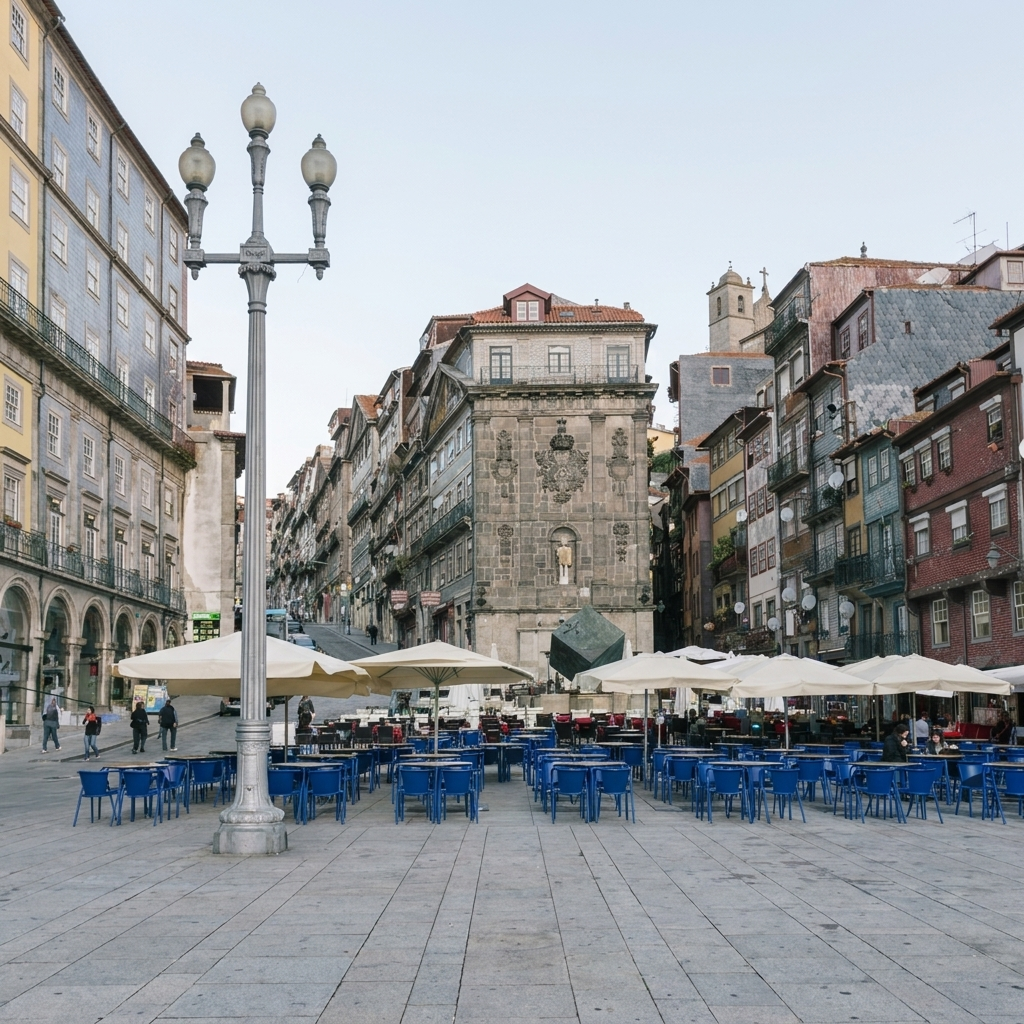
Ribeira Square
- Fleeing crowds sink the boat bridge
- Rescuer of the drowning
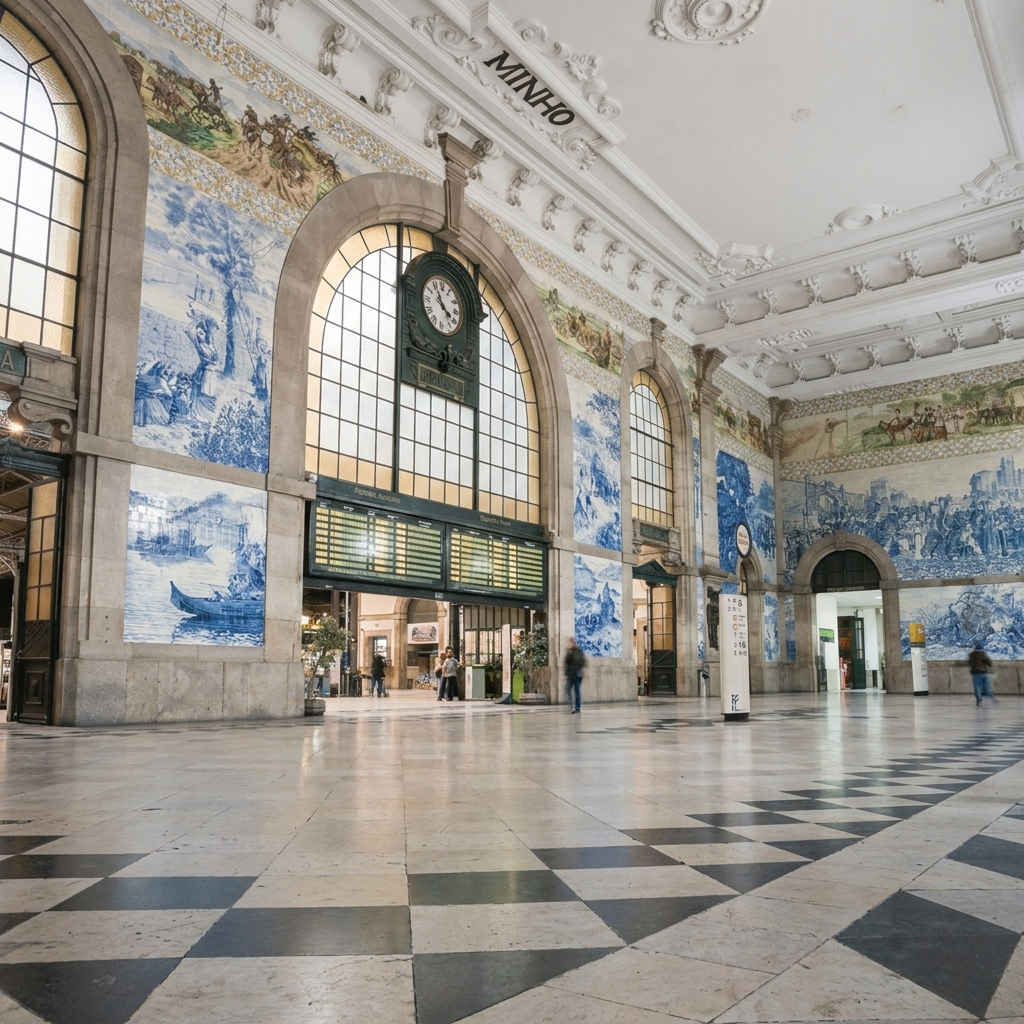
São Bento Station
- Trains after the last nun
- A knight offers his family's lives
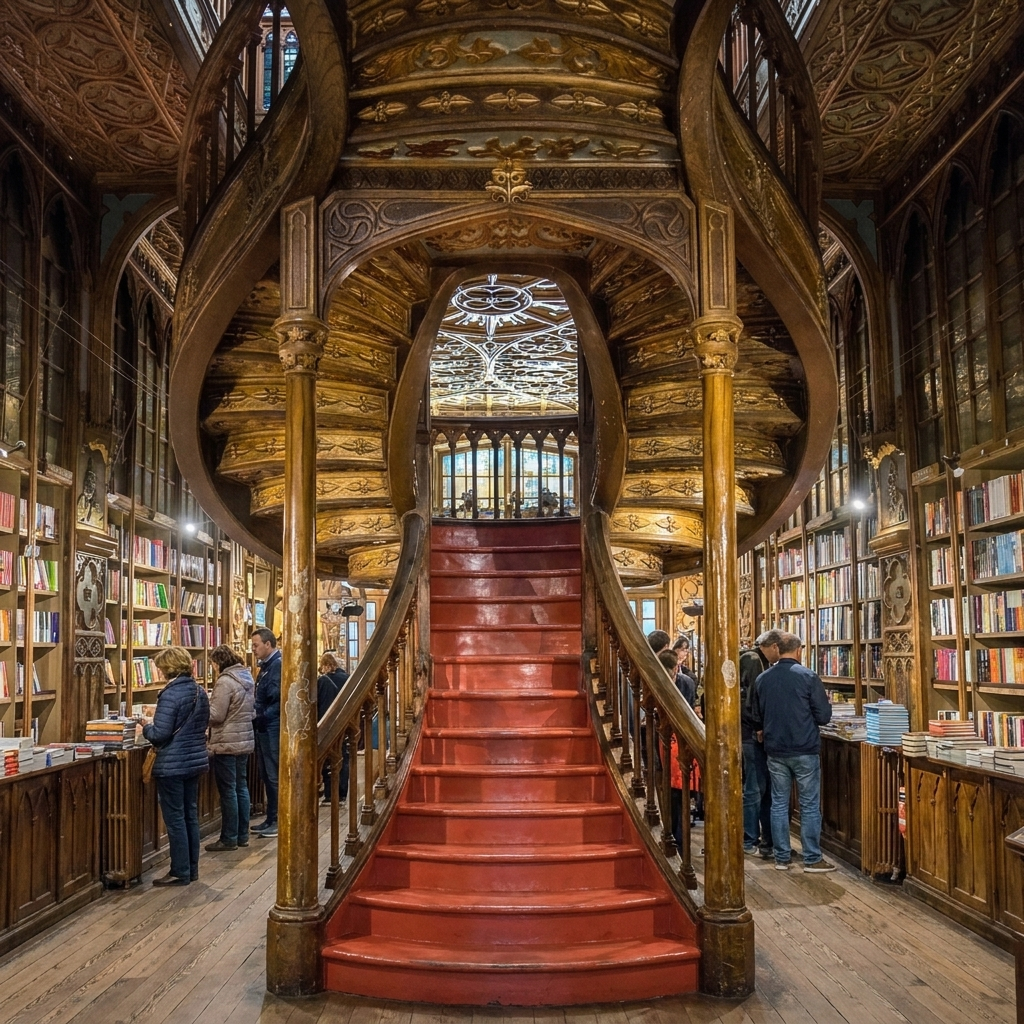
Livraria Lello
- Charging entry to sell books
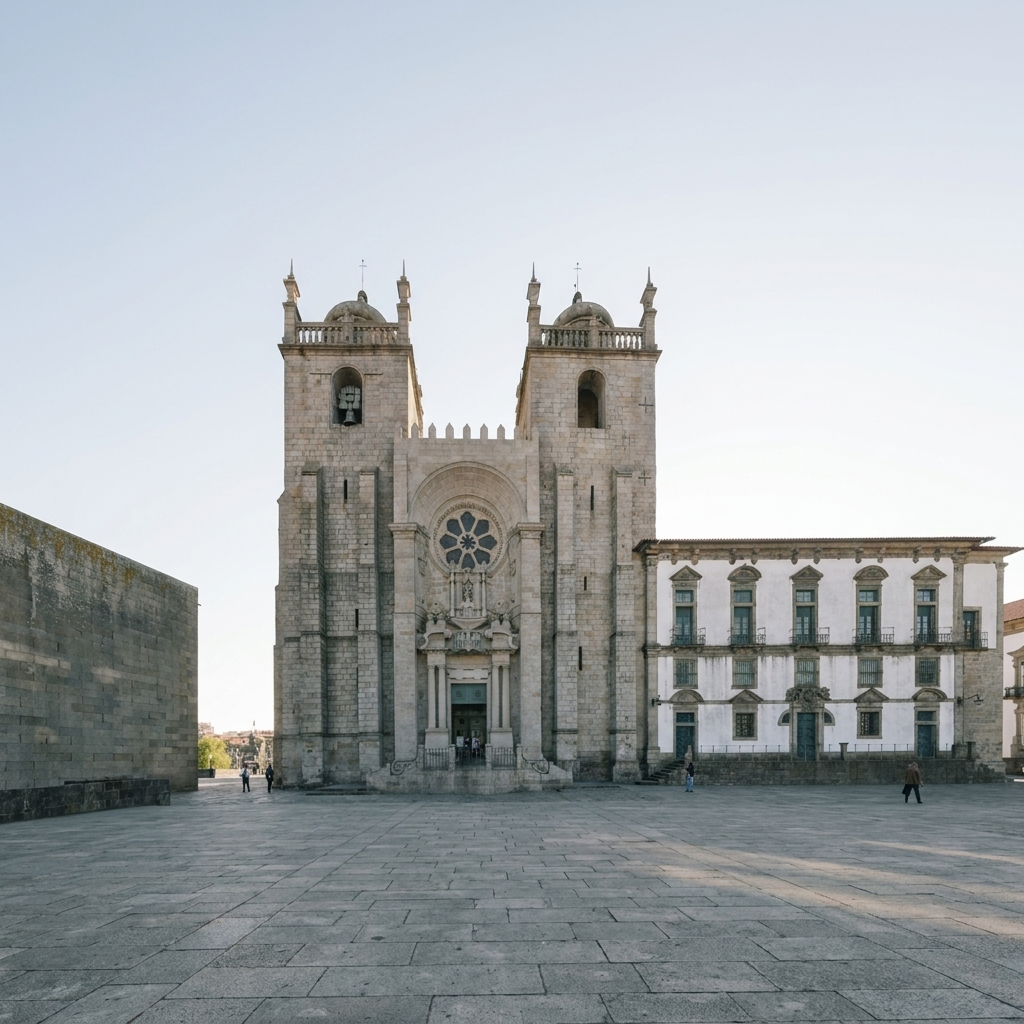
Porto Cathedral
- A bishop-ruled city
- A royal wedding before Lent
17 more places in Porto
Clérigos Tower · Palácio da Bolsa · São Francisco Church · Bolhão Market · Jardim do Morro · Carmo Church · Chapel of Souls · Santo Ildefonso Church · Santa Clara Church · Serralves Museum · Soares dos Reis National Museum · Crystal Palace Gardens · Serra do Pilar Viewpoint · Foz do Douro (Seaside District) · Casa do Infante (Museum) · Pinhais Cannery · Liberdade Square
HOW IT WORKS
Walk near a place.
The story finds you.
Get a notification when you’re near a story place. Tap to listen.
Dom Luís I Bridge
nowJust steps away.
Tap to hear the drama.

INSIDE EACH PLACE
From drama,
to idea,
to insight.
For example: the Dom Luís I Bridge.
1. Hear the drama behind the place.
Dom Luís I Bridge
- A spurned partner's bridge
- Diving for coins
In this story, you’ll discover
Chapter 1
The Partner Who Drew Eiffel's Arch
Part of the answer stands about a kilometre away along the river. That's the Maria Pia Bridge, an iron railway bridge that Eiffel's company built a few years before this one. The Douro there ran fast. In a flood, the water could be around twenty metres deep, and the riverbed was a thick layer of gravel. No pier could stand in it. So the bridge had to leap the whole river in a single iron arch. That arch was largely the idea of Eiffel's partner, Théophile Seyrig. He was a brilliant engineer, about ten years younger than Eiffel, and he had invested his own money in the firm. Eiffel himself named Seyrig among the men behind the bridge's calculations and drawings. Still, the Maria Pia was presented to the world as the first great work of Eiffel's company. Under their contract, only Eiffel ran the business. On paper, Seyrig was little more than an employee. When the firm was offered another great viaduct in France, Seyrig asked for a share of the profits. Eiffel refused and broke off their partnership. Seyrig left to work for a rival, a Belgian company in Brussels, and fought Eiffel in court for years without ever receiving any compensation.
A reflection for you
Seyrig left Eiffel's firm, then beat it in the competition to design this bridge. Yet many visitors think it's Eiffel's work. Even the bridge that beat Eiffel gets credited to him. How does learning that its designer was Seyrig, a name you may never have heard, change your admiration? If the bridge hasn't changed but your judgment has, what were you admiring?
1×2. Learn the ideas inside the story.
Dom Luís I Bridge
- A spurned partner's bridge
- Diving for coins
In this story, you’ll discover
Chapter 1
The Partner Who Drew Eiffel's Arch
Part of the answer stands about a kilometre away along the river. That's the Maria Pia Bridge, an iron railway bridge that Eiffel's company built a few years before this one. The Douro there ran fast. In a flood, the water could be around twenty metres deep, and the riverbed was a thick layer of gravel. No pier could stand in it. So the bridge had to leap the whole river in a single iron arch. That arch was largely the idea of Eiffel's partner, Théophile Seyrig. He was a brilliant engineer, about ten years younger than Eiffel, and he had invested his own money in the firm. Eiffel himself named Seyrig among the men behind the bridge's calculations and drawings. Still, the Maria Pia was presented to the world as the first great work of Eiffel's company. Under their contract, only Eiffel ran the business. On paper, Seyrig was little more than an employee. When the firm was offered another great viaduct in France, Seyrig asked for a share of the profits. Eiffel refused and broke off their partnership. Seyrig left to work for a rival, a Belgian company in Brussels, and fought Eiffel in court for years without ever receiving any compensation.
A reflection for you
Seyrig left Eiffel's firm, then beat it in the competition to design this bridge. Yet many visitors think it's Eiffel's work. Even the bridge that beat Eiffel gets credited to him. How does learning that its designer was Seyrig, a name you may never have heard, change your admiration? If the bridge hasn't changed but your judgment has, what were you admiring?
1×3. Keep an insight that’s only yours.
Dom Luís I Bridge
- A spurned partner's bridge
- Diving for coins
In this story, you’ll discover
Chapter 1
The Partner Who Drew Eiffel's Arch
Part of the answer stands about a kilometre away along the river. That's the Maria Pia Bridge, an iron railway bridge that Eiffel's company built a few years before this one. The Douro there ran fast. In a flood, the water could be around twenty metres deep, and the riverbed was a thick layer of gravel. No pier could stand in it. So the bridge had to leap the whole river in a single iron arch. That arch was largely the idea of Eiffel's partner, Théophile Seyrig. He was a brilliant engineer, about ten years younger than Eiffel, and he had invested his own money in the firm. Eiffel himself named Seyrig among the men behind the bridge's calculations and drawings. Still, the Maria Pia was presented to the world as the first great work of Eiffel's company. Under their contract, only Eiffel ran the business. On paper, Seyrig was little more than an employee. When the firm was offered another great viaduct in France, Seyrig asked for a share of the profits. Eiffel refused and broke off their partnership. Seyrig left to work for a rival, a Belgian company in Brussels, and fought Eiffel in court for years without ever receiving any compensation.
A reflection for you
Seyrig left Eiffel's firm, then beat it in the competition to design this bridge. Yet many visitors think it's Eiffel's work. Even the bridge that beat Eiffel gets credited to him. How does learning that its designer was Seyrig, a name you may never have heard, change your admiration? If the bridge hasn't changed but your judgment has, what were you admiring?
1×BEFORE YOU GO
FAQ
An audio guide gives you the facts: dates, names, what it was built for. Odys‑say tells you the drama: the people behind the place, what they wanted, and what it cost them. The ideas behind the city come with the story, and it ends with an insight that’s only yours.
The story first: who was here, what they were up against, and what they chose. Then, inside that story, one or two ideas that help you understand the city more deeply, from history and politics to art, religion, and philosophy.
Explore the city as you normally would. When you’re near one of Odys‑say’s story places, your phone can let you know. Tap the notification, and the story is ready to hear right where you are.
The drama stays the same. What changes is what comes at the end. Based on what you chose to reflect on, Odys‑say connects something from the story to a question or insight that feels relevant to you.
Your first story is included. If you want to keep exploring, you can unlock the whole city for $9.99. It’s a one-time purchase, not a subscription.
A deeper way
to travel
Porto
Human stories at every place,
and what they leave with you.
No subscription.
One-time city purchase.