Odys-say

YOUR TRAVEL DOCENT

Travel deeper into Seville, through its human stories.

At each place,

  • Drama and backstory
  • History & ideas behind them
  • Insight that’s only yours
Get Odys‑say

BEHIND EVERY PLACE

The people the plaques leave out.

A plaque gives you a date and a name. Here, you get the person, and the ideas that shaped Seville come with the story.
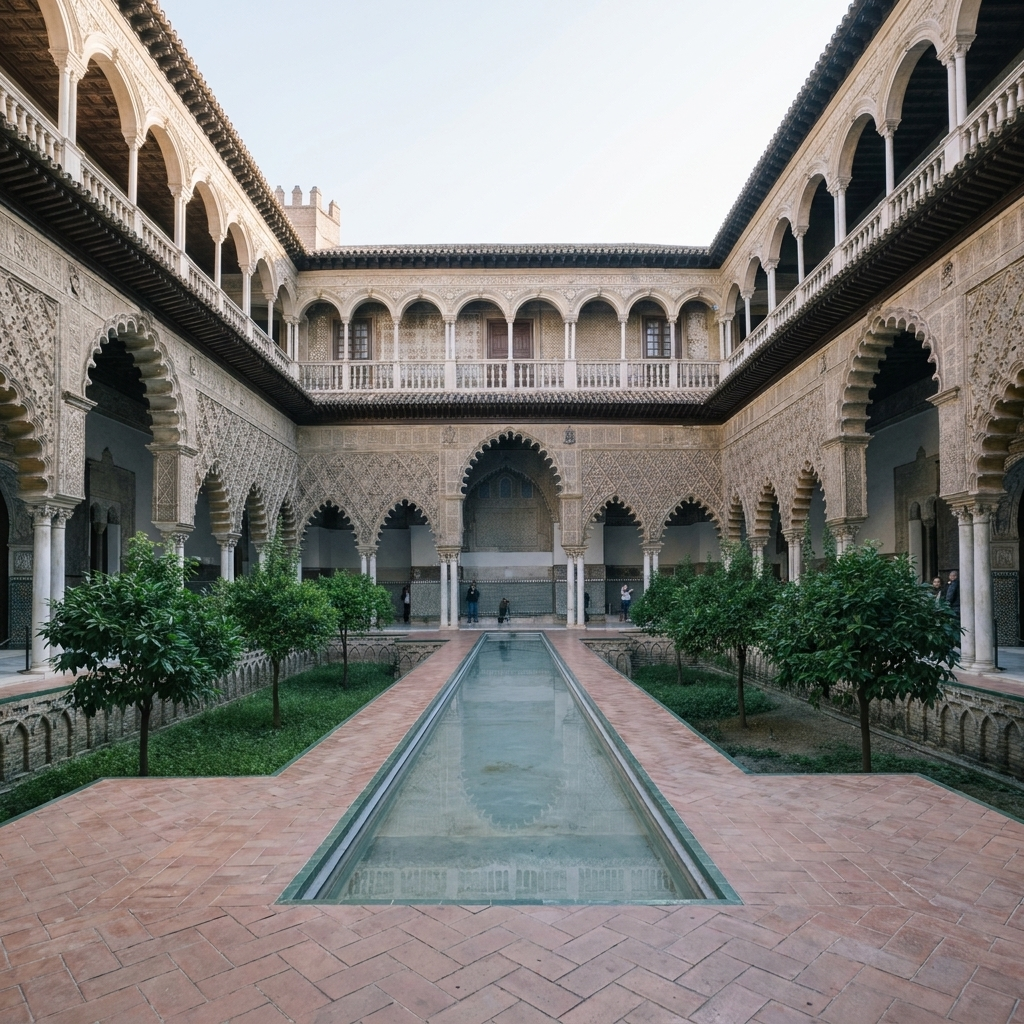
Real Alcázar

Real Alcázar

  • A sultan's killer calls himself sultan
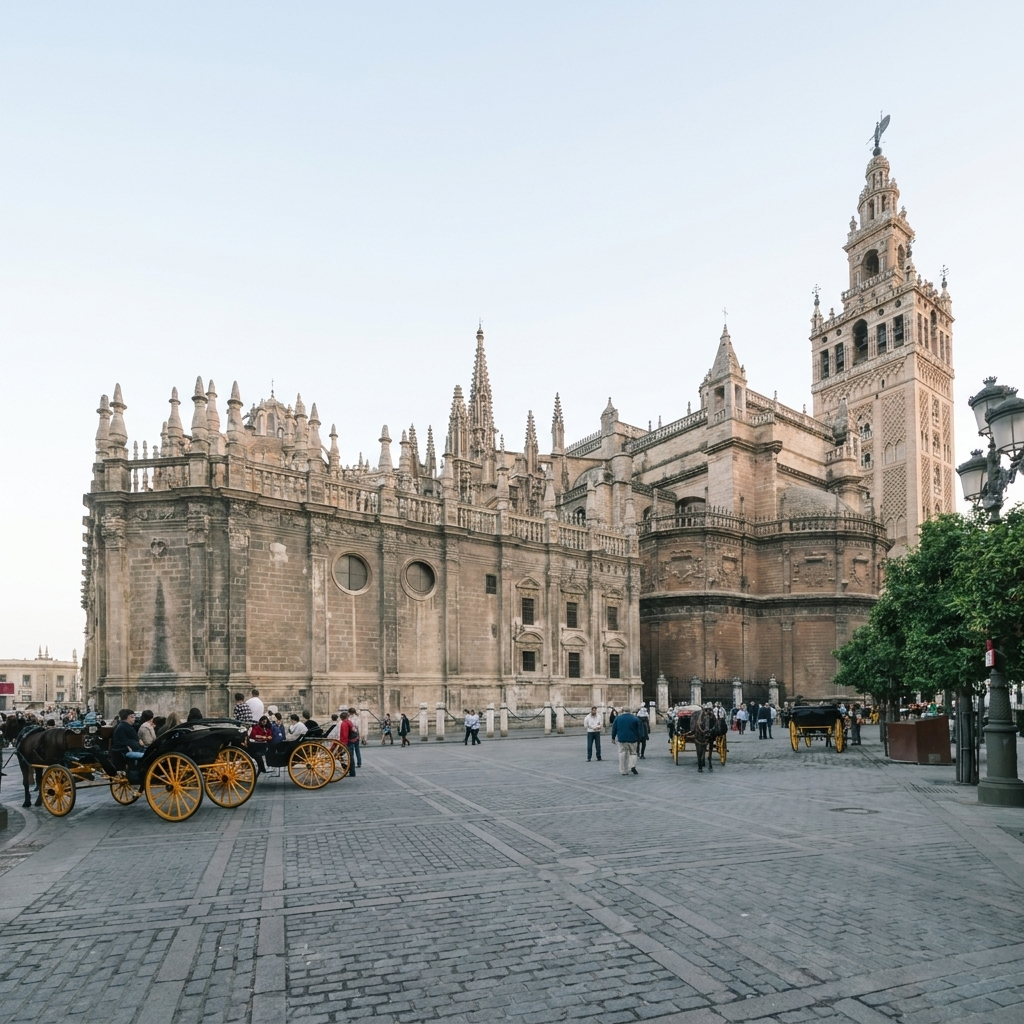
Seville Cathedral

Seville Cathedral

  • The explorer's disputed bones
  • A conqueror's four-language epitaph
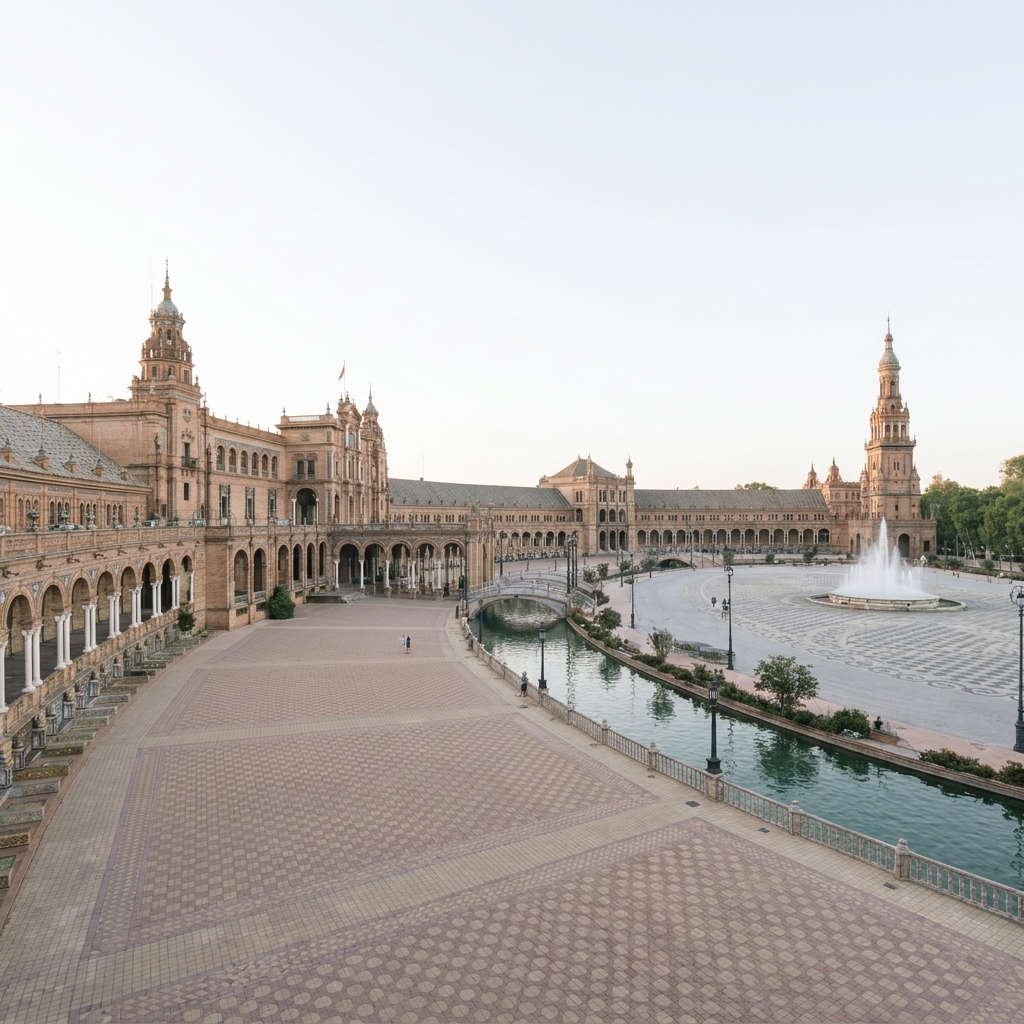
Plaza de España

Plaza de España

  • The architect dies in debt
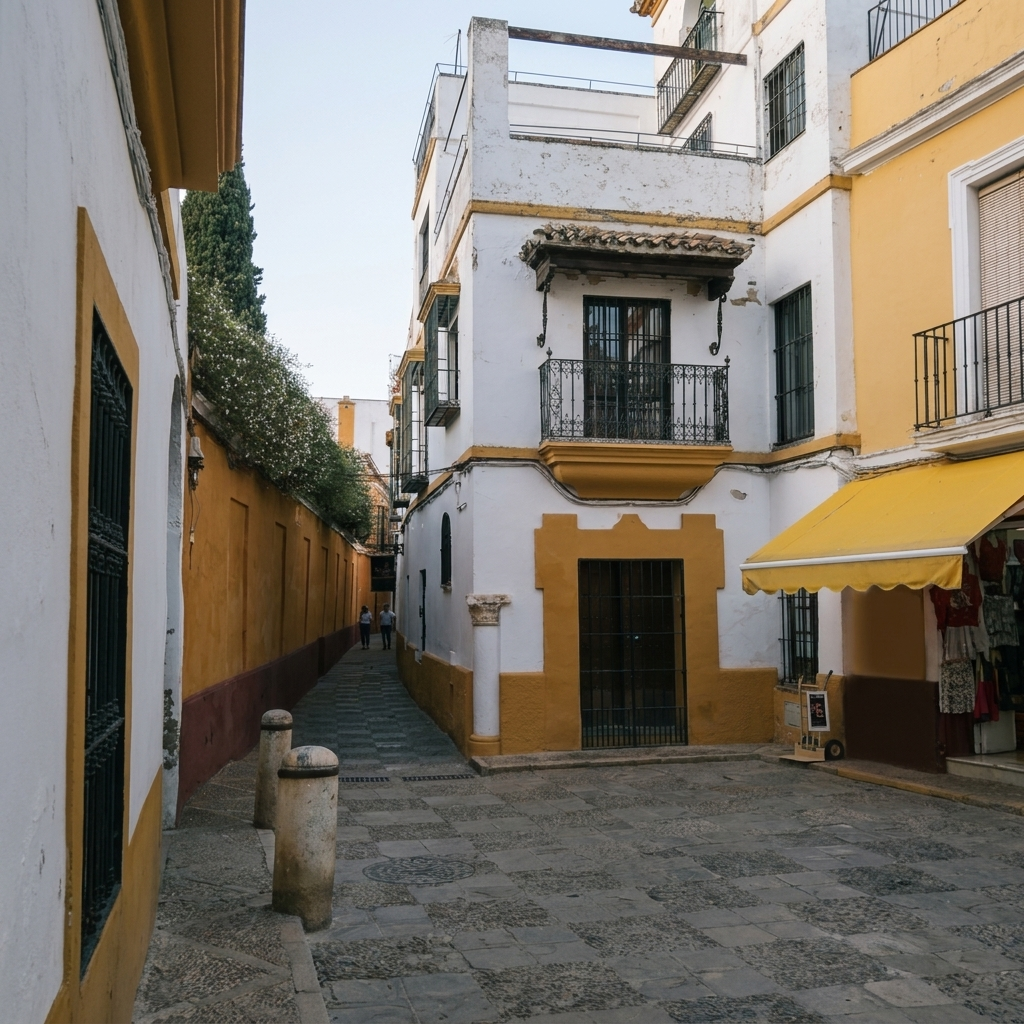
Barrio Santa Cruz

Barrio Santa Cruz

  • Sermons spark a massacre
  • A daughter's skull over the door
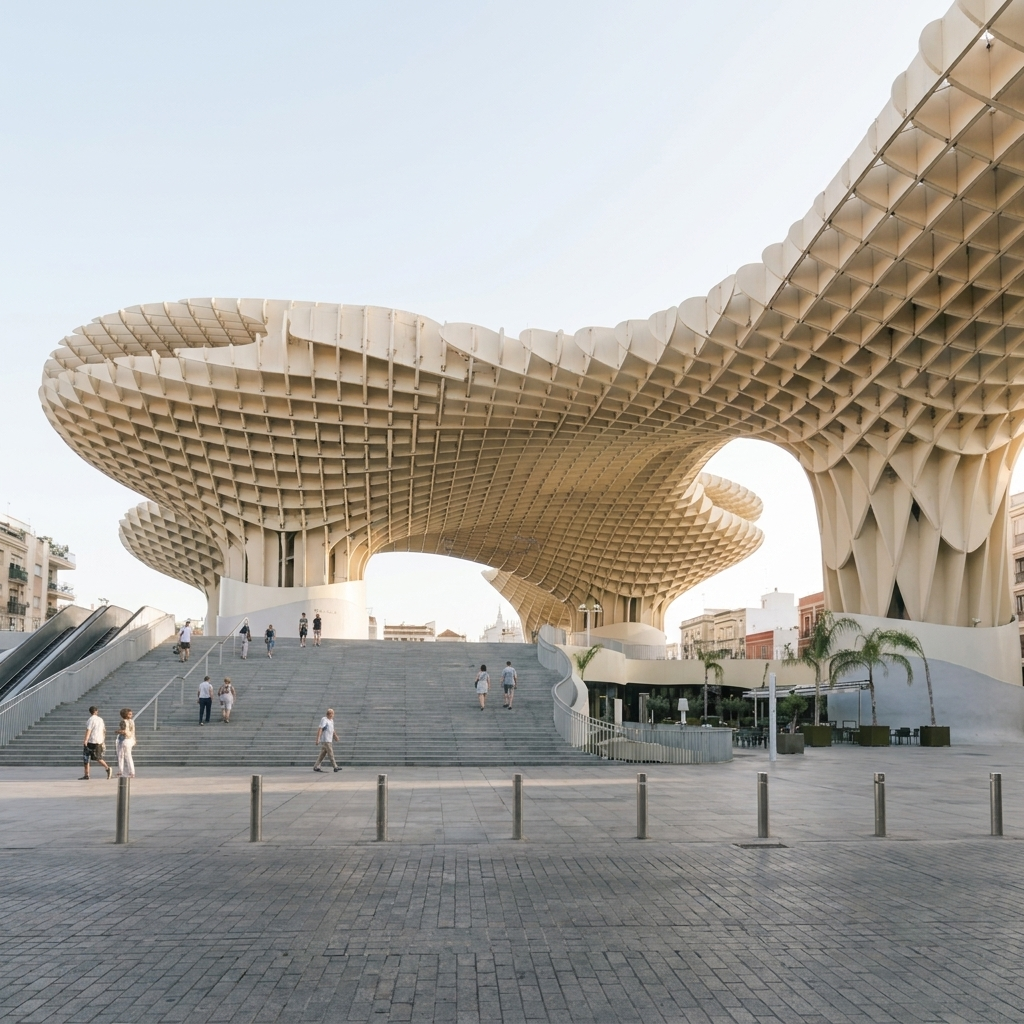
Metropol Parasol (Las Setas)

Metropol Parasol (Las Setas)

  • Promised three years, traders waited 37

17 more places in Seville

Triana · Torre del Oro · Plaza de Toros de la Real Maestranza · Seville Cathedral · Giralda · María Luisa Park · Casa de Pilatos · Archivo General de Indias · Palacio de las Dueñas · Museo de Bellas Artes de Sevilla · Hospital de los Venerables · Basílica de la Macarena · Iglesia del Salvador · Real Fábrica de Tabacos (University of Seville) · Alameda de Hércules · Mercado de Triana · Calle Sierpes · Museo del Baile Flamenco

HOW IT WORKS

Walk near a place.
The story finds you.

Get a notification when you’re near a story place. Tap to listen.

Real Alcázar

now

Just steps away.
Tap to hear the drama.

INSIDE EACH PLACE

From drama,
to idea,
to insight.

Plaza de España

For example: the Plaza de España.

1. Hear the drama behind the place.

Plaza de España

Plaza de España

  • The architect dies in debt

In this story, you’ll discover

Sevillian Regionalist ArchitectureThe Spanish–American War

Chapter 1

An Exhibition for Spain and the Americas

At the end of the nineteenth century, Spain lost the last of its colonies in the Americas. In 1898 it fought a short war with the United States and, under the peace treaty, gave up Cuba and Puerto Rico, along with the Philippines and Guam in the Pacific. Spaniards still call that defeat simply "the Disaster". About ten years later, an army officer in Seville proposed a great exhibition to bring Spain and the countries of Latin America together again: the mother country and the nations it had once governed. The plan was to open within a few years, and Seville needed someone to design it all. In 1911, the organisers chose a local architect in his mid-thirties, Aníbal González, and put him in charge of the works. The style he was shaping drew on the city's own past.

A reflection for you

González designed Plaza de España, which became one of Seville's landmarks, but he died in debt. The city's people raised money to provide his family with a home. After the man who gave the city a space to share was gone, its people provided a space for his family to live. Here, remembering him became a way of caring for the family he left behind.

2. Learn the ideas inside the story.

Plaza de España

Plaza de España

  • The architect dies in debt

In this story, you’ll discover

Sevillian Regionalist ArchitectureThe Spanish–American War

Chapter 1

An Exhibition for Spain and the Americas

At the end of the nineteenth century, Spain lost the last of its colonies in the Americas. In 1898 it fought a short war with the United States and, under the peace treaty, gave up Cuba and Puerto Rico, along with the Philippines and Guam in the Pacific. Spaniards still call that defeat simply "the Disaster". About ten years later, an army officer in Seville proposed a great exhibition to bring Spain and the countries of Latin America together again: the mother country and the nations it had once governed. The plan was to open within a few years, and Seville needed someone to design it all. In 1911, the organisers chose a local architect in his mid-thirties, Aníbal González, and put him in charge of the works. The style he was shaping drew on the city's own past.

A reflection for you

González designed Plaza de España, which became one of Seville's landmarks, but he died in debt. The city's people raised money to provide his family with a home. After the man who gave the city a space to share was gone, its people provided a space for his family to live. Here, remembering him became a way of caring for the family he left behind.

3. Keep an insight that’s only yours.

Plaza de España

Plaza de España

  • The architect dies in debt

In this story, you’ll discover

Sevillian Regionalist ArchitectureThe Spanish–American War

Chapter 1

An Exhibition for Spain and the Americas

At the end of the nineteenth century, Spain lost the last of its colonies in the Americas. In 1898 it fought a short war with the United States and, under the peace treaty, gave up Cuba and Puerto Rico, along with the Philippines and Guam in the Pacific. Spaniards still call that defeat simply "the Disaster". About ten years later, an army officer in Seville proposed a great exhibition to bring Spain and the countries of Latin America together again: the mother country and the nations it had once governed. The plan was to open within a few years, and Seville needed someone to design it all. In 1911, the organisers chose a local architect in his mid-thirties, Aníbal González, and put him in charge of the works. The style he was shaping drew on the city's own past.

A reflection for you

González designed Plaza de España, which became one of Seville's landmarks, but he died in debt. The city's people raised money to provide his family with a home. After the man who gave the city a space to share was gone, its people provided a space for his family to live. Here, remembering him became a way of caring for the family he left behind.

BEFORE YOU GO

FAQ

An audio guide gives you the facts: dates, names, what it was built for. Odys‑say tells you the drama: the people behind the place, what they wanted, and what it cost them. The ideas behind the city come with the story, and it ends with an insight that’s only yours.

The story first: who was here, what they were up against, and what they chose. Then, inside that story, one or two ideas that help you understand the city more deeply, from history and politics to art, religion, and philosophy.

Explore the city as you normally would. When you’re near one of Odys‑say’s story places, your phone can let you know. Tap the notification, and the story is ready to hear right where you are.

The drama stays the same. What changes is what comes at the end. Based on what you chose to reflect on, Odys‑say connects something from the story to a question or insight that feels relevant to you.

Your first story is included. If you want to keep exploring, you can unlock the whole city for $9.99. It’s a one-time purchase, not a subscription.

A deeper way
to travel
Seville

Human stories at every place,
and what they leave with you.

Get Odys‑say

No subscription.
One-time city purchase.