
YOUR TRAVEL DOCENT
Travel deeper into Sydney, through its human stories.
At each place,
- Drama and backstory
- History & ideas behind them
- Insight that’s only yours
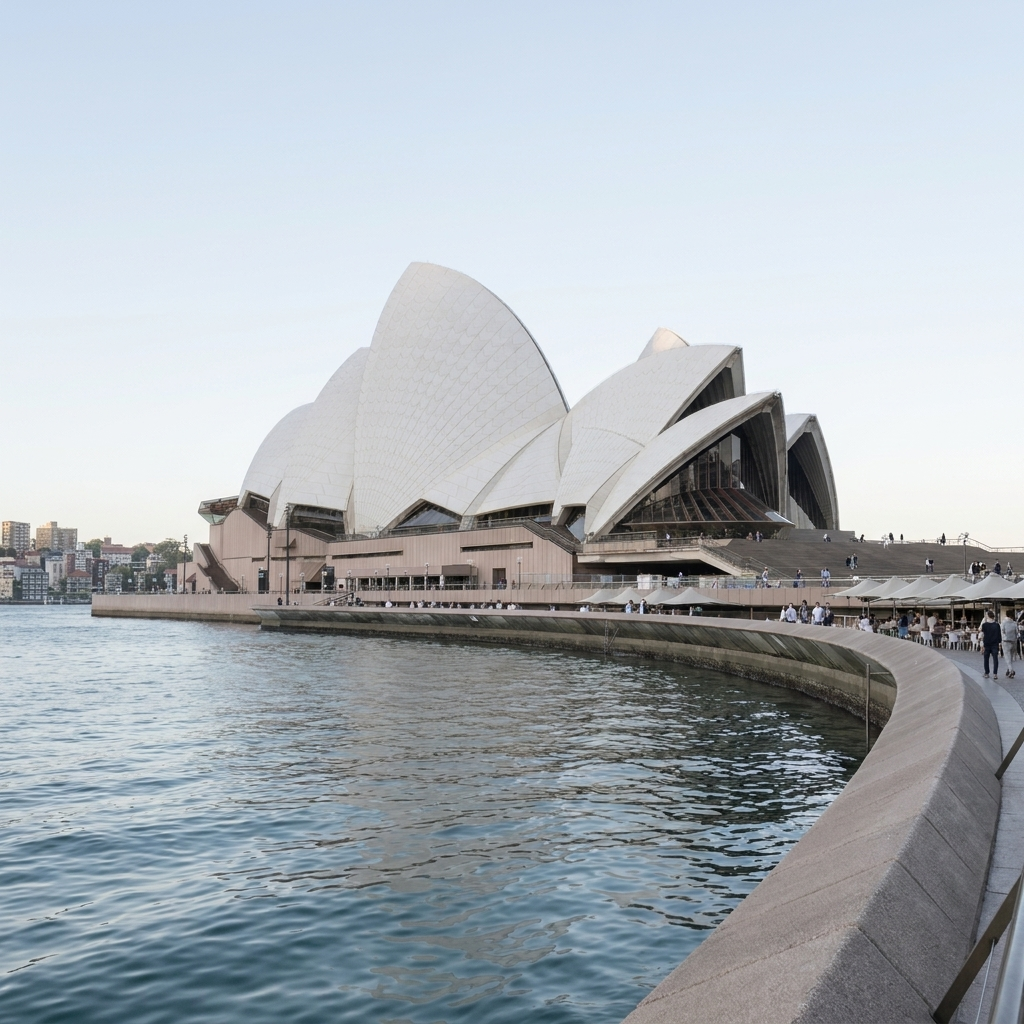
Sydney Opera House
- The architect who never returned
In this story, you’ll discover
Chapter 1
A Design From an Unknown Dane
In the 1950s, the conductor of the Sydney Symphony Orchestra and the state premier agreed that Sydney needed a great hall for music. They chose this point, where a tram depot stood at the time, and opened an international design competition. Architects from some thirty countries sent in 233 entries. In 1957 the winner was announced: Jørn Utzon, a 38-year-old Danish architect who had never built anything outside Denmark. The story often told is that one of the judges, the architect Eero Saarinen, found Utzon's drawings among the rejected entries and argued for them. What Utzon had drawn was less a building than an idea: a broad platform at the water's edge, with great curved shells above it. The government promised it would be finished within about six years. Work began two years after the competition, before anyone knew how those shells could actually stand up. The money came from the people of New South Wales, through a special Opera House lottery. It kept running long after the building opened, and in the end its tickets raised almost the whole cost.

A reflection for you
The story goes that one judge found Utzon's drawings among the rejected entries and argued for them. The design that had been passed over became the face of Australia. Is there someone in your life you feel you've already figured out? What might you notice if you gave them the same second look?

 1×1×
BEHIND EVERY PLACE
The people the plaques leave out.
A plaque gives you a date and a name. Here, you get the person, and the ideas that shaped Sydney come with the story.
Sydney Opera House
- The architect who never returned
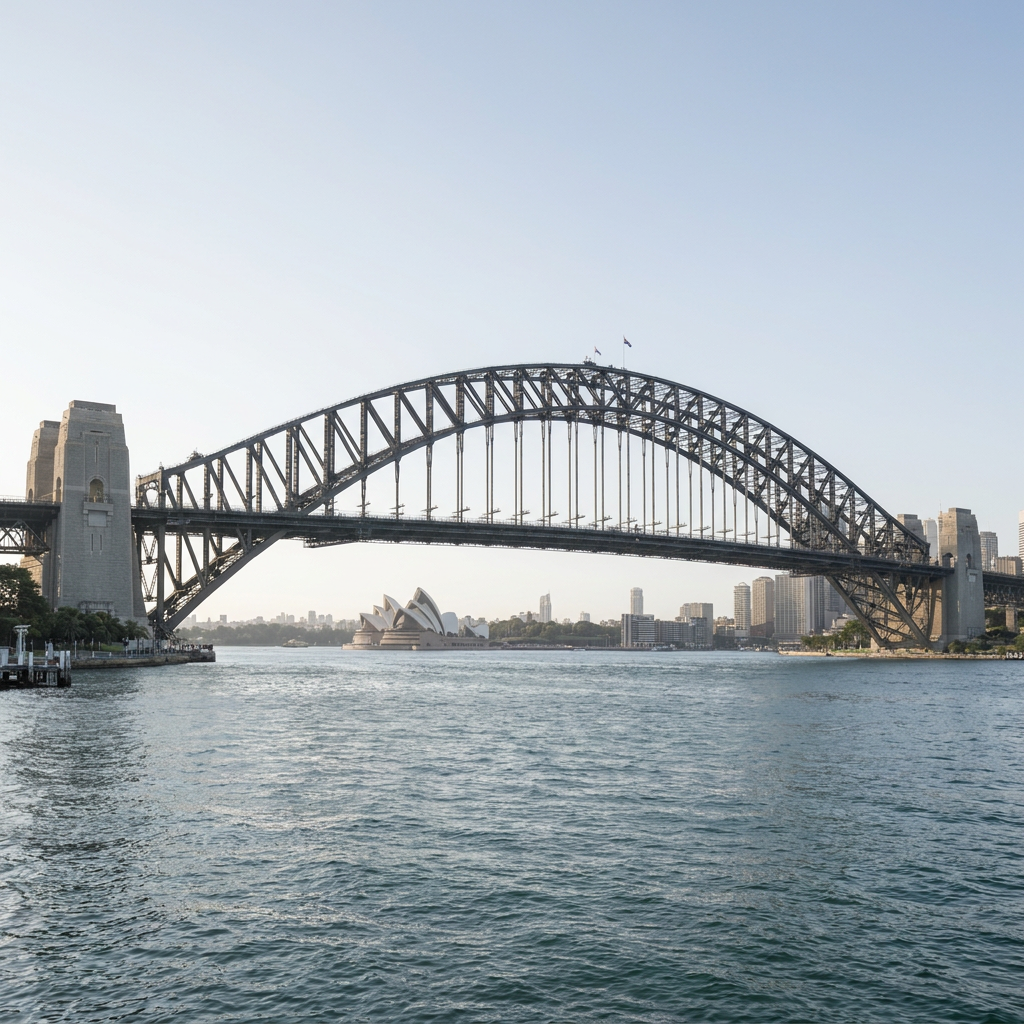
Sydney Harbour Bridge
- Beating the premier to the ribbon
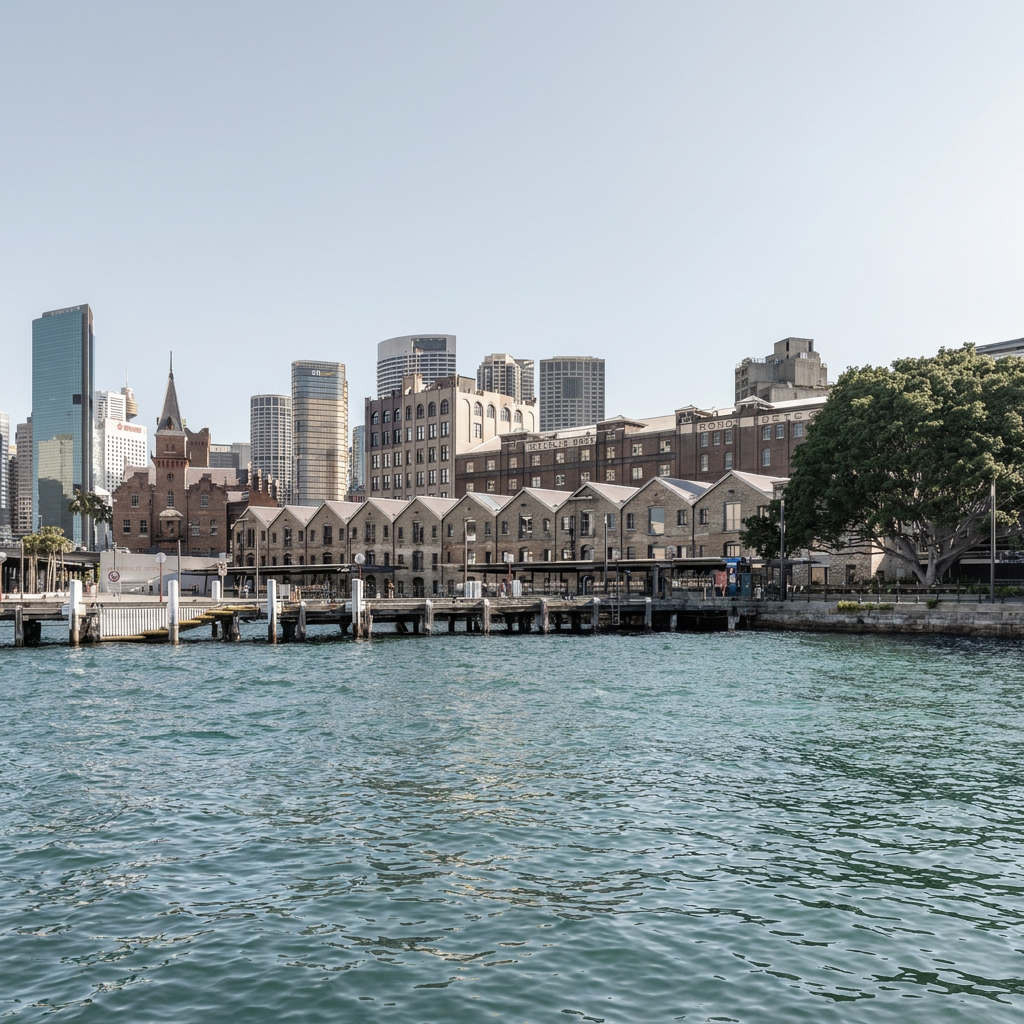
The Rocks
- Builders refuse the demolition
- The last tenant holds out
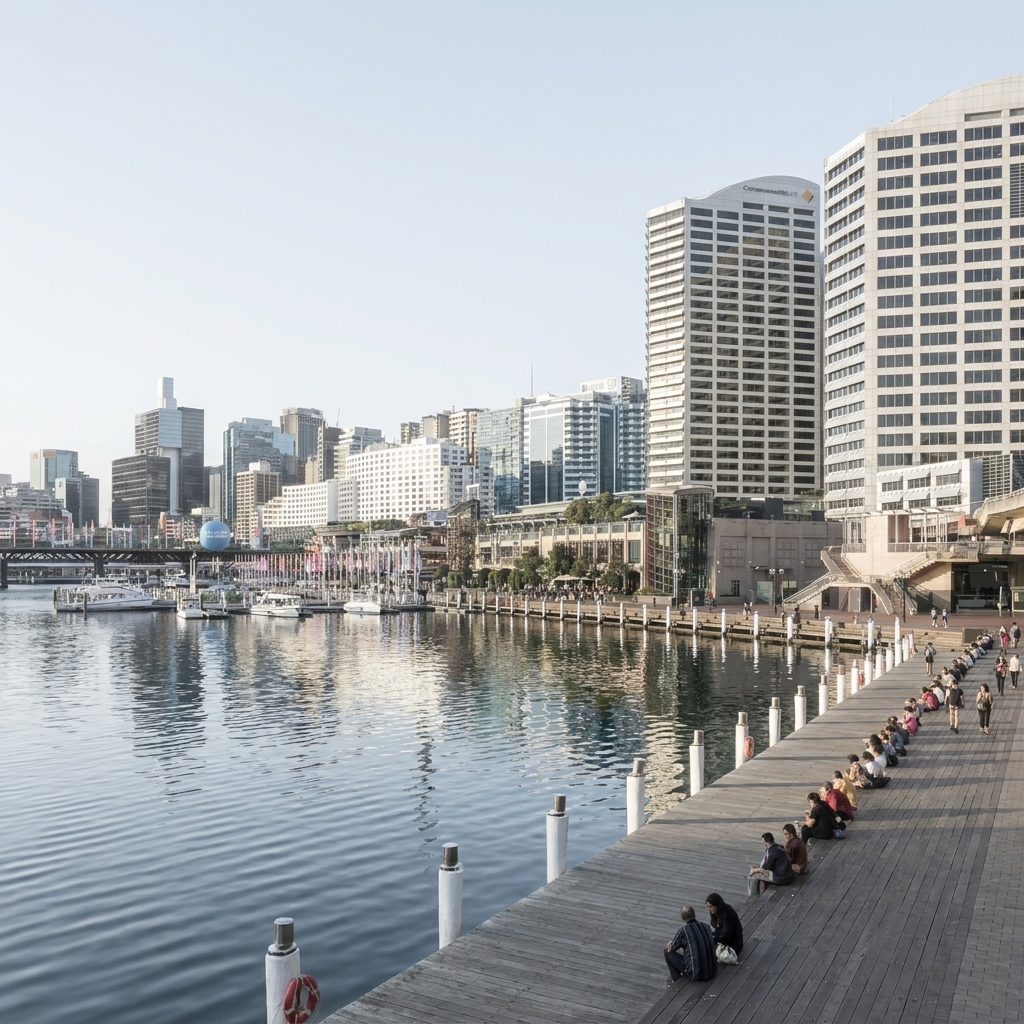
Darling Harbour
- The monorail Sydney loved to hate
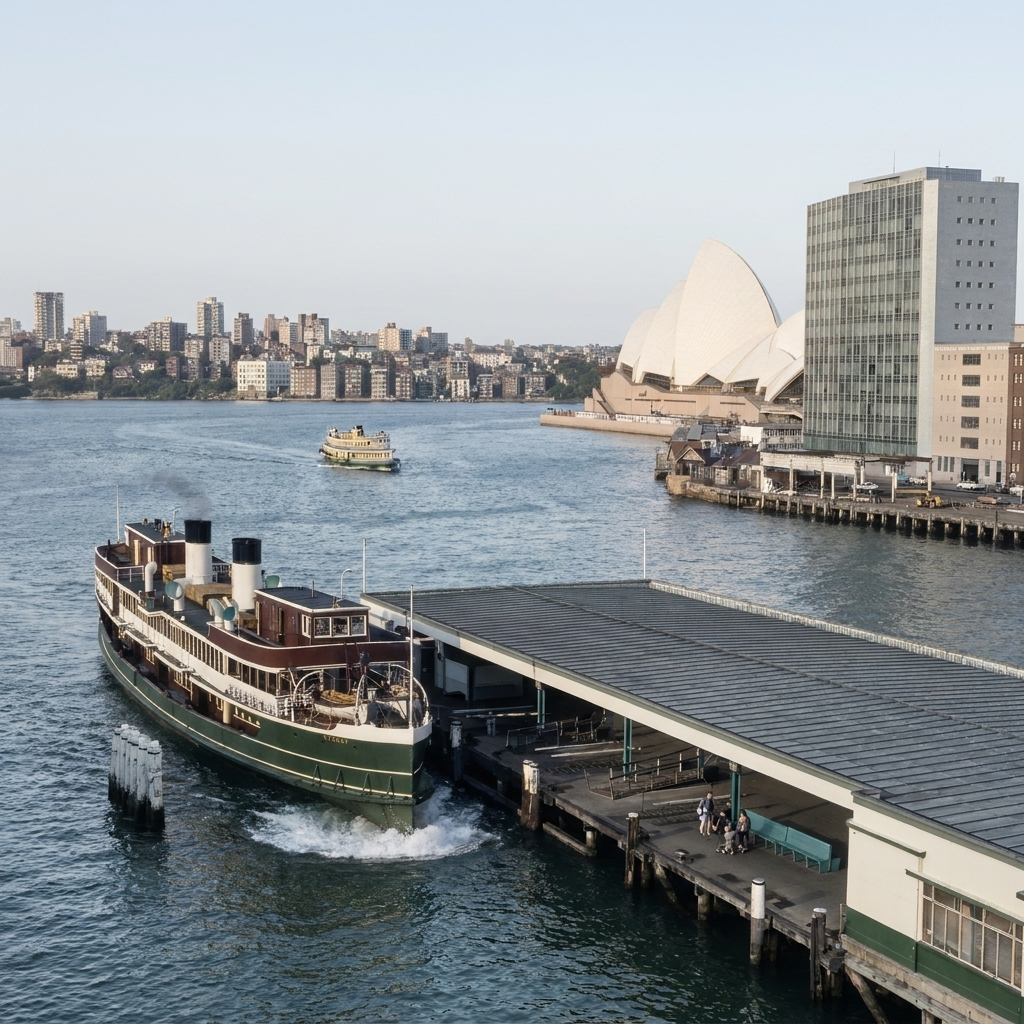
Circular Quay
- A poem for a drowned friend
17 more places in Sydney
Royal Botanic Garden Sydney · Art Gallery of New South Wales · St Mary's Cathedral · Queen Victoria Building · Hyde Park · Three Sisters · Hyde Park Barracks · Australian National Maritime Museum · Australian Museum · Sydney Observatory · Mrs Macquarie's Chair · Museum of Sydney · Sydney Chinatown · Royal National Park · Hyde Park · Anzac Memorial · Stockton Bight Sand Dunes · Scenic World
HOW IT WORKS
Walk near a place.
The story finds you.
Get a notification when you’re near a story place. Tap to listen.
Sydney Opera House
nowJust steps away.
Tap to hear the drama.

INSIDE EACH PLACE
From drama,
to idea,
to insight.
For example: the Sydney Opera House.
1. Hear the drama behind the place.
Sydney Opera House
- The architect who never returned
In this story, you’ll discover
Chapter 1
A Design From an Unknown Dane
In the 1950s, the conductor of the Sydney Symphony Orchestra and the state premier agreed that Sydney needed a great hall for music. They chose this point, where a tram depot stood at the time, and opened an international design competition. Architects from some thirty countries sent in 233 entries. In 1957 the winner was announced: Jørn Utzon, a 38-year-old Danish architect who had never built anything outside Denmark. The story often told is that one of the judges, the architect Eero Saarinen, found Utzon's drawings among the rejected entries and argued for them. What Utzon had drawn was less a building than an idea: a broad platform at the water's edge, with great curved shells above it. The government promised it would be finished within about six years. Work began two years after the competition, before anyone knew how those shells could actually stand up. The money came from the people of New South Wales, through a special Opera House lottery. It kept running long after the building opened, and in the end its tickets raised almost the whole cost.
A reflection for you
The story goes that one judge found Utzon's drawings among the rejected entries and argued for them. The design that had been passed over became the face of Australia. Is there someone in your life you feel you've already figured out? What might you notice if you gave them the same second look?
1×2. Learn the ideas inside the story.
Sydney Opera House
- The architect who never returned
In this story, you’ll discover
Chapter 1
A Design From an Unknown Dane
In the 1950s, the conductor of the Sydney Symphony Orchestra and the state premier agreed that Sydney needed a great hall for music. They chose this point, where a tram depot stood at the time, and opened an international design competition. Architects from some thirty countries sent in 233 entries. In 1957 the winner was announced: Jørn Utzon, a 38-year-old Danish architect who had never built anything outside Denmark. The story often told is that one of the judges, the architect Eero Saarinen, found Utzon's drawings among the rejected entries and argued for them. What Utzon had drawn was less a building than an idea: a broad platform at the water's edge, with great curved shells above it. The government promised it would be finished within about six years. Work began two years after the competition, before anyone knew how those shells could actually stand up. The money came from the people of New South Wales, through a special Opera House lottery. It kept running long after the building opened, and in the end its tickets raised almost the whole cost.
A reflection for you
The story goes that one judge found Utzon's drawings among the rejected entries and argued for them. The design that had been passed over became the face of Australia. Is there someone in your life you feel you've already figured out? What might you notice if you gave them the same second look?
1×3. Keep an insight that’s only yours.
Sydney Opera House
- The architect who never returned
In this story, you’ll discover
Chapter 1
A Design From an Unknown Dane
In the 1950s, the conductor of the Sydney Symphony Orchestra and the state premier agreed that Sydney needed a great hall for music. They chose this point, where a tram depot stood at the time, and opened an international design competition. Architects from some thirty countries sent in 233 entries. In 1957 the winner was announced: Jørn Utzon, a 38-year-old Danish architect who had never built anything outside Denmark. The story often told is that one of the judges, the architect Eero Saarinen, found Utzon's drawings among the rejected entries and argued for them. What Utzon had drawn was less a building than an idea: a broad platform at the water's edge, with great curved shells above it. The government promised it would be finished within about six years. Work began two years after the competition, before anyone knew how those shells could actually stand up. The money came from the people of New South Wales, through a special Opera House lottery. It kept running long after the building opened, and in the end its tickets raised almost the whole cost.
A reflection for you
The story goes that one judge found Utzon's drawings among the rejected entries and argued for them. The design that had been passed over became the face of Australia. Is there someone in your life you feel you've already figured out? What might you notice if you gave them the same second look?
1×BEFORE YOU GO
FAQ
An audio guide gives you the facts: dates, names, what it was built for. Odys‑say tells you the drama: the people behind the place, what they wanted, and what it cost them. The ideas behind the city come with the story, and it ends with an insight that’s only yours.
The story first: who was here, what they were up against, and what they chose. Then, inside that story, one or two ideas that help you understand the city more deeply, from history and politics to art, religion, and philosophy.
Explore the city as you normally would. When you’re near one of Odys‑say’s story places, your phone can let you know. Tap the notification, and the story is ready to hear right where you are.
The drama stays the same. What changes is what comes at the end. Based on what you chose to reflect on, Odys‑say connects something from the story to a question or insight that feels relevant to you.
Your first story is included. If you want to keep exploring, you can unlock the whole city for $9.99. It’s a one-time purchase, not a subscription.
A deeper way
to travel
Sydney
Human stories at every place,
and what they leave with you.
No subscription.
One-time city purchase.