
YOUR TRAVEL DOCENT
Travel deeper into Tokyo, through its human stories.
At each place,
- Drama and backstory
- History & ideas behind them
- Insight that’s only yours
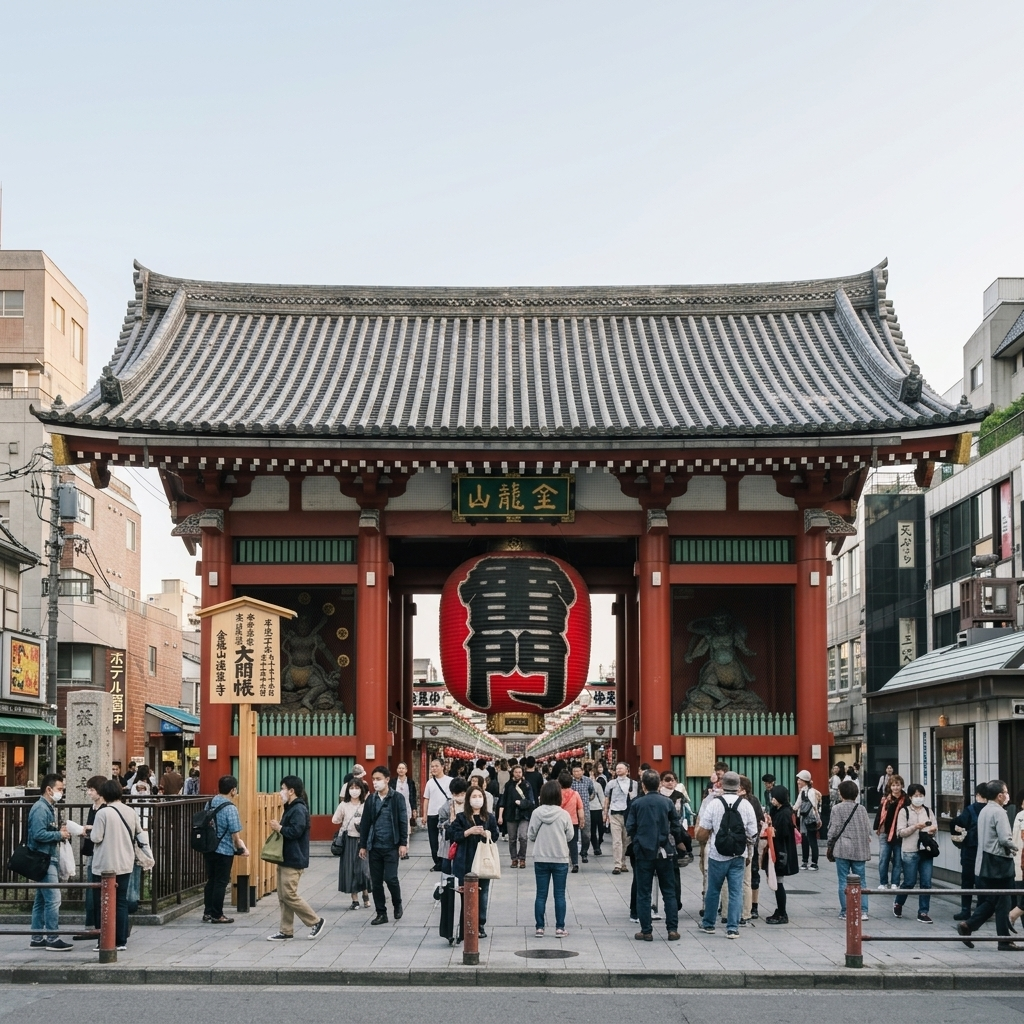
Senso-ji
- Praying to a hidden statue
- A gate donor shuns credit
In this story, you’ll discover
Chapter 1
A Statue Pulled from the River
The story begins on the Sumida, the river that still runs a few streets east of here. Early one morning in 628, the temple says, two brothers were fishing when they found a small statue of Kannon caught in their net. They brought it to the local headman. He recognised what it was, became a monk and turned his own house into a temple for it. That house is where Senso-ji began. Seventeen years later, a travelling monk stopped here and repaired the hall. One night, the temple says, Kannon appeared to him in a dream and told him that people must not look at the statue carelessly. So it was sealed inside a set of locked cases, one within another, and placed in an ornate cabinet at the heart of the main hall. It has stayed that way ever since. In Japan, a sacred image kept out of view like this is called a hibutsu, a hidden buddha. Hiding it is meant to protect its holiness. The statue is treated not as a work of art to be looked at but as a living presence, there whether anyone sees it or not. Many temples bring their hidden buddhas out every few years. Senso-ji never does. So the people at the main hall are praying to a statue they will never see. What they can see, for a short time each year, is a stand-in. At a ceremony on December the thirteenth, the cabinet doors are opened to show a second statue standing in front of the hidden one. For the rest of the year, the doors stay closed, and people pray toward them anyway.

A reflection for you
Senso-ji's statue had been hidden so long that people doubted it existed, until officials reportedly found a small, scorched figure inside. It did not need an impressive appearance to hold people's hopes. A small thing can carry enough meaning to move countless people.

 1×1×
BEHIND EVERY PLACE
The people the plaques leave out.
A plaque gives you a date and a name. Here, you get the person, and the ideas that shaped Tokyo come with the story.
Senso-ji
- Praying to a hidden statue
- A gate donor shuns credit
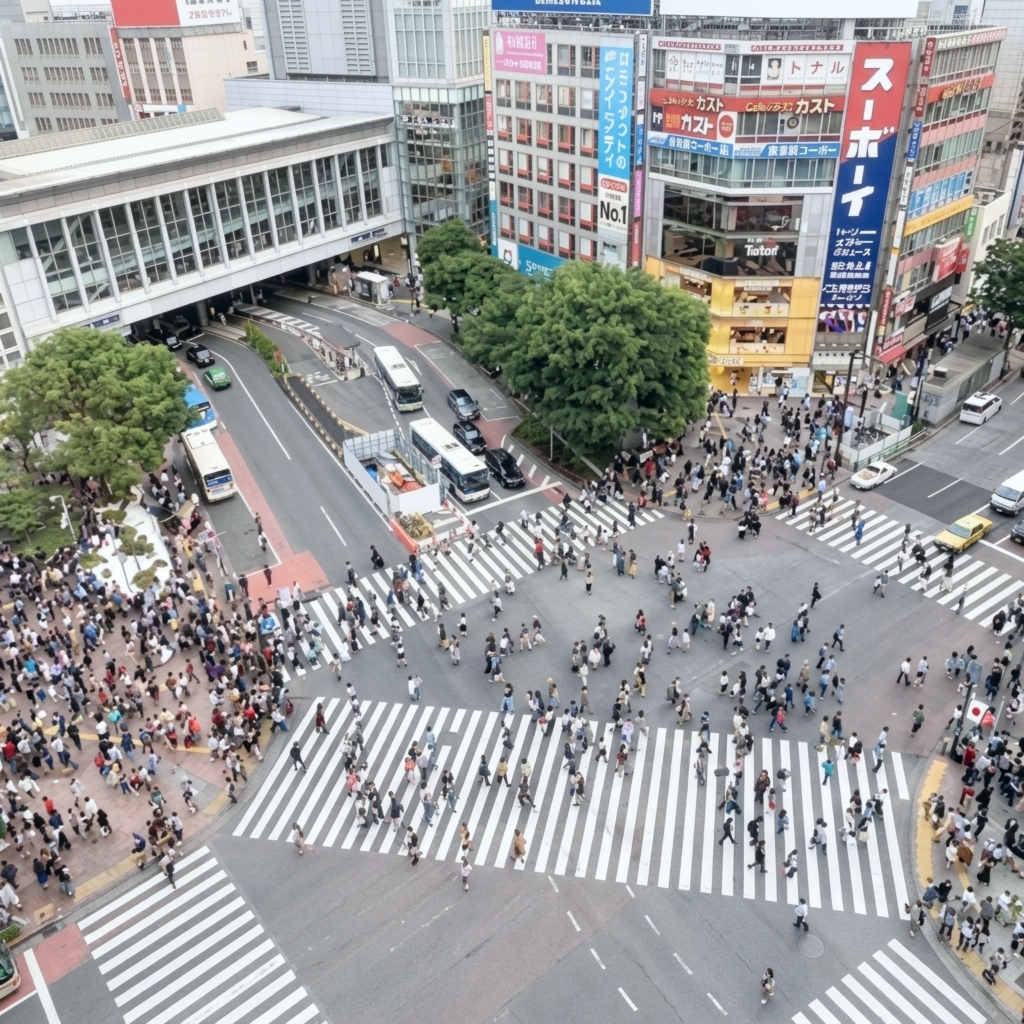
Shibuya Crossing
- A dog awaits a dead master
- An unregistered wife
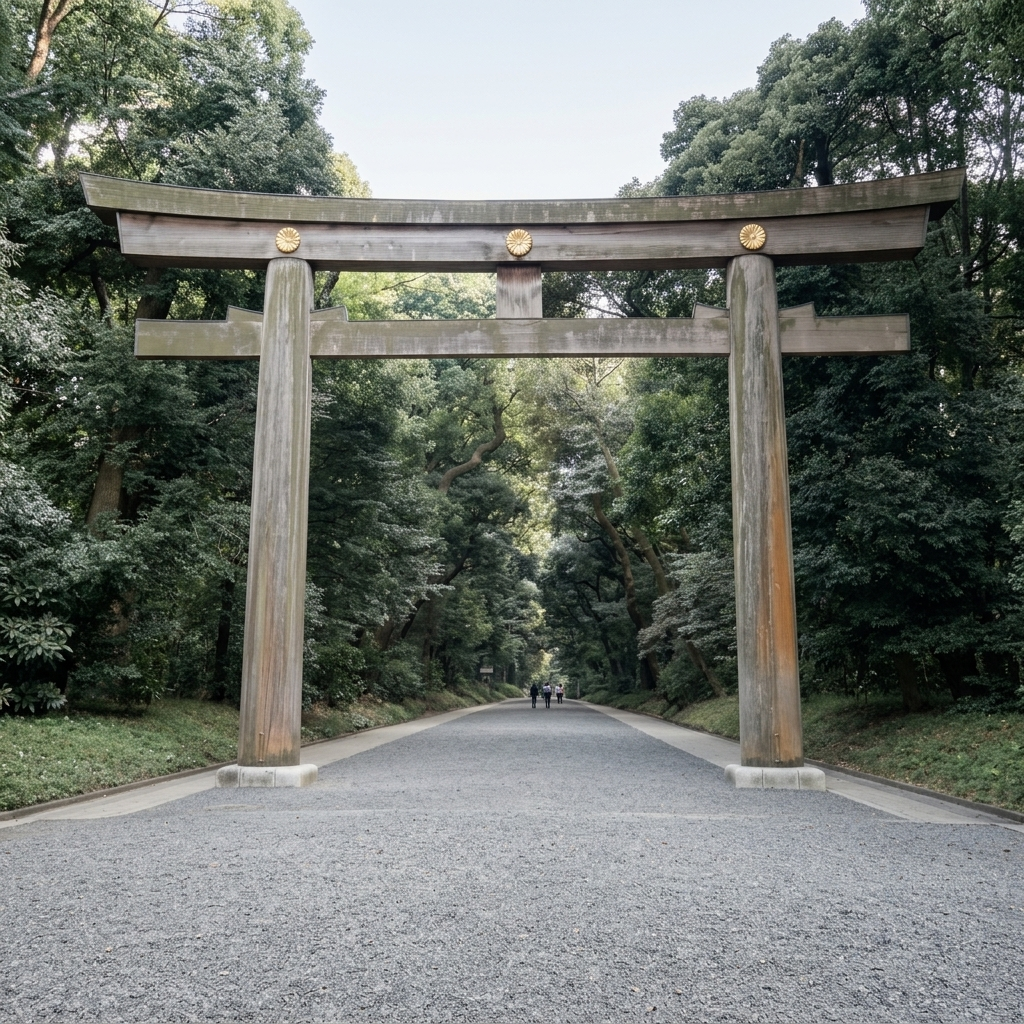
Meiji Jingu
- Persuading the premier against cedars
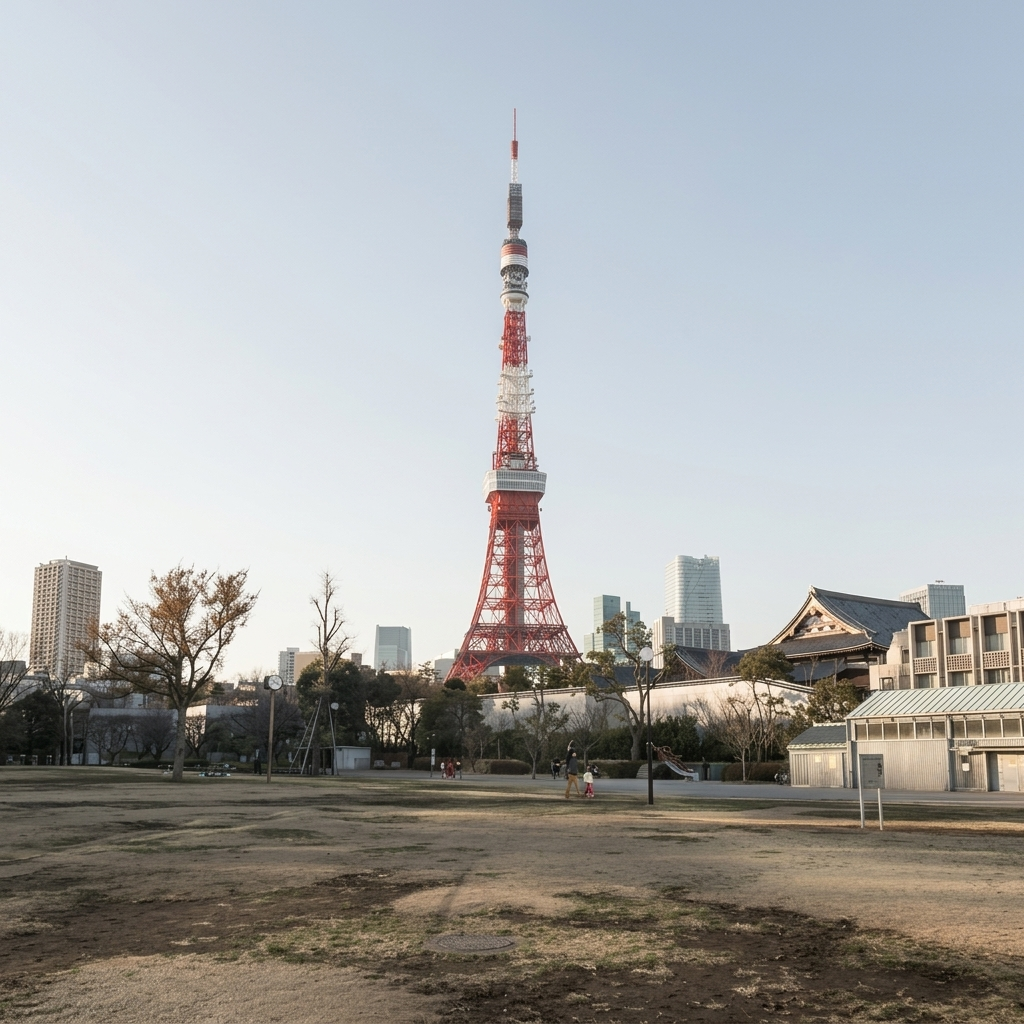
Tokyo Tower
- Rivet catchers without safety ropes
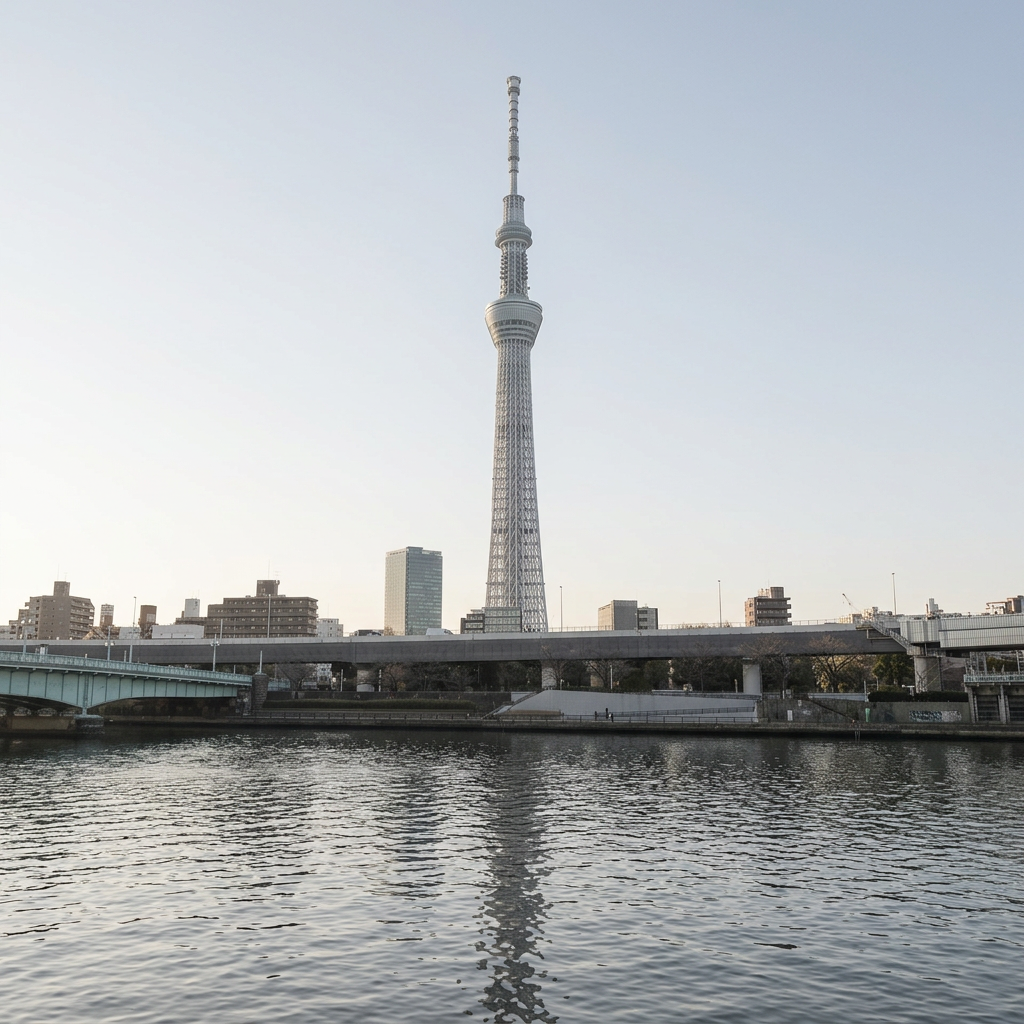
Tokyo Skytree
- Steeplejacks climb back through aftershocks
19 more places in Tokyo
Akihabara · Imperial Palace · Ueno Park · Harajuku · Shinjuku · Ginza · Tsukiji Outer Market · Odaiba · Zojo-ji · Yanaka Ginza · Nezu Shrine · Yasukuni Shrine · Sengaku-ji · Kanda Myojin · Nihonbashi Bridge · Hama-rikyu Gardens · Ryogoku Kokugikan (Sumo Hall) · Ameyoko · Yokoamicho Park
HOW IT WORKS
Walk near a place.
The story finds you.
Get a notification when you’re near a story place. Tap to listen.
Senso-ji
nowJust steps away.
Tap to hear the drama.

INSIDE EACH PLACE
From drama,
to idea,
to insight.
For example: the Senso-ji.
1. Hear the drama behind the place.
Senso-ji
- Praying to a hidden statue
- A gate donor shuns credit
In this story, you’ll discover
Chapter 1
A Statue Pulled from the River
The story begins on the Sumida, the river that still runs a few streets east of here. Early one morning in 628, the temple says, two brothers were fishing when they found a small statue of Kannon caught in their net. They brought it to the local headman. He recognised what it was, became a monk and turned his own house into a temple for it. That house is where Senso-ji began. Seventeen years later, a travelling monk stopped here and repaired the hall. One night, the temple says, Kannon appeared to him in a dream and told him that people must not look at the statue carelessly. So it was sealed inside a set of locked cases, one within another, and placed in an ornate cabinet at the heart of the main hall. It has stayed that way ever since. In Japan, a sacred image kept out of view like this is called a hibutsu, a hidden buddha. Hiding it is meant to protect its holiness. The statue is treated not as a work of art to be looked at but as a living presence, there whether anyone sees it or not. Many temples bring their hidden buddhas out every few years. Senso-ji never does. So the people at the main hall are praying to a statue they will never see. What they can see, for a short time each year, is a stand-in. At a ceremony on December the thirteenth, the cabinet doors are opened to show a second statue standing in front of the hidden one. For the rest of the year, the doors stay closed, and people pray toward them anyway.
A reflection for you
Senso-ji's statue had been hidden so long that people doubted it existed, until officials reportedly found a small, scorched figure inside. It did not need an impressive appearance to hold people's hopes. A small thing can carry enough meaning to move countless people.
1×2. Learn the ideas inside the story.
Senso-ji
- Praying to a hidden statue
- A gate donor shuns credit
In this story, you’ll discover
Chapter 1
A Statue Pulled from the River
The story begins on the Sumida, the river that still runs a few streets east of here. Early one morning in 628, the temple says, two brothers were fishing when they found a small statue of Kannon caught in their net. They brought it to the local headman. He recognised what it was, became a monk and turned his own house into a temple for it. That house is where Senso-ji began. Seventeen years later, a travelling monk stopped here and repaired the hall. One night, the temple says, Kannon appeared to him in a dream and told him that people must not look at the statue carelessly. So it was sealed inside a set of locked cases, one within another, and placed in an ornate cabinet at the heart of the main hall. It has stayed that way ever since. In Japan, a sacred image kept out of view like this is called a hibutsu, a hidden buddha. Hiding it is meant to protect its holiness. The statue is treated not as a work of art to be looked at but as a living presence, there whether anyone sees it or not. Many temples bring their hidden buddhas out every few years. Senso-ji never does. So the people at the main hall are praying to a statue they will never see. What they can see, for a short time each year, is a stand-in. At a ceremony on December the thirteenth, the cabinet doors are opened to show a second statue standing in front of the hidden one. For the rest of the year, the doors stay closed, and people pray toward them anyway.
A reflection for you
Senso-ji's statue had been hidden so long that people doubted it existed, until officials reportedly found a small, scorched figure inside. It did not need an impressive appearance to hold people's hopes. A small thing can carry enough meaning to move countless people.
1×3. Keep an insight that’s only yours.
Senso-ji
- Praying to a hidden statue
- A gate donor shuns credit
In this story, you’ll discover
Chapter 1
A Statue Pulled from the River
The story begins on the Sumida, the river that still runs a few streets east of here. Early one morning in 628, the temple says, two brothers were fishing when they found a small statue of Kannon caught in their net. They brought it to the local headman. He recognised what it was, became a monk and turned his own house into a temple for it. That house is where Senso-ji began. Seventeen years later, a travelling monk stopped here and repaired the hall. One night, the temple says, Kannon appeared to him in a dream and told him that people must not look at the statue carelessly. So it was sealed inside a set of locked cases, one within another, and placed in an ornate cabinet at the heart of the main hall. It has stayed that way ever since. In Japan, a sacred image kept out of view like this is called a hibutsu, a hidden buddha. Hiding it is meant to protect its holiness. The statue is treated not as a work of art to be looked at but as a living presence, there whether anyone sees it or not. Many temples bring their hidden buddhas out every few years. Senso-ji never does. So the people at the main hall are praying to a statue they will never see. What they can see, for a short time each year, is a stand-in. At a ceremony on December the thirteenth, the cabinet doors are opened to show a second statue standing in front of the hidden one. For the rest of the year, the doors stay closed, and people pray toward them anyway.
A reflection for you
Senso-ji's statue had been hidden so long that people doubted it existed, until officials reportedly found a small, scorched figure inside. It did not need an impressive appearance to hold people's hopes. A small thing can carry enough meaning to move countless people.
1×BEFORE YOU GO
FAQ
An audio guide gives you the facts: dates, names, what it was built for. Odys‑say tells you the drama: the people behind the place, what they wanted, and what it cost them. The ideas behind the city come with the story, and it ends with an insight that’s only yours.
The story first: who was here, what they were up against, and what they chose. Then, inside that story, one or two ideas that help you understand the city more deeply, from history and politics to art, religion, and philosophy.
Explore the city as you normally would. When you’re near one of Odys‑say’s story places, your phone can let you know. Tap the notification, and the story is ready to hear right where you are.
The drama stays the same. What changes is what comes at the end. Based on what you chose to reflect on, Odys‑say connects something from the story to a question or insight that feels relevant to you.
Your first story is included. If you want to keep exploring, you can unlock the whole city for $9.99. It’s a one-time purchase, not a subscription.
A deeper way
to travel
Tokyo
Human stories at every place,
and what they leave with you.
No subscription.
One-time city purchase.