
YOUR TRAVEL DOCENT
Travel deeper into Udaipur, through its human stories.
At each place,
- Drama and backstory
- History & ideas behind them
- Insight that’s only yours
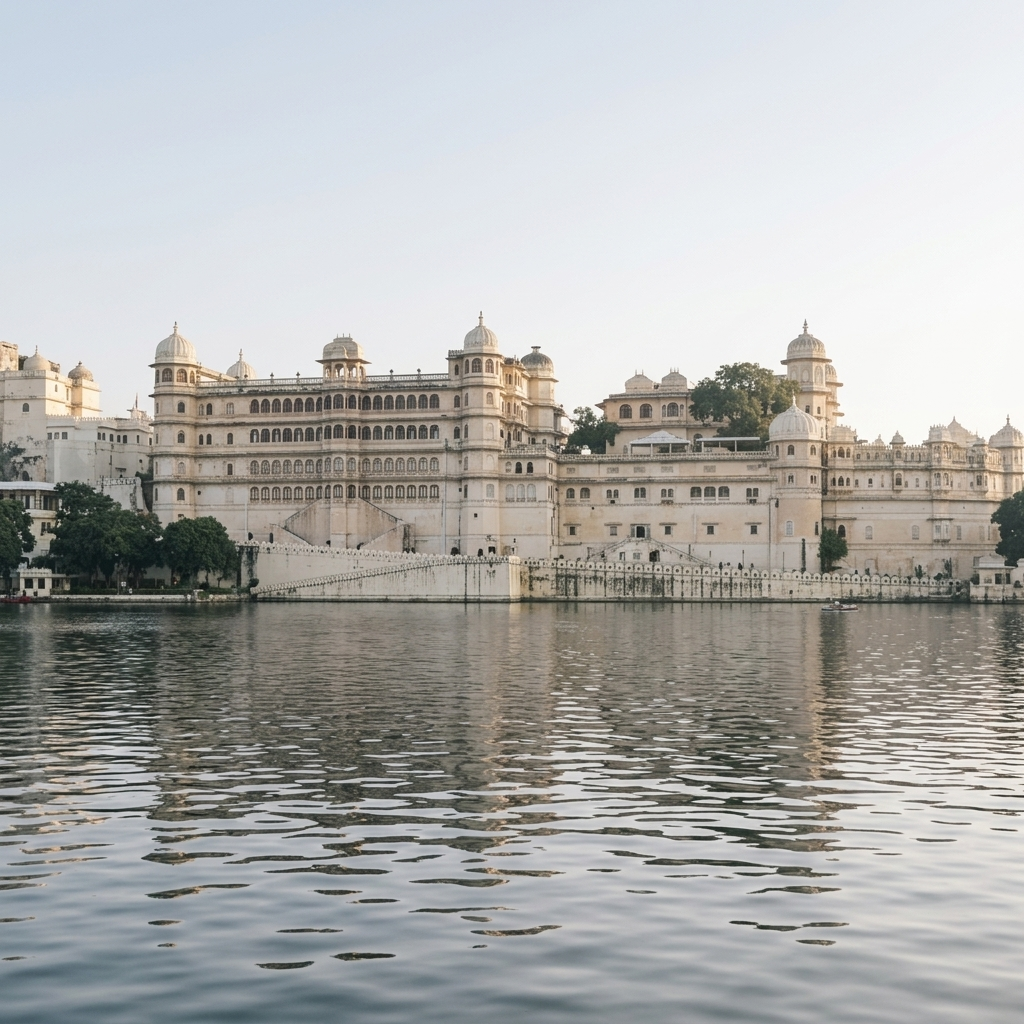
City Palace
- A princess poisoned for peace
In this story, you’ll discover
Chapter 1
A Capital Built in Retreat
For centuries the capital of Mewar was not here. It was Chittor, a fortress on a long hill more than a hundred kilometres to the east. In the 1500s the Mughal emperors were pushing their power across northern India, and Chittor lay right in their path. Maharana Udai Singh moved his court west into the Aravalli hills, to a valley ringed by ridges, and began building beside a lake. Then in 1568, after a four-month siege, Chittor fell to the emperor Akbar. The new town in the hills became the capital, and it took its founder's name: Udaipur, the city of Udai. So Udaipur began as a place to fall back to, and the loss of Chittor stayed at the centre of Mewar's memory. The spot for the palace has its own story. People say that Udai Singh met a hermit sitting by his fire on this ridge, and the hermit told him to build right here, promising that the place would keep his family safe. The first courtyard of the palace, Rai Angan, was built around the hermit's fire-pit, and a small shrine still marks it. When a new head of the royal family takes his place, he still comes to pray at that fire.

A reflection for you
According to most accounts, a commander demanded that Udaipur's princess marry his side's king or die. If neither happened, he would devastate the kingdom. Her family's account says she willingly drank poison to save her people. Among the decisions you call your own, which ones would have cost too much to refuse? What would have had to be different for you to say no?

 1×1×
BEHIND EVERY PLACE
The people the plaques leave out.
A plaque gives you a date and a name. Here, you get the person, and the ideas that shaped Udaipur come with the story.
City Palace
- A princess poisoned for peace
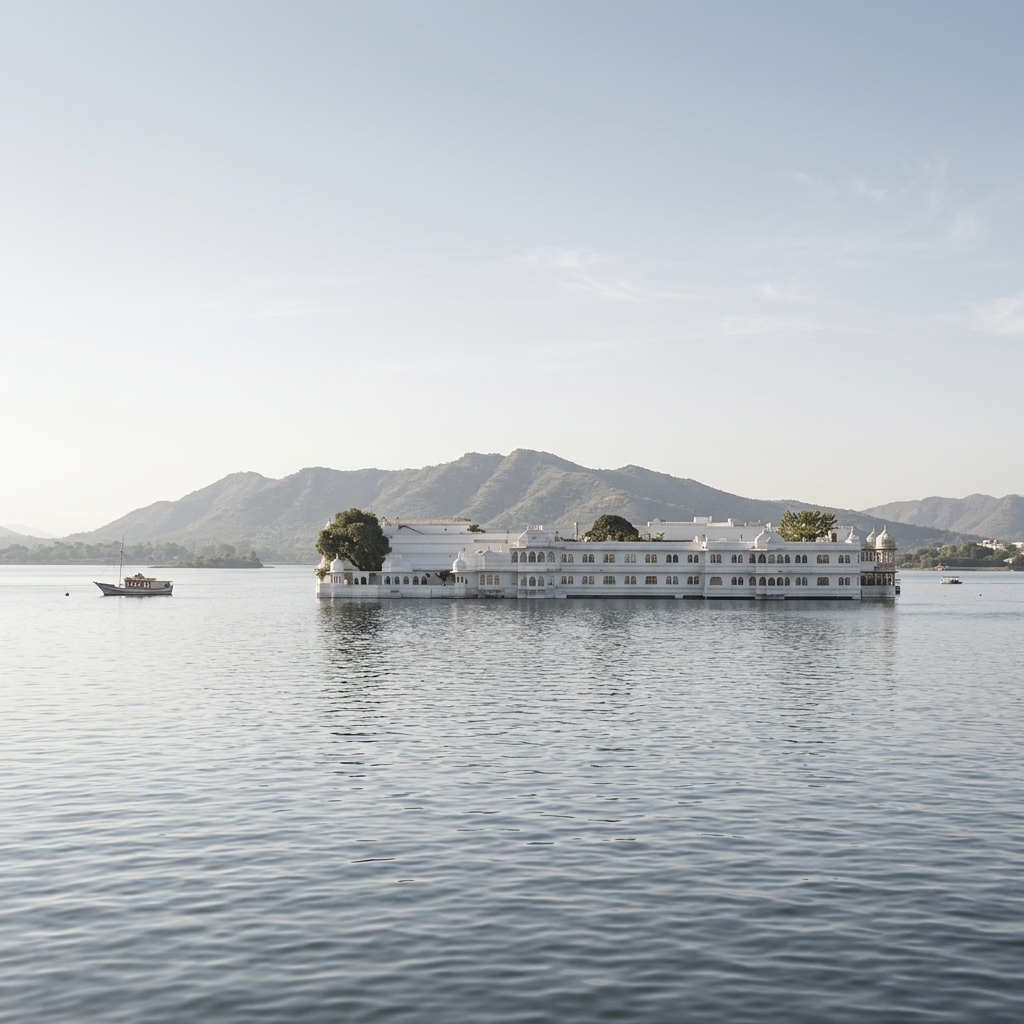
Lake Pichola
- A royal retreat turned hotel
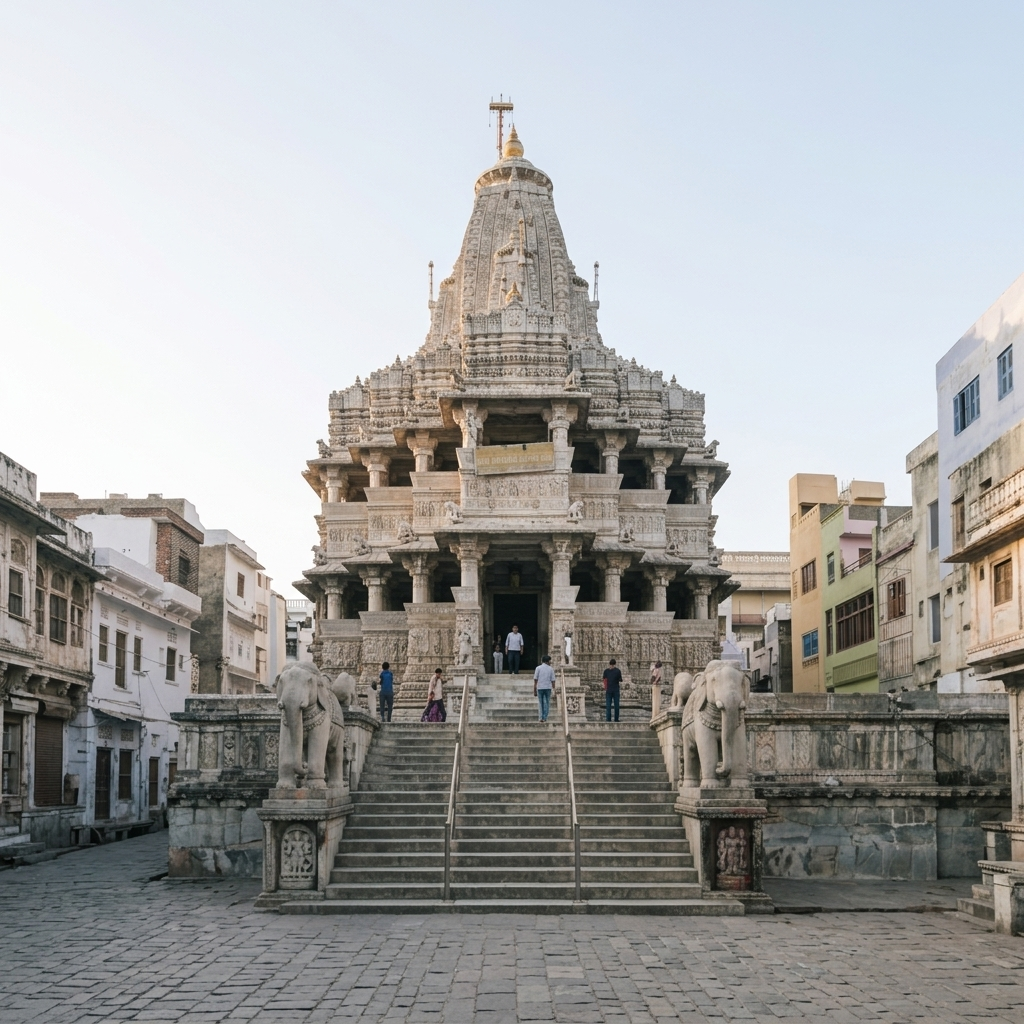
Jagdish Temple
- Twenty men's last stand
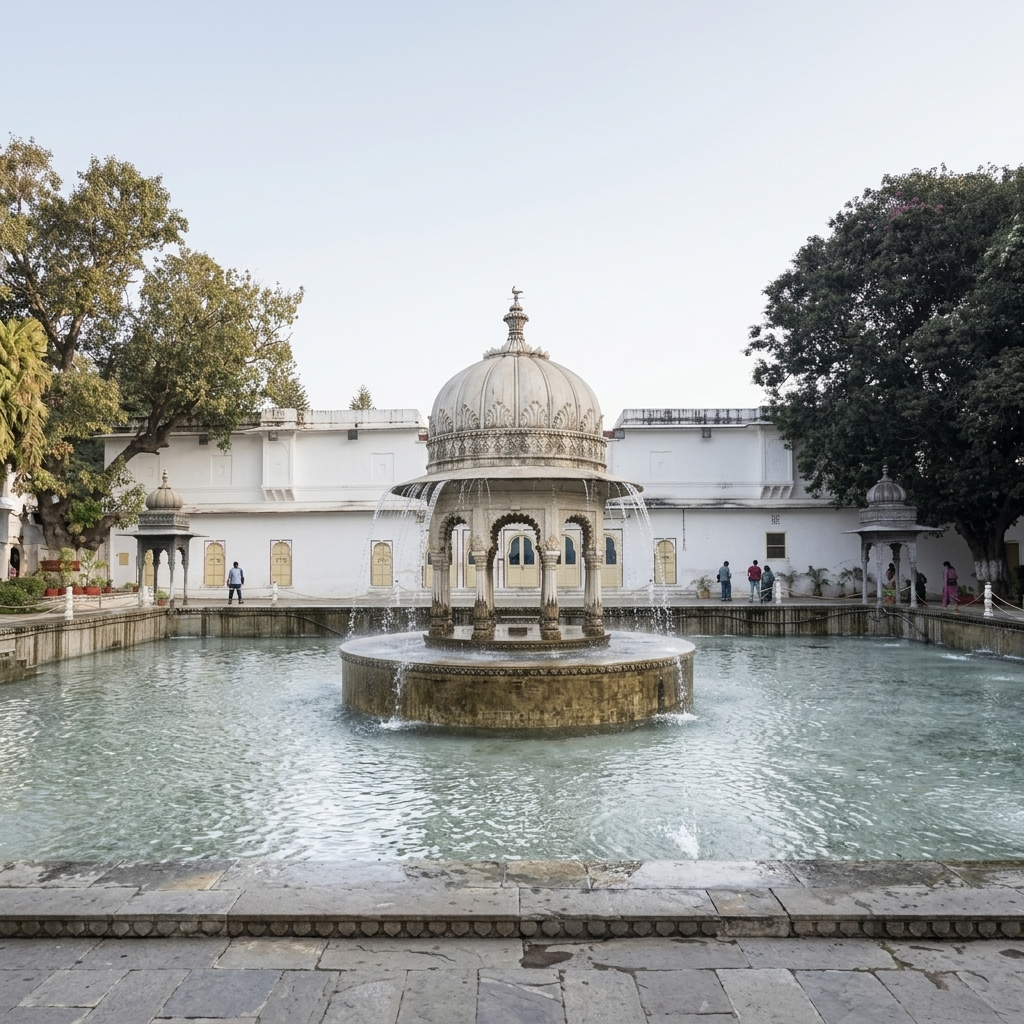
Saheliyon ki Bari
- A queen's women-only day
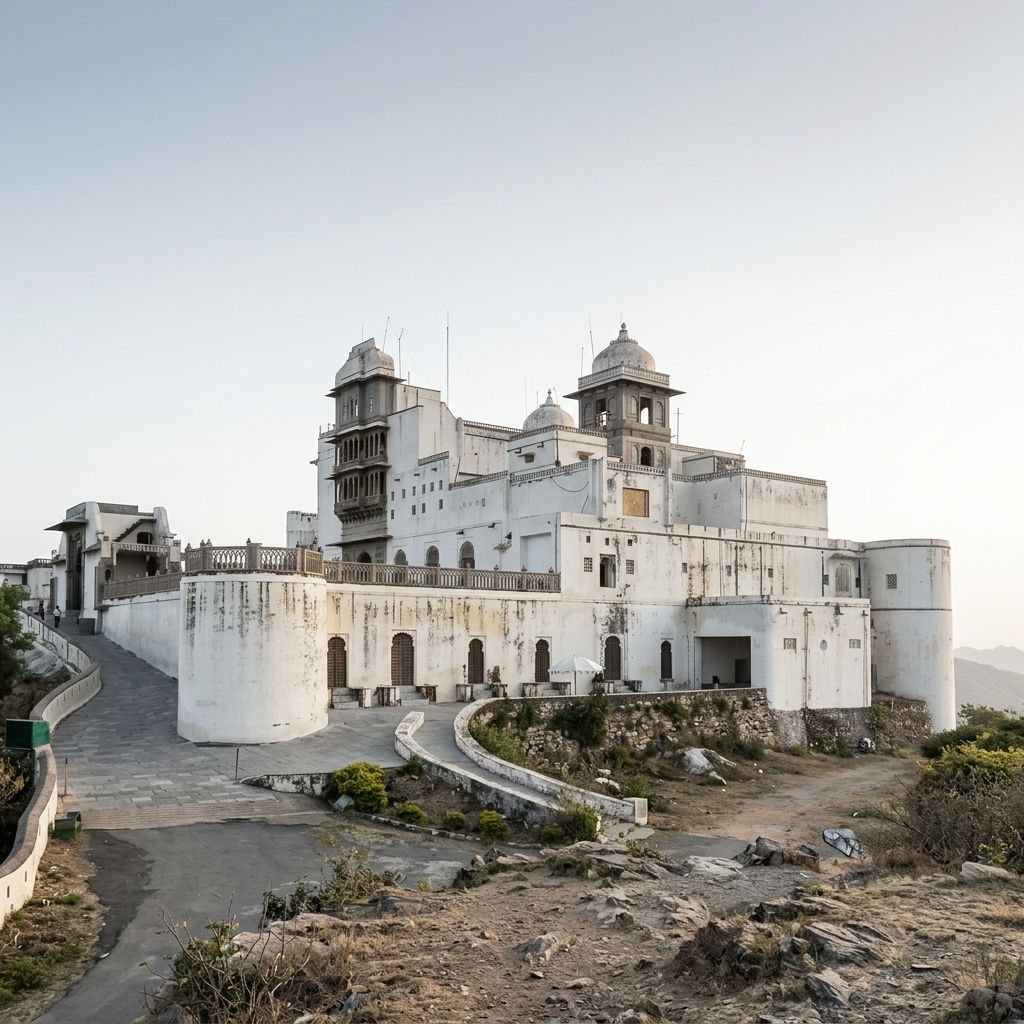
Sajjangarh (Monsoon Palace)
- A young king's unfinished palace
9 more places in Udaipur
Fateh Sagar Lake · Jag Mandir · Bagore Ki Haveli · Moti Magri (Maharana Pratap Memorial) · Eklingji Temple · Ahar Cenotaphs · Gulab Bagh · Bharatiya Lok Kala Mandal (Folk Art Museum) · Karni Mata Temple
HOW IT WORKS
Walk near a place.
The story finds you.
Get a notification when you’re near a story place. Tap to listen.
City Palace
nowJust steps away.
Tap to hear the drama.

INSIDE EACH PLACE
From drama,
to idea,
to insight.
For example: the City Palace.
1. Hear the drama behind the place.
City Palace
- A princess poisoned for peace
In this story, you’ll discover
Chapter 1
A Capital Built in Retreat
For centuries the capital of Mewar was not here. It was Chittor, a fortress on a long hill more than a hundred kilometres to the east. In the 1500s the Mughal emperors were pushing their power across northern India, and Chittor lay right in their path. Maharana Udai Singh moved his court west into the Aravalli hills, to a valley ringed by ridges, and began building beside a lake. Then in 1568, after a four-month siege, Chittor fell to the emperor Akbar. The new town in the hills became the capital, and it took its founder's name: Udaipur, the city of Udai. So Udaipur began as a place to fall back to, and the loss of Chittor stayed at the centre of Mewar's memory. The spot for the palace has its own story. People say that Udai Singh met a hermit sitting by his fire on this ridge, and the hermit told him to build right here, promising that the place would keep his family safe. The first courtyard of the palace, Rai Angan, was built around the hermit's fire-pit, and a small shrine still marks it. When a new head of the royal family takes his place, he still comes to pray at that fire.
A reflection for you
According to most accounts, a commander demanded that Udaipur's princess marry his side's king or die. If neither happened, he would devastate the kingdom. Her family's account says she willingly drank poison to save her people. Among the decisions you call your own, which ones would have cost too much to refuse? What would have had to be different for you to say no?
1×2. Learn the ideas inside the story.
City Palace
- A princess poisoned for peace
In this story, you’ll discover
Chapter 1
A Capital Built in Retreat
For centuries the capital of Mewar was not here. It was Chittor, a fortress on a long hill more than a hundred kilometres to the east. In the 1500s the Mughal emperors were pushing their power across northern India, and Chittor lay right in their path. Maharana Udai Singh moved his court west into the Aravalli hills, to a valley ringed by ridges, and began building beside a lake. Then in 1568, after a four-month siege, Chittor fell to the emperor Akbar. The new town in the hills became the capital, and it took its founder's name: Udaipur, the city of Udai. So Udaipur began as a place to fall back to, and the loss of Chittor stayed at the centre of Mewar's memory. The spot for the palace has its own story. People say that Udai Singh met a hermit sitting by his fire on this ridge, and the hermit told him to build right here, promising that the place would keep his family safe. The first courtyard of the palace, Rai Angan, was built around the hermit's fire-pit, and a small shrine still marks it. When a new head of the royal family takes his place, he still comes to pray at that fire.
A reflection for you
According to most accounts, a commander demanded that Udaipur's princess marry his side's king or die. If neither happened, he would devastate the kingdom. Her family's account says she willingly drank poison to save her people. Among the decisions you call your own, which ones would have cost too much to refuse? What would have had to be different for you to say no?
1×3. Keep an insight that’s only yours.
City Palace
- A princess poisoned for peace
In this story, you’ll discover
Chapter 1
A Capital Built in Retreat
For centuries the capital of Mewar was not here. It was Chittor, a fortress on a long hill more than a hundred kilometres to the east. In the 1500s the Mughal emperors were pushing their power across northern India, and Chittor lay right in their path. Maharana Udai Singh moved his court west into the Aravalli hills, to a valley ringed by ridges, and began building beside a lake. Then in 1568, after a four-month siege, Chittor fell to the emperor Akbar. The new town in the hills became the capital, and it took its founder's name: Udaipur, the city of Udai. So Udaipur began as a place to fall back to, and the loss of Chittor stayed at the centre of Mewar's memory. The spot for the palace has its own story. People say that Udai Singh met a hermit sitting by his fire on this ridge, and the hermit told him to build right here, promising that the place would keep his family safe. The first courtyard of the palace, Rai Angan, was built around the hermit's fire-pit, and a small shrine still marks it. When a new head of the royal family takes his place, he still comes to pray at that fire.
A reflection for you
According to most accounts, a commander demanded that Udaipur's princess marry his side's king or die. If neither happened, he would devastate the kingdom. Her family's account says she willingly drank poison to save her people. Among the decisions you call your own, which ones would have cost too much to refuse? What would have had to be different for you to say no?
1×BEFORE YOU GO
FAQ
An audio guide gives you the facts: dates, names, what it was built for. Odys‑say tells you the drama: the people behind the place, what they wanted, and what it cost them. The ideas behind the city come with the story, and it ends with an insight that’s only yours.
The story first: who was here, what they were up against, and what they chose. Then, inside that story, one or two ideas that help you understand the city more deeply, from history and politics to art, religion, and philosophy.
Explore the city as you normally would. When you’re near one of Odys‑say’s story places, your phone can let you know. Tap the notification, and the story is ready to hear right where you are.
The drama stays the same. What changes is what comes at the end. Based on what you chose to reflect on, Odys‑say connects something from the story to a question or insight that feels relevant to you.
Your first story is included. If you want to keep exploring, you can unlock the whole city for $9.99. It’s a one-time purchase, not a subscription.
A deeper way
to travel
Udaipur
Human stories at every place,
and what they leave with you.
No subscription.
One-time city purchase.